
We wish there was a simple, one-size-fits-all answer to "which oil is the healthiest?" but dietitians remind us it’s more nuanced. Experts emphasize that the fatty acid profile of the oil, how you use it, and the cooking temperature are what really count. One thing is clear: most plant-based oils are a better choice than animal fats.
The Basics: Not All Fats Are Created Equal
Experts highlight that the key difference lies in the type of fat. Unsaturated fats—especially monounsaturated and polyunsaturated fatty acids—support heart health, while saturated fats in larger amounts may raise "bad" (LDL) cholesterol.
That’s why oils that are liquid at room temperature—like olive, avocado, or canola oil—are generally considered healthier.
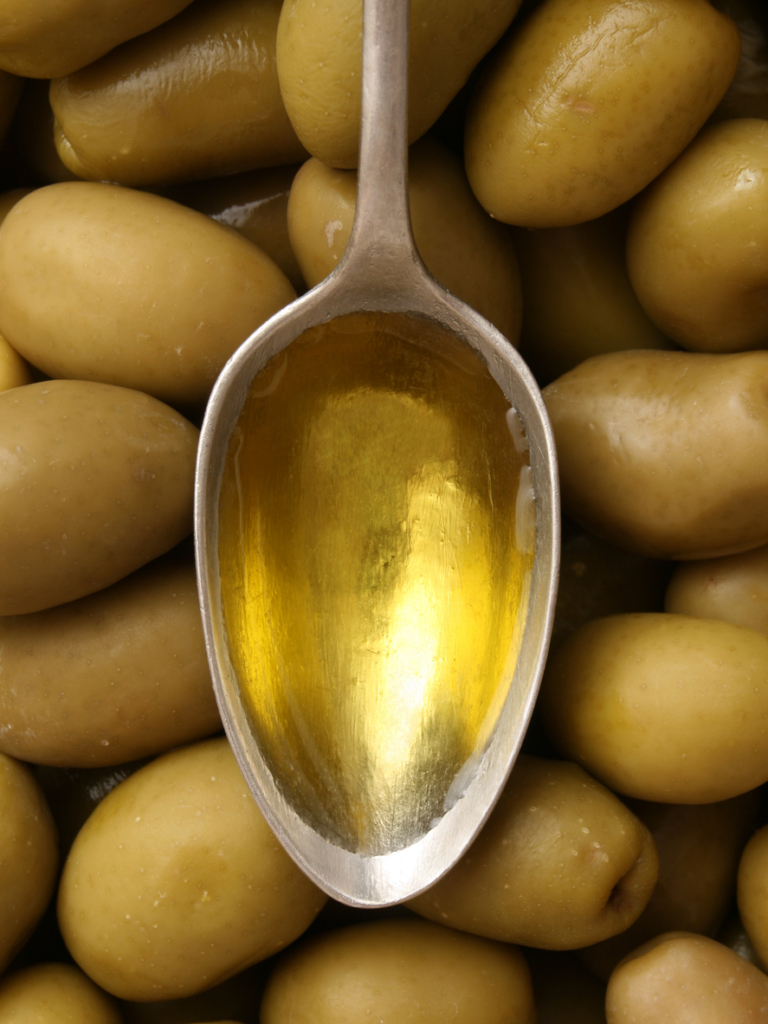
Olive Oil: The Gold Standard
Dietitians almost unanimously recommend extra virgin olive oil as one of the healthiest choices. It’s rich in monounsaturated fats and antioxidants that can reduce inflammation, support cardiovascular health, and help regulate cholesterol levels.
It’s also versatile: perfect for salads, sautéing, or light cooking. While its smoke point is moderate, research shows it remains stable in most everyday kitchen uses.
Avocado Oil: Ideal for High-Heat Cooking
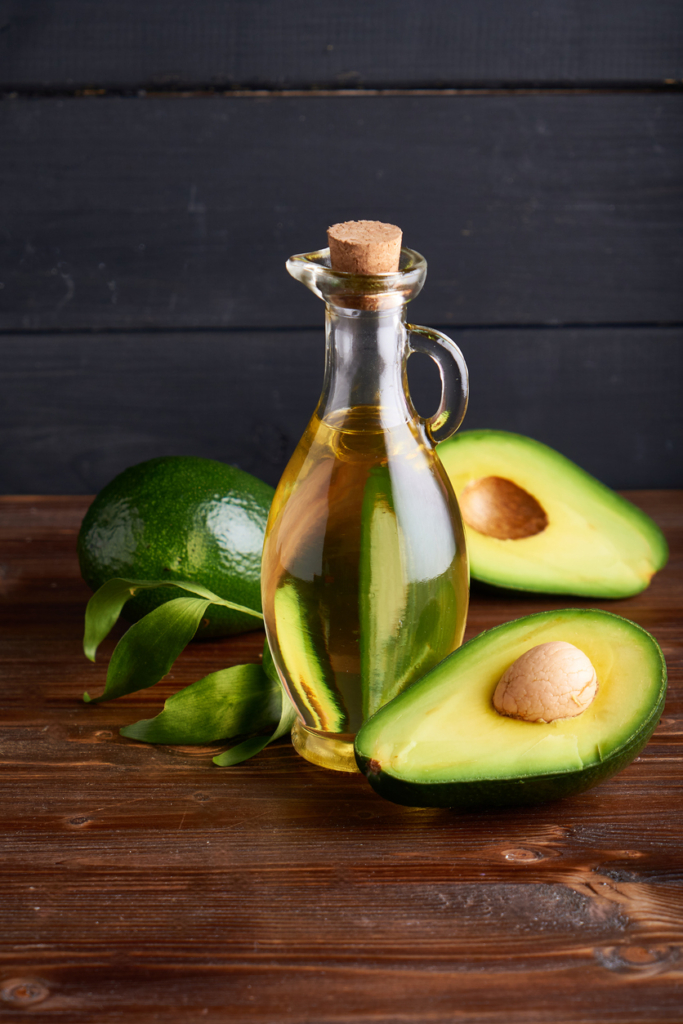
If you often fry or sauté at high temperatures, avocado oil is a top pick. It has a very high smoke point (over 500 °F/260 °C), so it doesn’t break down easily. Plus, its fatty acid profile is similar to olive oil’s.
Its mild flavor means it won’t overpower your dishes.
Canola Oil: Practical and Affordable
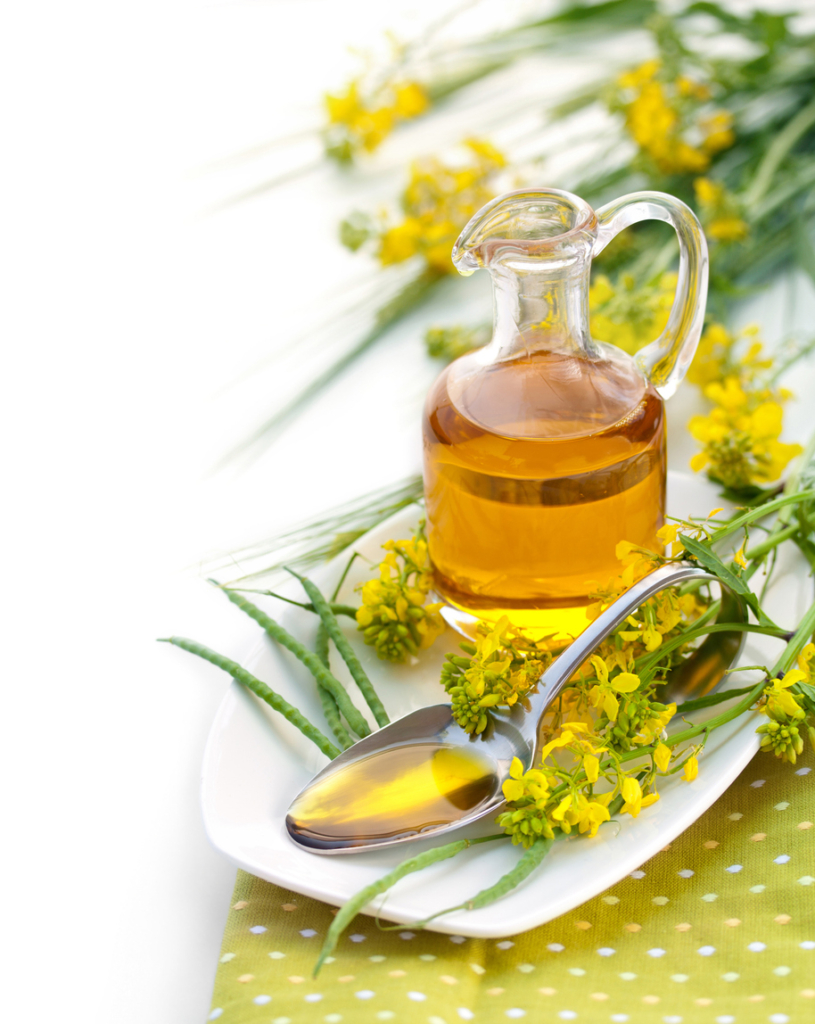
Canola oil often gets overlooked but is a solid choice from a nutrition standpoint. It’s low in saturated fat and has a favorable balance of omega-3 and omega-6 fatty acids.
Its neutral flavor makes it great for frying, cooking, and baking. It’s one of the best all-around oils when you consider value for money.
Sesame Oil and Other Flavored Oils
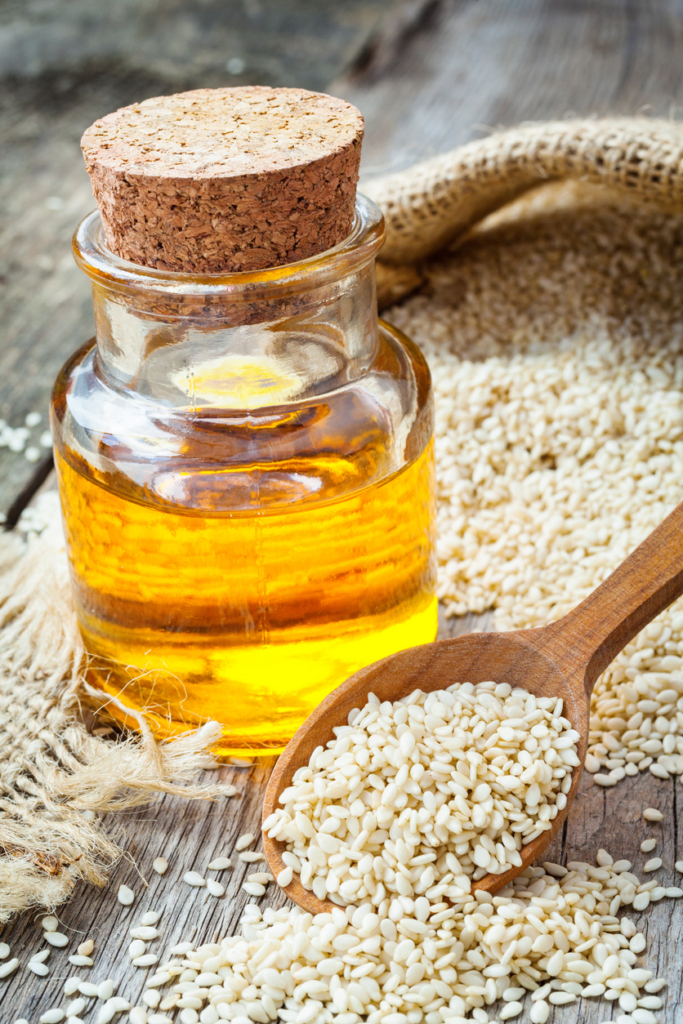
Sesame oil not only adds flavor but also contains antioxidants and holds up fairly well to heat.
These oils usually play a supporting role: they’re not everyday cooking oils but great for adding flavor.
Not Every "Healthy" Oil Is Good for Cooking
Some oils are nutrient-rich but not suitable for heat. For example, flaxseed oil is an excellent omega-3 source but has a low smoke point, so it’s best enjoyed cold.
This shows it’s not enough to just look at how "healthy" an oil is—you also need to consider how you use it.
Why Smoke Point Matters
One of the most important factors when cooking is the oil’s smoke point: the temperature at which it breaks down and harmful compounds can form.
For high-heat cooking like frying, choose oils that handle heat well. For lower heat or cold use, you can enjoy more delicate, nutrient-rich oils.
Which Oil Should I Choose for Health?
Dietitians agree there’s no single "perfect" oil. Extra virgin olive oil is the best all-around choice, while avocado oil is ideal for high heat, and canola oil is a practical everyday option.
The key takeaway: don’t rely on just one oil—make mindful choices. Using the right oil for your dish and cooking method is a simple step toward better health.