
“Everyone knows I tend to stretch the truth a bit, but who doesn’t like to add a little color to reality?” — a friend once confessed during a cozy evening chat. I just laughed because I knew they did it to bring some sparkle to everyday life...
Why Do Some People Like to Twist the Truth?
Many people tend to fib for various reasons. Some want to impress those around them, while others do it to avoid conflict. Our psyche reveals itself even in the smallest things, and a little distortion often uncovers deeper emotional or psychological roots.
If someone regularly exaggerates, they might be struggling with inner insecurity.
They try to create an image of themselves that they believe is more lovable or respected in society. This isn’t uncommon, as modern life’s pressures often stir anxiety or dissatisfaction with ourselves.

Low Self-Confidence and White Lies
Lack of self-confidence often leads to exaggerating or twisting the truth. People like this tend to mask unknown or painful past experiences. Their fibs act as a safety net, allowing them to temporarily hide their true selves.
Another friend, who often boasted about fictional adventures, eventually admitted they did it because they felt overlooked as a child. Their story shows how deeply rooted the urge to exaggerate can be in someone’s life.
Social Status and Exaggerations
Sometimes people distort the truth to boost their social standing. Sharing a captivating story or surprising “fact” can grab attention and earn admiration. While this might work short-term, these fibs can slowly erode a person’s credibility.
Remember, social status is often fleeting, and a little exaggeration can backfire in the long run if the truth comes out. This can affect self-esteem, so it’s worth weighing if bending the facts is really worth it.
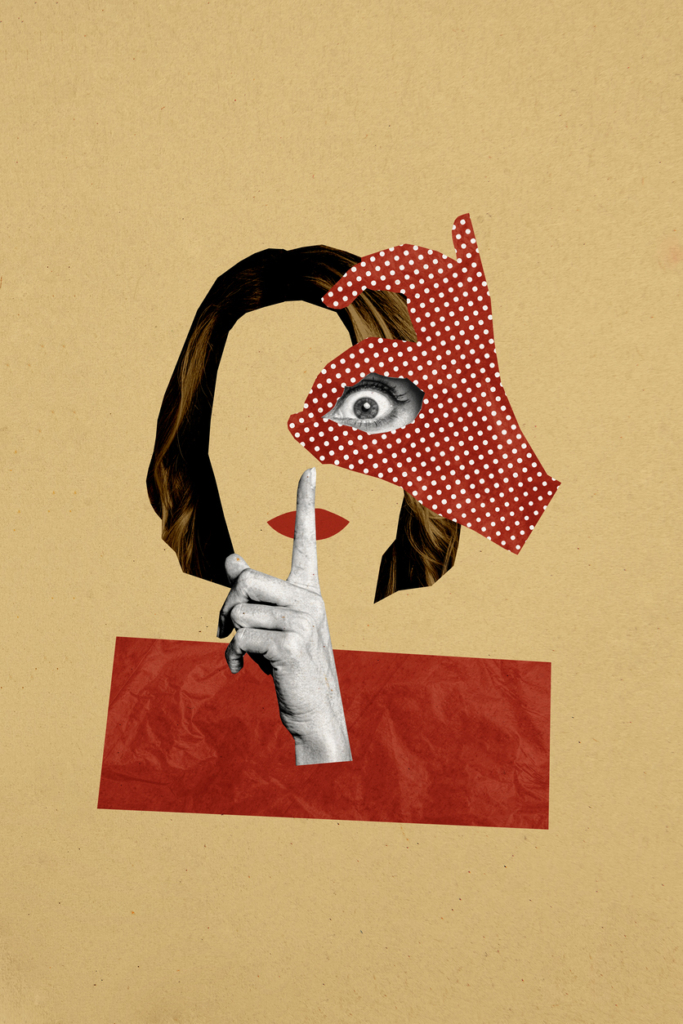
Twisted Truths and Close Relationships
White lies might satisfy temporary desires, but they can damage personal relationships over time.
If someone regularly distorts the truth, they’ll eventually lose others’ trust. And once trust is broken, it’s hard to rebuild.
So, let’s aim to be honest with our loved ones and friends. Acceptance means real connection and opens the door for growth and support together.
What Can Help?
The first step to stopping fibs is to recognize this tendency in ourselves. Reflect on what drives this behavior and try replacing it with genuine, positive self-worth. Reading personal development books or seeking professional guidance can help us better understand our self-esteem and motivations.