In today’s world, more and more people wonder why and how the age at which girls start their periods is changing. The fact that this new chapter in girls’ lives begins at younger ages worries many parents. This biological shift results from a mix of factors, including environmental and genetic influences. So, what’s really behind it?
How Environment Shapes Early Periods
Over recent decades, our diets and lifestyles have changed dramatically—especially in developed countries. Kids today spend more time with screens, get less exercise, and often eat processed foods. Chemicals in these industrially made foods, like certain preservatives and colorings, can affect the body and may trigger early hormonal activity.
Another big factor is obesity, which can speed up puberty. Studies show that higher body weight is linked to earlier periods. Fat tissue produces hormones that influence when puberty starts. As a result, it’s becoming more common for girls to have their first period as early as 8 or 9 years old—much younger than in the past.
Genetics and Family History Matter
Genetics also play a key role in when periods begin. Often, the age at which mothers and grandmothers started menstruating can predict when the next generation will too. But it’s not just genes—similar environmental factors within families can also influence this delicate balance.
The Power of Psychosocial Environment
The social and economic environment during childhood can also impact early puberty. Girls growing up in stressful or unstable settings are more likely to show early signs of puberty. Emotional and mental stress can disrupt the body’s natural hormone balance, speeding up development.
It’s crucial for parents to provide emotional and mental stability—a supportive space where kids can grow confidently. A calm and balanced environment helps children develop healthily, allowing puberty to unfold naturally.
Why Open Conversations Matter
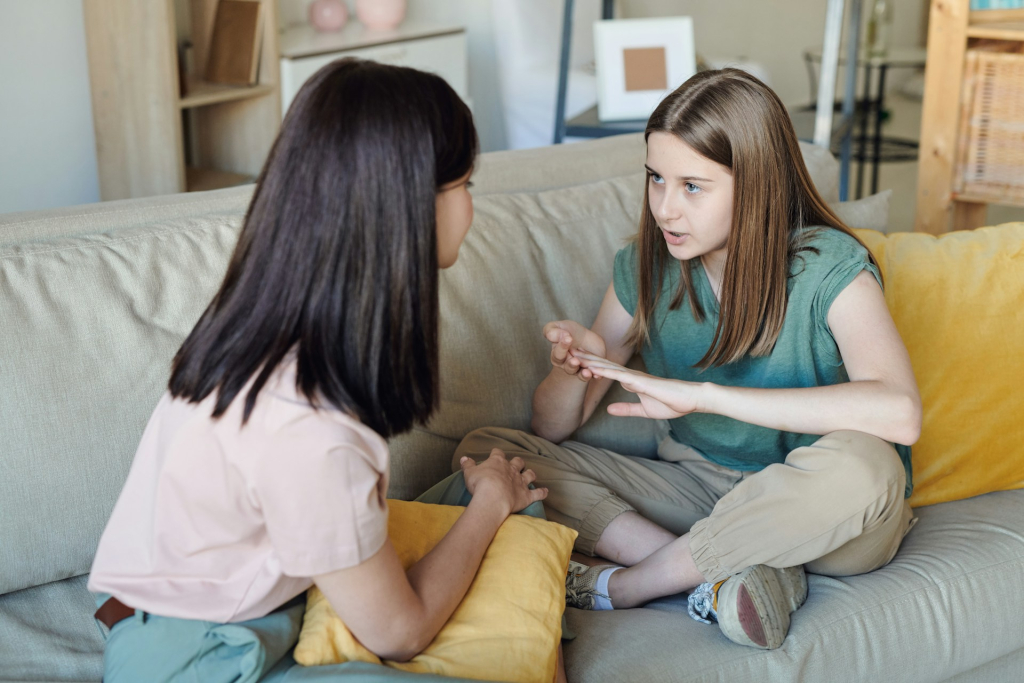
Like in many areas of life, sharing the right information is key to healthy development. Breaking taboos around menstruation, understanding how the female body works, and encouraging open talks help young girls face their first period with confidence. Unfortunately, many families still lack this openness, leaving girls feeling embarrassed or unsure.
Parents and schools both play vital roles in education. Providing clear info not only about biology but also the emotional and social changes helps young people build healthy self-esteem and a positive body image.
Looking Ahead
Trends toward earlier periods and puberty show this topic needs ongoing attention. Researchers, healthcare pros, and parents all face this new challenge together.
In our fast-changing world, it’s more important than ever to prepare young people for the challenges their bodies and society will bring. This is how they grow into strong, independent, and confident adults who embrace their femininity.