How Emotional Bonds Develop
A child’s emotional bond starts forming very early on. Attachment theory tells us that the relationship with the primary caregiver shapes how a child connects with others later. Which parent becomes the child’s emotional anchor often depends on who spends the most time with them and who responds most sensitively to their needs.
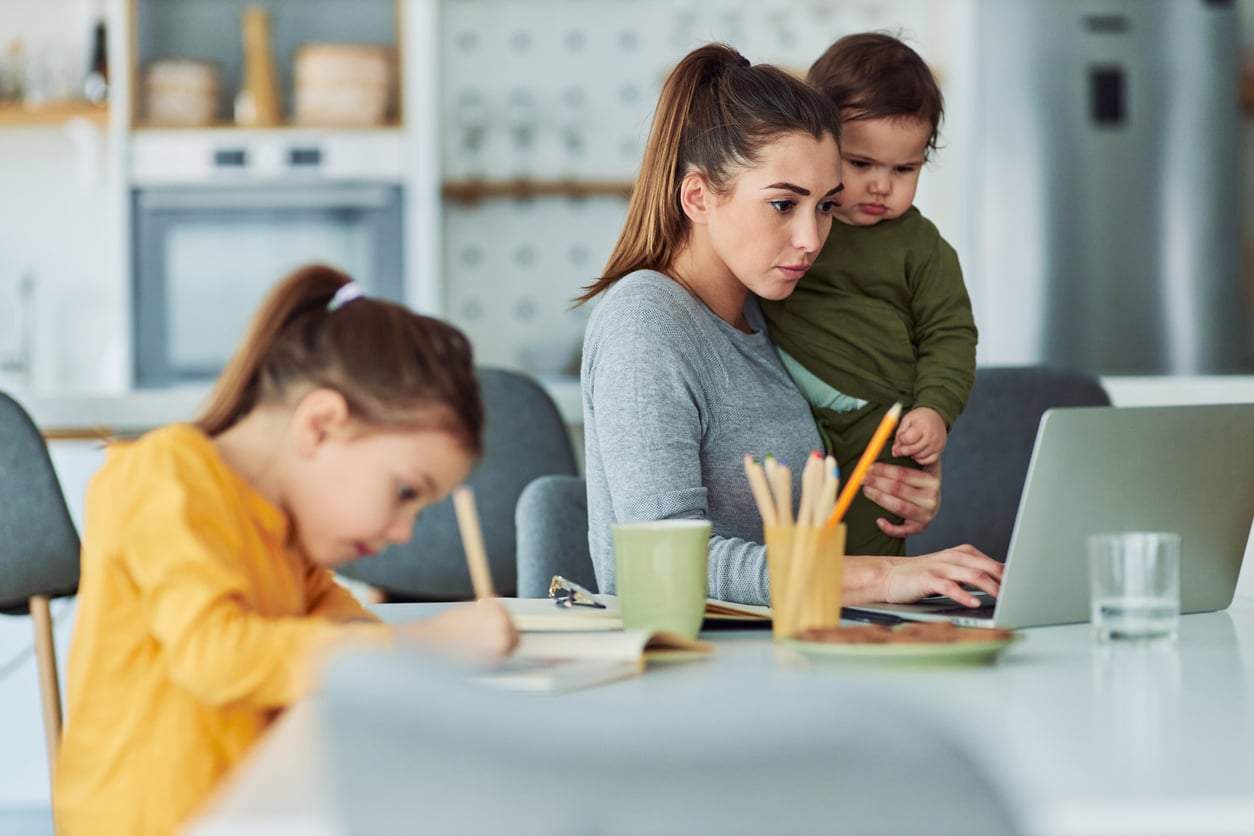
For example, if mom is home with the child most of the day, a stronger bond is more likely to develop between them. The mother-child relationship traditionally rests on deep emotional roots, but this doesn’t mean dads play a lesser role in their child’s life.
Parental Attitudes and Traits
The parents’ personalities and ways of connecting also shape the child’s feelings. Some parents are calm and attentive, while others are a bit stricter and more structured. Naturally, a child gravitates toward those who meet their emotional and security needs more quickly and positively.
Empathetic, understanding parents respond sensitively to their child’s feelings, while children tend to keep a more reserved connection with parents who struggle to express emotions.

Shared Interests and Activities
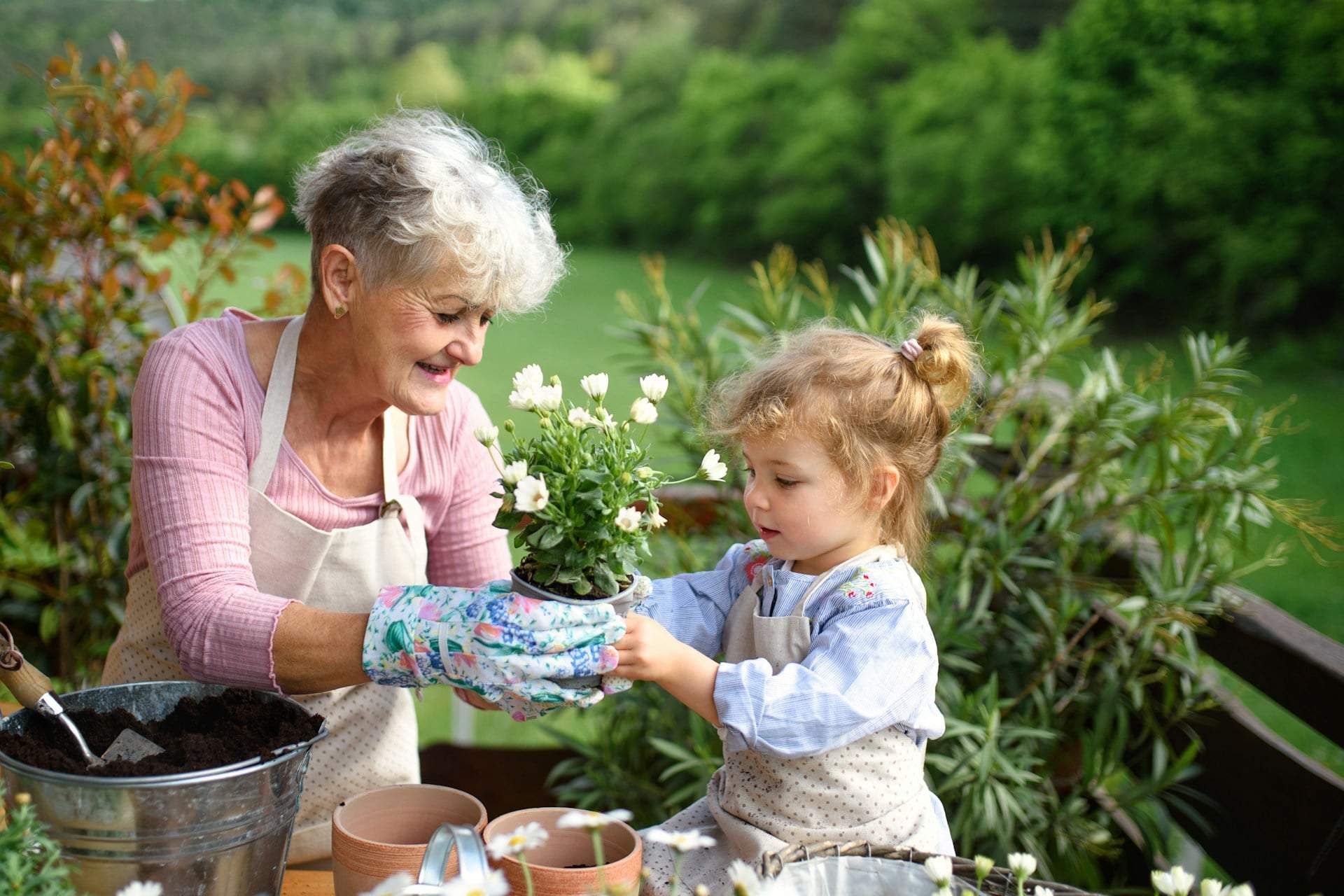
Often, the bond is stronger with the parent who shares similar interests, since they spend more time together doing activities. This could be sports, art, or just playing. These shared moments build closer emotional ties, deepening the child’s attachment.
For instance, if a dad spends much of his free time building or crafting with his child, and the child enjoys these activities, their bond naturally grows stronger.
The Child’s Age and Developmental Stages
As children grow, their attachment patterns can shift. What feels like an essential emotional bond with one parent at age four might change by adolescence. With expanding interests and social circles, other adults, role models, and friends become important.
Adolescence often marks a time when a once very close child starts becoming more independent, and their social connections grow stronger. This doesn’t mean the parent-child relationship weakens—just that the emotional focus shifts.
The Role of Social and Cultural Influences
Social expectations and cultural background also play a big role in how a child bonds with a parent. In some families, traditional male and female roles shape emotional connections. These roles can influence which parent a child feels closer to.
Modern social norms are gradually moving away from rigid roles, allowing both parents to share child-rearing equally. This can lead to more balanced, harmonious family relationships over time.