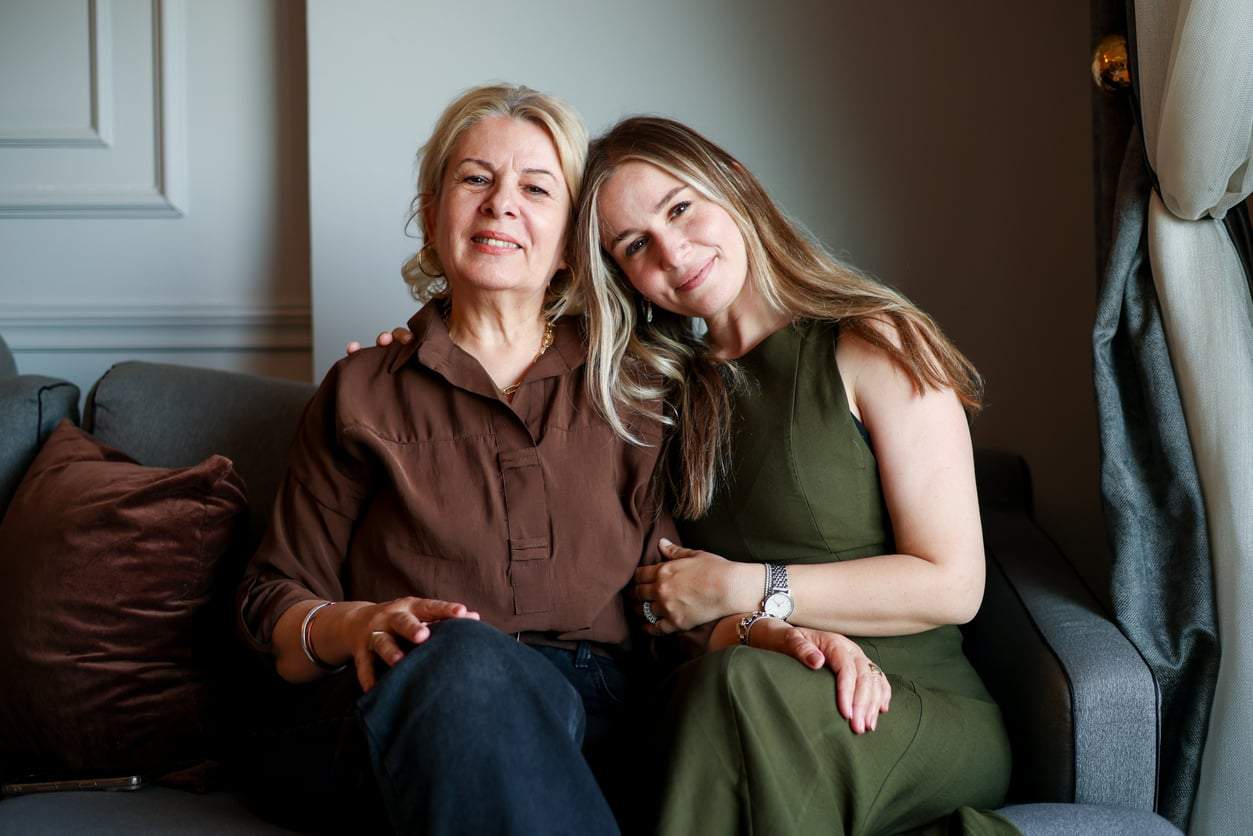
There's a quiet kind of grief that comes with growing distant from your parents — no dramatic falling out, no single moment you can point to. Just a slow drift that one day becomes impossible to ignore. If you've felt that distance widening, you're far from alone. Estrangement between adult children and their parents is one of the most emotionally complex experiences of modern family life, and it rarely has a simple explanation.
The psychological roots of estrangement
At the heart of most parent-child estrangement is something deeply human: the need for independence. As children grow into adults, they naturally seek to define themselves on their own terms — their own values, their own choices, their own lives.
When parents continue to relate to their adult children through the lens of childhood roles, tension is almost inevitable. Young adults want to be seen as who they are now, not who they were at twelve.
Constant parental interference — however well-intentioned — can quietly erode the relationship. What feels like love and concern from one side can feel like control and dismissal from the other.
Differences in values and worldview also play a significant role. As people grow, they sometimes develop beliefs, identities, and priorities that diverge sharply from those they were raised with. When those differences aren't met with curiosity or respect, they become fault lines.
Old wounds and the generational divide
Few forces pull families apart as reliably as the gap between generations. The world changes fast — culturally, technologically, socially — and those changes can make it genuinely hard for parents and adult children to feel like they understand each other's lives.
Adult children often struggle with the feeling that their parents simply don't get it: their pressures, their choices, their emotional needs. And parents, for their part, may feel shut out without understanding why.
Unresolved pain from the past — old misunderstandings, dismissed feelings, or more serious harm — leaves marks that don't fade just because time has passed. Processing those wounds becomes even harder when the person who caused them is still in the picture.
Emotional injuries that were never acknowledged or addressed have a way of quietly shaping every interaction that follows. Many people don't fully realize how much the past is still running in the background of their present relationship with their parents.
Distance, new lives, and shifting priorities
Physical distance accelerates what emotional distance has already begun. Moving to a different city or country for work, study, or a relationship reshapes daily life in ways that inevitably affect family contact. New routines take hold. New people become central. The cadence of family calls and visits slows, and the gap widens almost without anyone noticing.
This isn't necessarily a failure — it's often a natural consequence of building an independent life. But it does require intention to counteract. Without conscious effort, proximity to friends and partners tends to crowd out family relationships that once felt effortless.
The desire for autonomy is healthy and necessary. But when it tips into complete disconnection, the distance can become surprisingly hard to reverse.
Can the relationship be rebuilt?
Estrangement doesn't have to be permanent — but rebuilding requires honesty, patience, and often a willingness to sit with discomfort on both sides. The first step is usually the hardest: opening a line of communication that has long been closed.
Finding the right balance between staying connected with parents and protecting your own emotional freedom is not a one-time decision. It's something that needs to be renegotiated as life changes.
Many people find that shifting the focus away from old grievances — and toward shared strengths and future possibilities — creates space for something new to grow. That doesn't mean pretending the past didn't happen. It means choosing, deliberately, not to let it define everything that comes next.
With time, mutual respect, and genuine effort, it is possible to build a relationship with your parents that feels like a choice rather than an obligation — one where time spent together is a source of warmth, not stress.