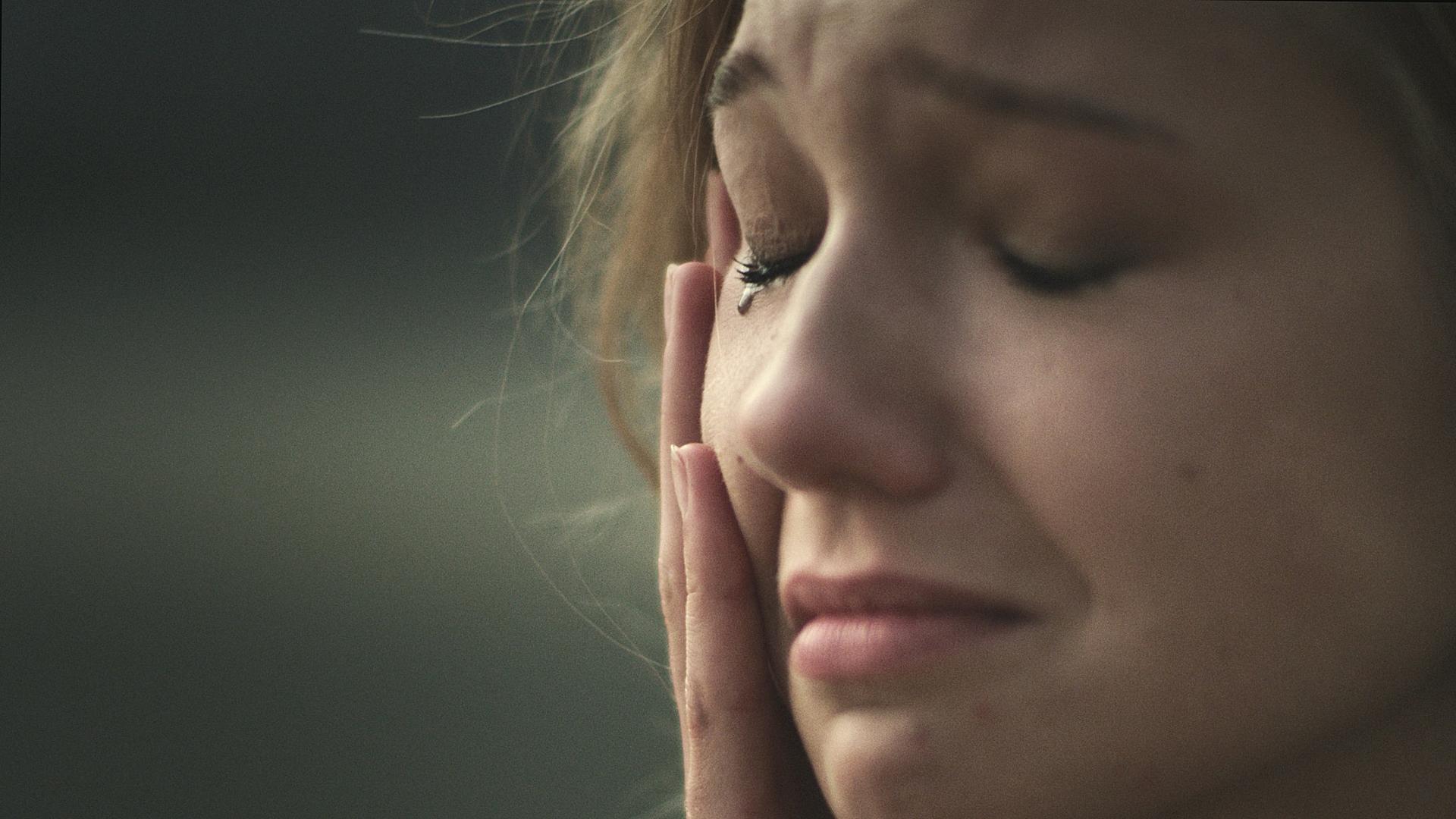
In daily life, we often avoid feeling sad because it can feel paralyzing. But recent psychological research shows sadness isn’t just unpleasant — it’s a hidden strength that can fuel personal growth and help us overcome challenges.
The Evolutionary Role of Sadness
We likely developed the feeling of sadness through evolution to help us ask for support from others. Humans are social beings, and our emotions play a key role in connecting with each other.
When we’re sad, we find comfort through our social bonds—those connections that most strongly impact our survival and well-being.
Sadness also serves as a signal that grabs attention and triggers a strong response from those around us. It’s a way to invite support exactly when we need it most.
How Sadness Boosts Creativity
It might surprise you, but sadness can actually spark creativity. Many artists, writers, and musicians have shared that their most powerful creations came during times of sadness.
This emotion shows up in creative work as an inspiring force that helps us explore and understand the deeper parts of the human soul.
Sadness sharpens our thinking beyond art, too. When feeling sad, we often become more thorough and thoughtful, leading to better problem-solving. People discover new perspectives and creative solutions when emotions run deep.

Sadness Deepens Empathy
Another powerful aspect of sadness is how it strengthens empathy. When someone feels sad, they better understand others’ similar feelings and become more sensitive to the emotional needs around them.
This helps us not only know our own emotions better but also truly grasp others’ perspectives.
This skill plays a big role in building stronger social connections. Empathy lets us bond more deeply and create supportive, lasting relationships. Understanding others’ pain invites a vulnerability that makes connections richer and more meaningful.
Sadness as a Driver of Personal Growth
Sadness also opens the door to self-reflection. When we’re sad, we often turn inward to find answers to the questions that weigh on us. This introspection helps us face our weaknesses and recognize where we can grow.
This emotional depth doesn’t just help us confront problems—it also allows us to accept and process our feelings.
So sadness isn’t just a negative experience; it plays a vital role in psychological growth that can lead to positive changes in our lives over time.
Recognizing the Value of Sadness
Though many avoid sadness, embracing it can help restore emotional balance. As a natural part of life, sadness is unavoidable, but how we respond shapes our outlook and emotional growth.
Accepting sadness shows us it’s not just a barrier but also a bridge to deeper self-awareness. Being aware of this resource gives us the chance to build ourselves and our relationships, and to heal and overcome difficulties. So, while sadness may seem like a burden, it actually plays a key role in creating emotional well-being.