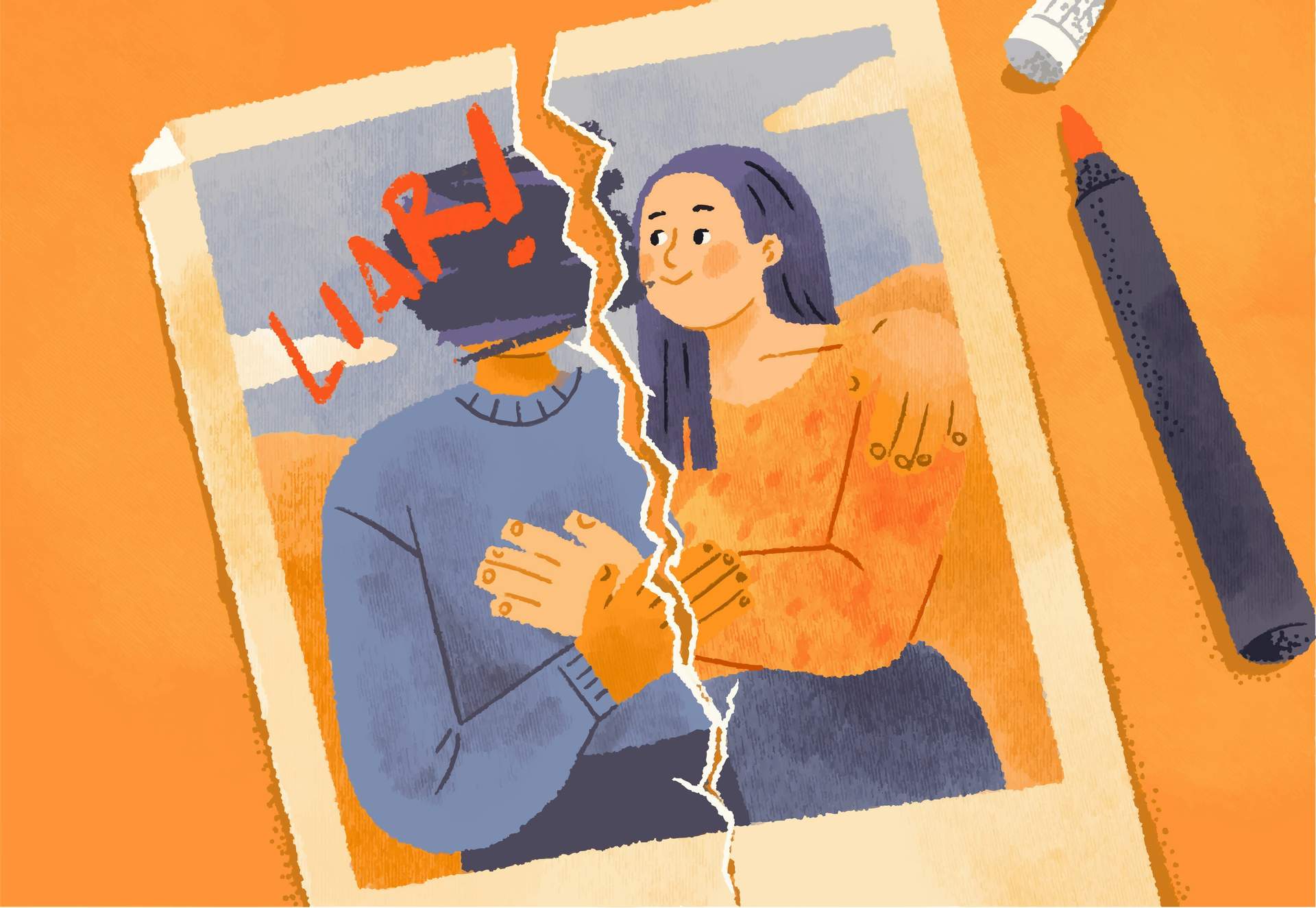
Whether it’s relationship struggles, workplace conflicts, or self-esteem challenges, these recurring patterns often trace back to an old trauma.
Trauma and Its Impact on Repeating Patterns
Psychology has long explored the effects of trauma. Gábor Máté, a respected psychologist, highlights that traumas we’ve experienced can quietly live deep within us.
These experiences often guide our lives below the surface of awareness, creating similar situations again and again.
The effects of trauma aren’t always obvious, and when we notice repeating patterns in different parts of life, we might not immediately recognize their roots. Many only realize these connections through deeper self-exploration—whether in personal growth workshops, therapy, or spontaneous insights.
How Trauma Works Beneath the Surface
Traumas are usually events with intense emotional and physical stress that the body tries to process. When this processing isn’t complete, the memories can stay buried deep in the subconscious. These suppressed feelings can later recreate the very situations that caused the original trauma.
According to Sigmund Freud’s psychoanalytic theory, repressed emotions and experiences often resurface in daily life, especially if left unaddressed. That’s why recognizing and understanding an old trauma can help break past patterns and move forward.

Gábor Máté and Understanding Trauma
Gábor Máté’s outstanding work helps us better grasp the complex nature of trauma. His research points out that childhood traumas deeply shape adult behavior and lifestyle. He explains that physical and emotional stress in early years forms subconscious patterns that show up across life’s many areas.
Máté especially explores the link between trauma and addiction. He believes that often, unprocessed childhood traumas lie behind addictive behaviors, and without recognizing these roots, breaking free can be tough.
Solutions and Steps to Move Forward
There are many ways to process and move beyond past traumas, but awareness and self-knowledge are key. The first step is spotting recurring patterns and connections in life’s events. Then, seeking professional support—like a psychologist, therapist, or group self-awareness training—can make a big difference.
Meditation, mindfulness, and other relaxation techniques also help us connect with our inner world daily. These practices boost mindful presence, essential for noticing and understanding our subconscious workings.
It’s also important to balance emotional and rational sides, helping us understand and integrate past experiences. The more consciously we face challenges, the easier it becomes to handle the effects of past traumas.