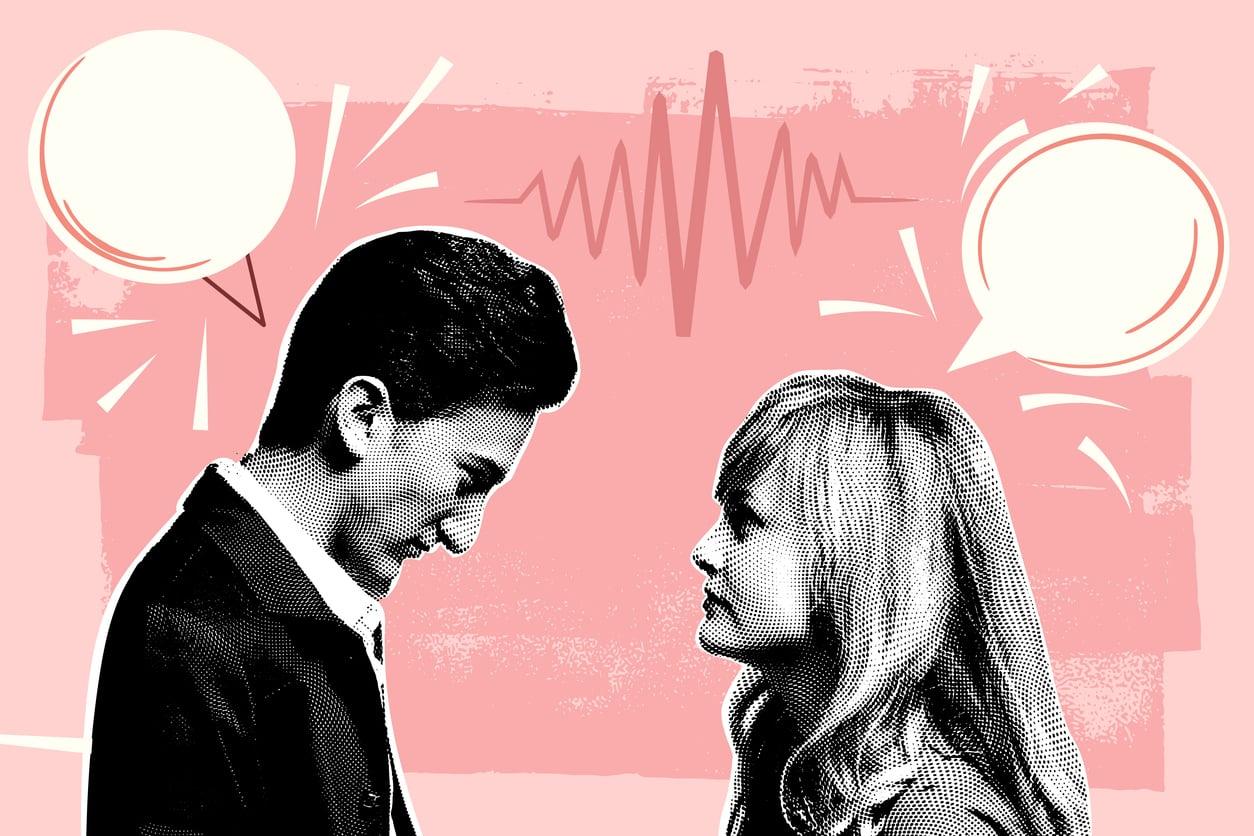
Sound familiar? You’re in the middle of an argument, trying to say something… then it’s over, everyone moves on, and only hours later do you realize what you really should have said. Of course, in hindsight, your comeback is sharp, clear, and just the right amount of witty. But by then, there’s no one left to say it to. This is what many call "hindsight wisdom." Annoying? Sure. But completely normal.
What’s happening in your brain at that moment?
During an argument, your brain isn’t firing on all cylinders. Stress kicks in, your heart races, tension builds, and your brain switches to “fight or flight” mode. This isn’t the time for carefully crafted sentences; it’s about quick reactions. Your brain is focused on survival, not on expressing yourself clearly and thoughtfully.
Emotions override clear thinking
When you’re emotionally involved, feelings can easily take control. You might not explode visibly, but inside, tension narrows your thinking. It becomes harder to express exactly what you want to say. Your thoughts are there—you just can’t access them clearly.
Emotional intensity creates noise in your head, which is why your best lines often come to you later.
Often, you realize afterward that you didn’t say what you truly meant, but only what you could say in that moment.

Why do you feel "blocked" in those moments?
It often feels like you weren’t yourself during the argument. Like someone else was speaking for you—or no one at all. That’s because tension triggers your brain to react instantly, not to communicate thoughtfully. You might give simplified answers or freeze completely. It’s not that you have nothing to say, but your nervous system isn’t in “express perfectly” mode.
Later, when you reflect, the situation becomes clearer, and you piece together what you really wanted to express. That can be frustrating, but it also shows there’s so much more inside you than you could say at the time. Once the moment passes, your body calms down, and your brain shifts back to a calmer, more thoughtful state. Now you have the space to analyze, replay the conversation, and come up with “better responses.” Not because you suddenly got smarter, but because your nervous system finally has room to work. This is when you can truly organize your thoughts, feelings, and what you wanted to stand for.
Regaining control
These after-the-fact responses often reflect your effort to take back control. During the argument, you might have felt vulnerable or unable to express yourself fully. Your brain “finishes” the situation for you afterward to ease the tension. It’s like setting things right in your own mind, even if only silently.
It’s not just about the other person
Interestingly, these mental replays aren’t always about the other person. Often, they’re about how you want to show up. What you want to stand for, what you’d say more boldly, and where you’d set your boundaries.
It’s like an internal rehearsal, trying out the version of yourself who will be ready next time.
Why does it stick with us so long?
Because it’s unfinished. Our brains don’t like unresolved situations, so they keep coming back to them. They replay the scene until it makes sense or until the picture feels complete. This isn’t a weakness—it’s a natural way we process experiences.
Can you use this in a positive way?
Absolutely. While it might seem annoying at first, it can actually be helpful. These afterthoughts teach you a lot about yourself—what truly touched you and what you want to do differently next time. You don’t need to replay the argument, but you can take the lesson with you. It’s not a problem that the “perfect sentence” didn’t come to you right away. Your brain was overloaded, and emotions were stronger than logic. Remember, recalling it later isn’t a sign of weakness—it’s a sign you’re processing the experience. And next time, that perfect line might just come to you right on time.