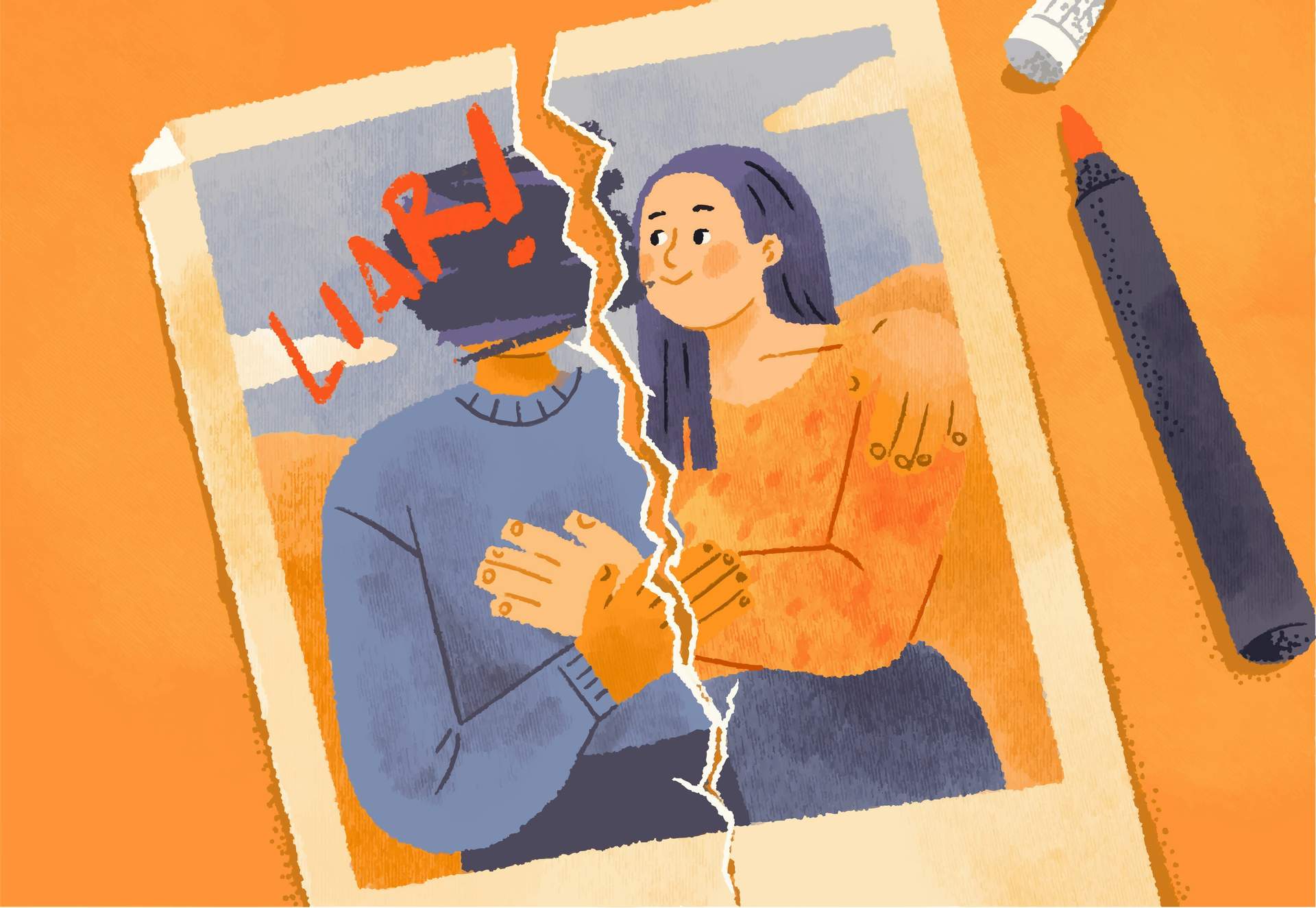
When someone leaves a long-troubled relationship, the outside world often only sees the moment of decision. Questions like “What happened?” and “What was the last straw?” zoom in on that single point.
But American psychologist Mark Travers reminds us the real story starts much earlier: in those years when the relationship stops giving but we keep it going. When we’re unhappy but convince ourselves that “it’s still manageable,” “it could be worse,” or simply that taking a step into the unknown feels too risky.
Travers emphasizes: we don’t stay in unhappy relationships because we’re not smart or insightful enough. We stay because our nervous system, emotional memory, and fears decide long before our rational mind can weigh the facts.
When Familiarity Masquerades as Safety
One of the strongest forces holding us back is that our nervous system doesn’t distinguish between healthy and unhealthy—it distinguishes between familiar and unfamiliar. What reminds us of early emotional patterns often feels safe to our body—even when our mind knows the pattern is harmful and the relationship painful.
Attachment patterns form in childhood and act like an internal map for adult relationships. If as a child we experienced closeness as unpredictable, emotional ups and downs in a partner can easily seem like “passionate” love as adults. If intimacy was conditional in childhood, keeping distance feels normal, as does constantly having to earn love. In these cases—even if we make poor choices—we simply choose what our body and soul recognize.
This also explains why a truly balanced relationship can feel strange, unfamiliar, or even boring at first. Calm and safety aren’t familiar feelings for everyone.

When a Relationship Is Used to Heal Old Wounds
Travers believes many get stuck in unfulfilled relationships because they’re unconsciously trying to “fix” an old emotional wound over and over.
This isn’t conscious self-sabotage, but an inner attempt to rewrite the past.
Just like recurring dreams can signal unresolved trauma, repeated relationship patterns show something hasn’t been fully integrated. Someone who felt invisible as a child may cling as an adult to a partner who only gives occasional feedback. The real driver here is hope—the belief that “this time will be different.” In these cases, the partner unintentionally becomes a symbol, a stand-in for an old wound rather than a true partner. Real healing begins when we stop trying to fix the relationship and start seriously honoring our own boundaries, story, and identity.

Why Does Unhappiness Feel Safer?
Even emotionally aware people often underestimate how much we fear uncertainty. The brain, on an evolutionary level, favors the familiar because change takes more energy, emotional effort, and carries bigger risks. So an unhappy relationship often feels like a “smaller loss” compared to the unknown and unpredictable “maybe happier” future.
Quiet but powerful questions work behind the scenes: What if I don’t find anyone else? What if I regret this choice? What if the kids don’t side with me? In these moments, we’re not weighing present pain but fearing the future—and as long as staying feels familiar or the situation isn’t unbearably painful, the mind tends to hold on.
Mark Travers says the turning point always happens inside: when you see more clearly who you are, what you need, and what you won’t compromise on anymore, uncertainty stops feeling like an insurmountable threat. Instead, it becomes a path where—though not everything is clear—you can move forward more authentically.