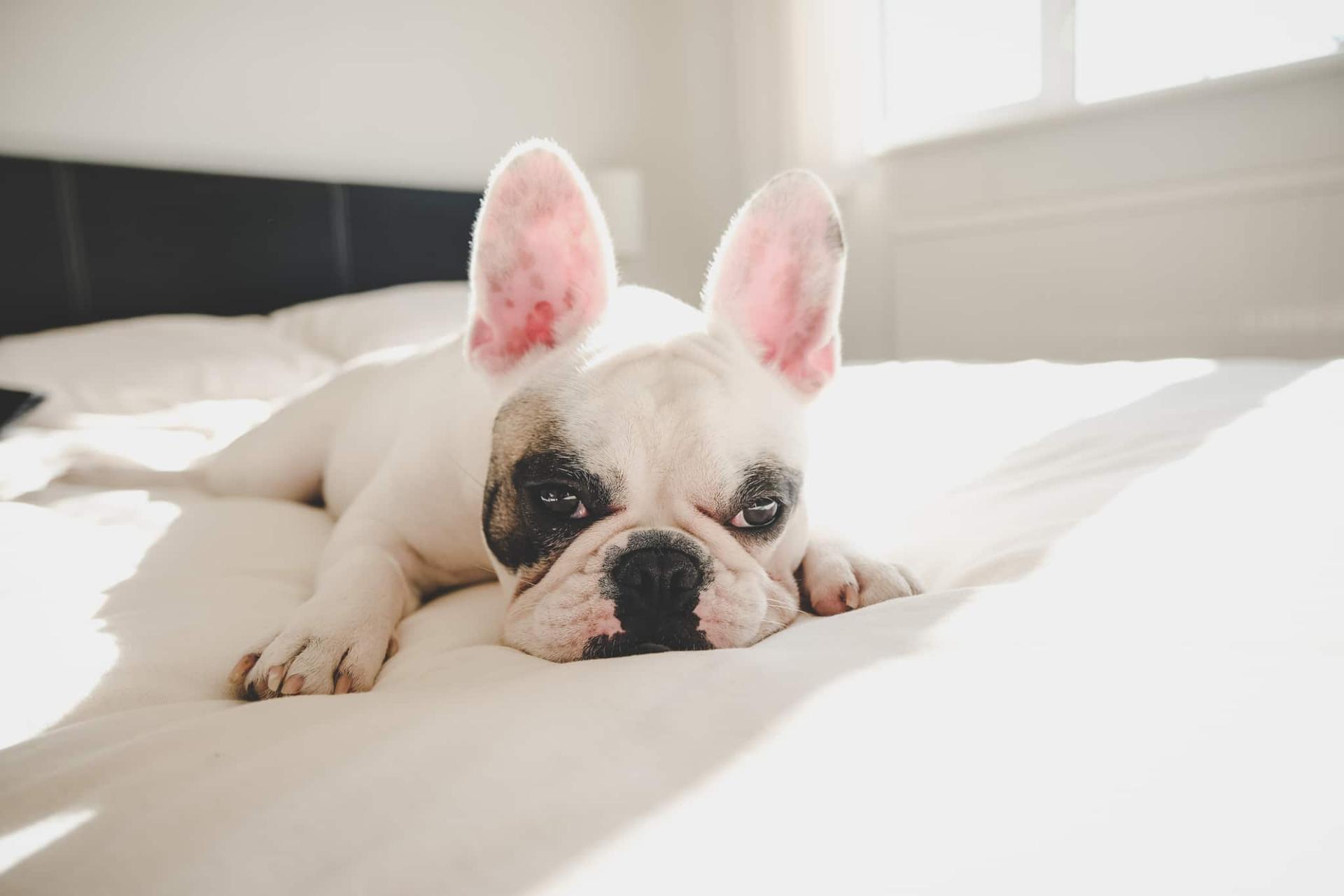
Throughout our lives, we've all encountered animals with unusual looks—whether through viral internet photos or a unique pet joining us in real life. Strange as it sounds, these "ugly-cute" animals often become some of our closest companions. But why do we feel drawn to creatures that don’t fit the traditional idea of "beauty"?
The Power of Emotional Bonds
One fascinating aspect of human psychology is that we’re often drawn not by looks, but by the chance to form an emotional connection. When we meet an "ugly-cute" animal, especially one with a tough past or difficult living conditions, we tend to feel deep empathy. This emotional bond bridges the gap left by appearances and opens the door to welcoming them as cherished family members.
Empathy and compassion often trigger our caregiving instincts, especially toward vulnerable beings. These feelings can emerge for lonely animals fighting to survive—like a stray, hairless, skinny, and nearly deaf dog. Our hearts naturally want to protect those who need it most.

How Our View of Beauty Is Evolving
Our ideas about beauty are always shifting and expanding. Society tends to favor looks and aesthetics, but the digital world has opened new perspectives that change how we see things.
As imperfections in animals—and even people—become more visible, our need for sensitivity, acceptance, and love toward these quirks grows stronger.
For "ugly-cute" animals, demand often comes from audiences seeking surprisingly charming stories and consumers craving uniqueness. The idea of "imperfect beauty" has roots in cultural references past and present. Though it may seem surprising that a quirky-looking cat or dog can become an iconic internet star with just one post, it happens everywhere online.
A Source of Humor and Joy
Laughter and fun play a big role in why "ugly-cute" animals hold a special place in our hearts. Their odd looks and personalities often bring us joy and make us smile. Shared moments—whether a funny video or photo—spread like wildfire on social media, strengthening the cult of these charmingly imperfect creatures.
Humor is a vital part of daily life, connecting us with others. Enjoying the antics of these animals becomes a social experience woven into our interactions. Plus, the wide variety of "ugly-cute" content shows that people love standing out and often prefer quirky, one-of-a-kind pets.
The Value of Being Unique
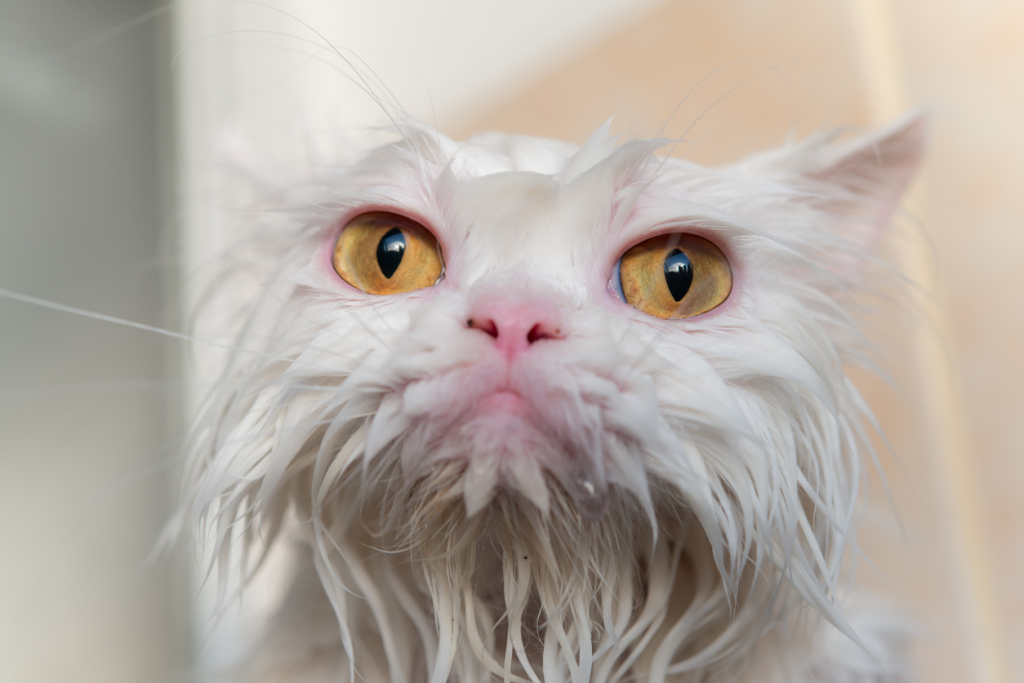
Despite their aesthetic quirks, these animals often attract increased interest. They represent unique treasures to their owners, who proudly embrace their pets’ uncommon appearances.
This special look connects to our desire for uniqueness and the important values of diversity and individuality.
How we see a creature often reflects our experiences with other strong factors. Animals with quirky, standout traits offer a way to express ourselves, mirroring their owners’ departures from the predictable. This search for self-expression and uniqueness motivates people to connect with "ugly-cute" animals.
Complex Human Connections
Ultimately, the attraction to "ugly-cute" animals is rooted in human feelings and how we build relationships. A lovable animal, no matter its looks, invites us to open up, gain new experiences, and deepen our bonds. Genuine emotions and our natural urge to care intertwine with our endless love for the animal world.
In the end, these "ugly" little creatures tell a story about us—our emotional complexity, love, and need for protection. Though it might not be obvious at first glance, "ugly-cute" animals hold a wealth of positive feelings and lessons that help us embrace our own imperfections and understand ourselves better.