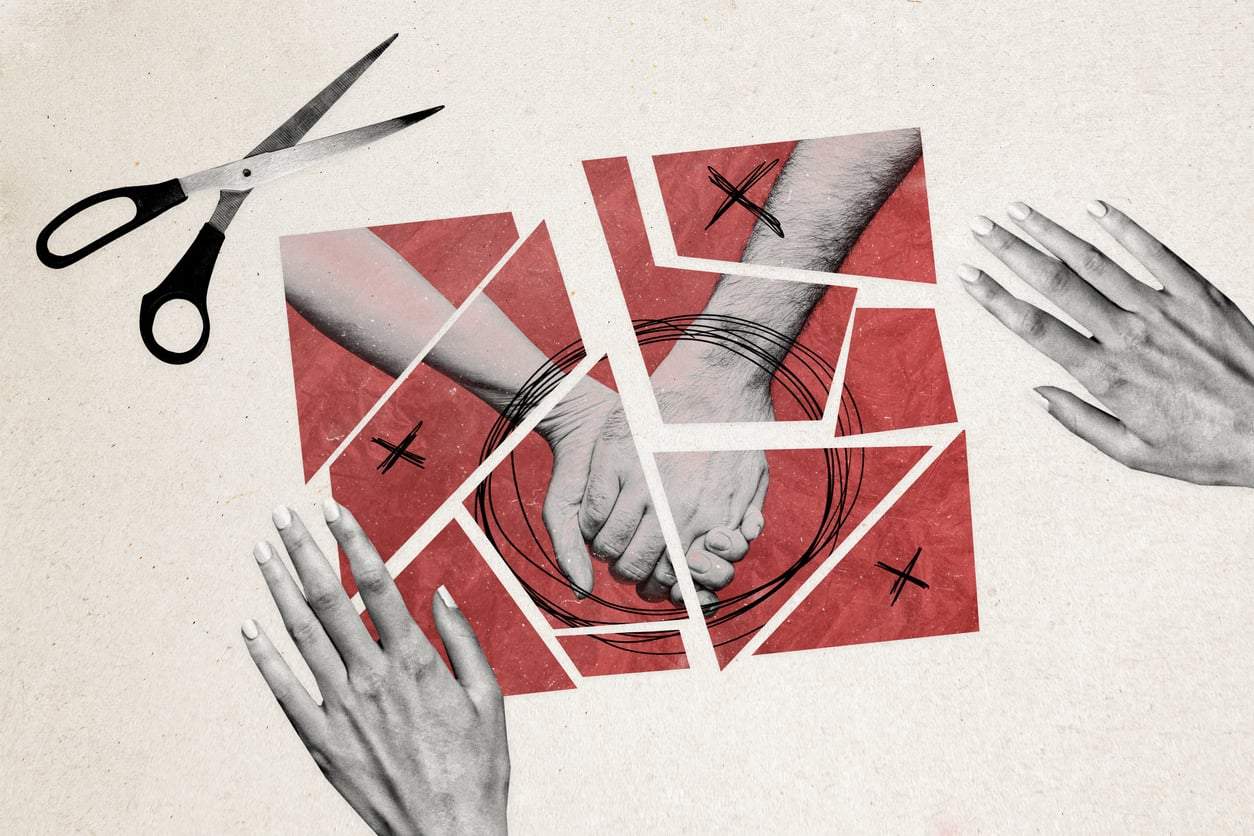
We often face moments in life where, even knowing something isn’t ideal for us, we stay put simply because it feels familiar and safe. This is especially true in relationships, workplaces, and our daily routines.
The Comfort of the Comfort Zone
We’re human, and one of our deepest desires is to feel safe. Our familiar surroundings, even if not perfect, offer a certain comfort because they’re predictable and understandable. Our brains naturally lean toward what’s foreseeable and low-risk.
There’s no truer saying than “better the safe bad than the uncertain good.” The unknown often sparks fear, and that fear can seriously block change.
Psychological and Emotional Factors
Why do we pick the safe bad? There are many psychological reasons. One is cognitive dissonance — our mind’s way of justifying decisions, even when they don’t serve us well. Staying in a familiar place, even if it’s not ideal, helps reduce the mental discomfort caused by our less-than-perfect choices.
Another big factor is sticking to social norms. We often feel we should be in a certain place or role because that’s what society or those around us expect. This is especially true when it comes to relationship status, jobs, or social roles.

The Power of Fear
We’ve all felt how the unknown future can stir anxiety that holds us back from change. Fear of the unknown, of what might happen if we step out of our comfort zone, often outweighs the hope for something better.
It’s made tougher by the worry that others will judge us if we take bold steps. We fear criticism from those around us if our change doesn’t succeed.
The Role of Self-Esteem and Self-Worth
Many stay stuck because they don’t believe in their abilities or feel they deserve better. Low self-esteem makes us settle for what we have rather than risk bigger failures or disappointments.
Sometimes, a small boost of confidence is all it takes to break free from this stuck state. Self-esteem is a powerful resource for change, and supportive friends and family can be the cheerleaders who inspire and believe in us.
How to Break Free from the Safety Trap
The key is realizing that the “safe bad” is just an illusion our brain creates for predictability’s sake. For example, if someone is unhappy at work but hasn’t changed jobs, it helps to rationally weigh the options: under what conditions would a change make sense? What opportunities are worth exploring?
Often, self-awareness, understanding ourselves better, and clarifying our goals can give us the confidence to step safely into the unknown. On the path of personal growth, setting clear goals is essential—they motivate us to move forward.