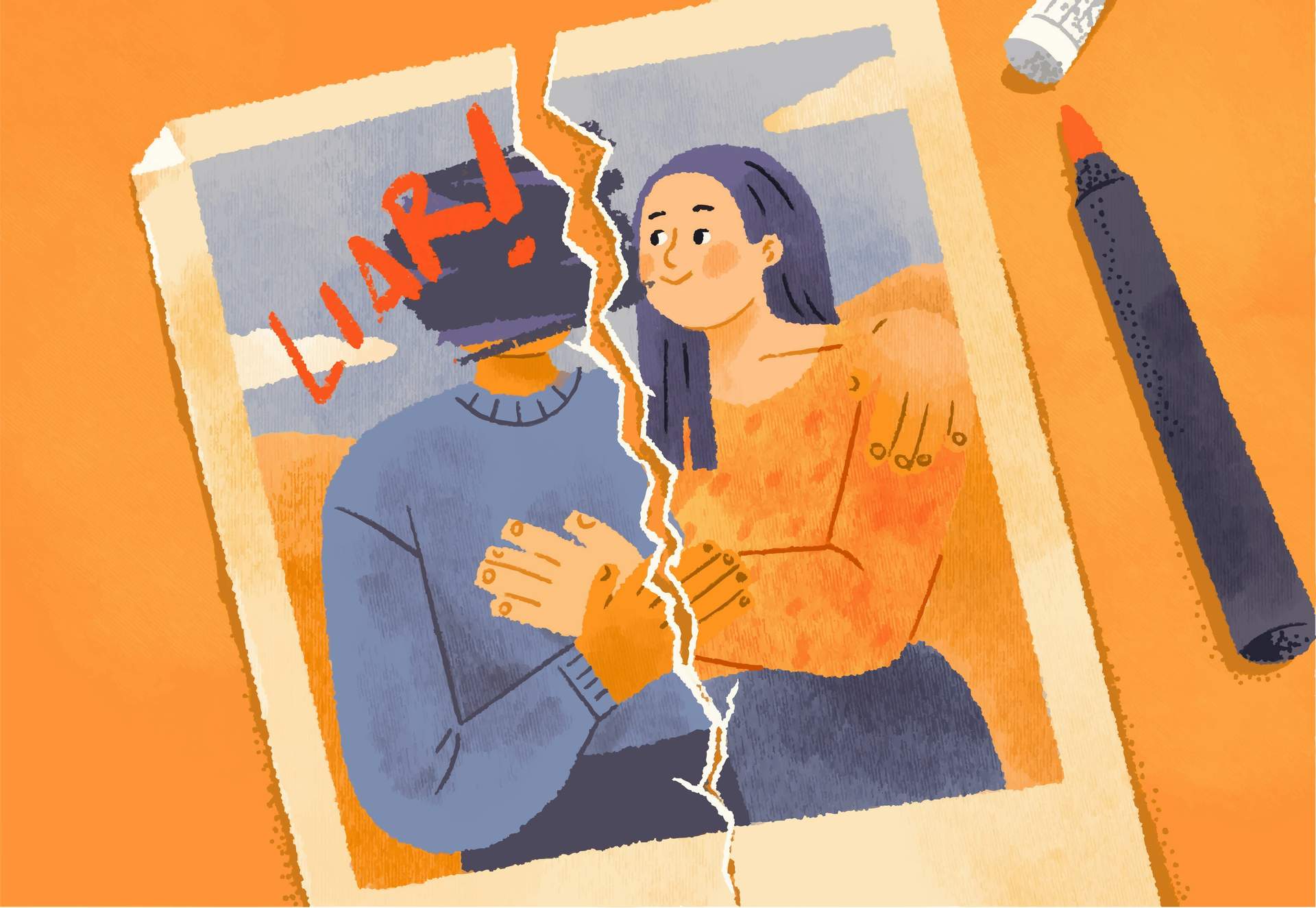
My inner saboteur fought hard right until the last moment. The morning of my first session, I was a masterclass in excuses: too busy, too tired, things aren't that bad, I've always managed on my own before. Why should now be any different?
Looking back, I can see it clearly — that resistance was my comfort zone making one final, desperate stand. My ego would have gladly settled back into the familiar murk rather than face the unknown. Because the murk, even when it's stagnant, at least feels like home. But I needed to take a deep breath and finally stop just talking about change — and actually sit down in that chair.
I used to think self-awareness was an intellectual hobby
Something you could practice from a safe distance — at group workshops, with a well-regarded psychology book in hand, nodding along wisely. In the modern world, it's easy to fall into the illusion of being "informed." We listen to the podcasts, we read the articles, and somewhere along the way we start confusing knowledge with healing.
There was always another workshop, another fascinating talk, where I'd sit in the audience thinking: "Yes, I completely understand why I do this — it's a childhood pattern."
And yet the years passed. Those grand, life-changing insights stayed neatly shelved, like encyclopedias that are never actually opened. The understanding was there. My behaviour, however, hadn't shifted one bit.
Group sessions had their value — they laid important groundwork. But at some point I had to admit that the group setting had also become a kind of hiding place. It's remarkably easy to lose yourself in other people's stories, to nod sympathetically at someone else's struggles while quietly postponing your own most uncomfortable questions. I thought understanding the patterns was half the battle. But the real shift required something more: setting the theory aside and stepping into the sometimes uncomfortable, deeply personal intimacy of one-on-one work. Face to face with someone who isn't your friend, isn't your family — and who won't let you keep circling around your own edges.
When I finally walked through the door, my therapist greeted me with a half-smile and said: "You must have been feeling pretty awful to finally take the plunge after all this time."
She wasn't wrong. And that one line — funny, warm, and completely disarming — hit exactly the right nerve. We tend to treat therapy as the absolute last lifeboat, something you're only allowed to grab when everything around you has already fallen apart.
But you don't have to be in ruins to deserve to feel better.
Think about it this way: you don't only visit the dentist when the pain becomes unbearable and you need emergency surgery. You go for check-ups, for cleanings, because prevention makes sense. Taking care of your emotional life is maintenance, not a luxury intervention — or at least, it should be. We shouldn't have to wait for a total emotional collapse before we start paying attention to ourselves. Untangling small blockages, doing the quiet daily fine-tuning — that work is just as valuable as crisis management.
Not the end of the world — more like a clear mirror
So what actually happened once the first session began? Let me start with what didn't happen: disaster. Instead of the catastrophe I'd braced for — the awkward silences, the painful over-explaining — something unexpectedly heavy lifted inside me. I said things out loud that I'd only ever whispered to myself. I answered questions I hadn't dared ask. And I found compassion exactly where I'd come looking for help.
I realized how exhausting it had been to carry all of that alone for years — to perform control, to constantly "fix" myself in private while pretending everything was fine. Sitting in that chair, I didn't have to be strong. I just had to be present. That turned out to be everything.
Even after that first session, I understood: therapy isn't a dark pit you get thrown into — it's a clear, undistorted mirror. Do I dread the next appointment? Honestly, yes. And as much as I genuinely like my therapist, I don't exactly look forward to seeing her. But I know why: she shows me things I'd rather keep hidden. And that kind of honest reflection, however uncomfortable, is exactly what makes moving forward possible.
Emotional hygiene isn't about being broken. It's about being brave enough to look. If you've been on the edge of taking that step, consider this your gentle nudge — your comfort zone will resist, but it's worth it every time.