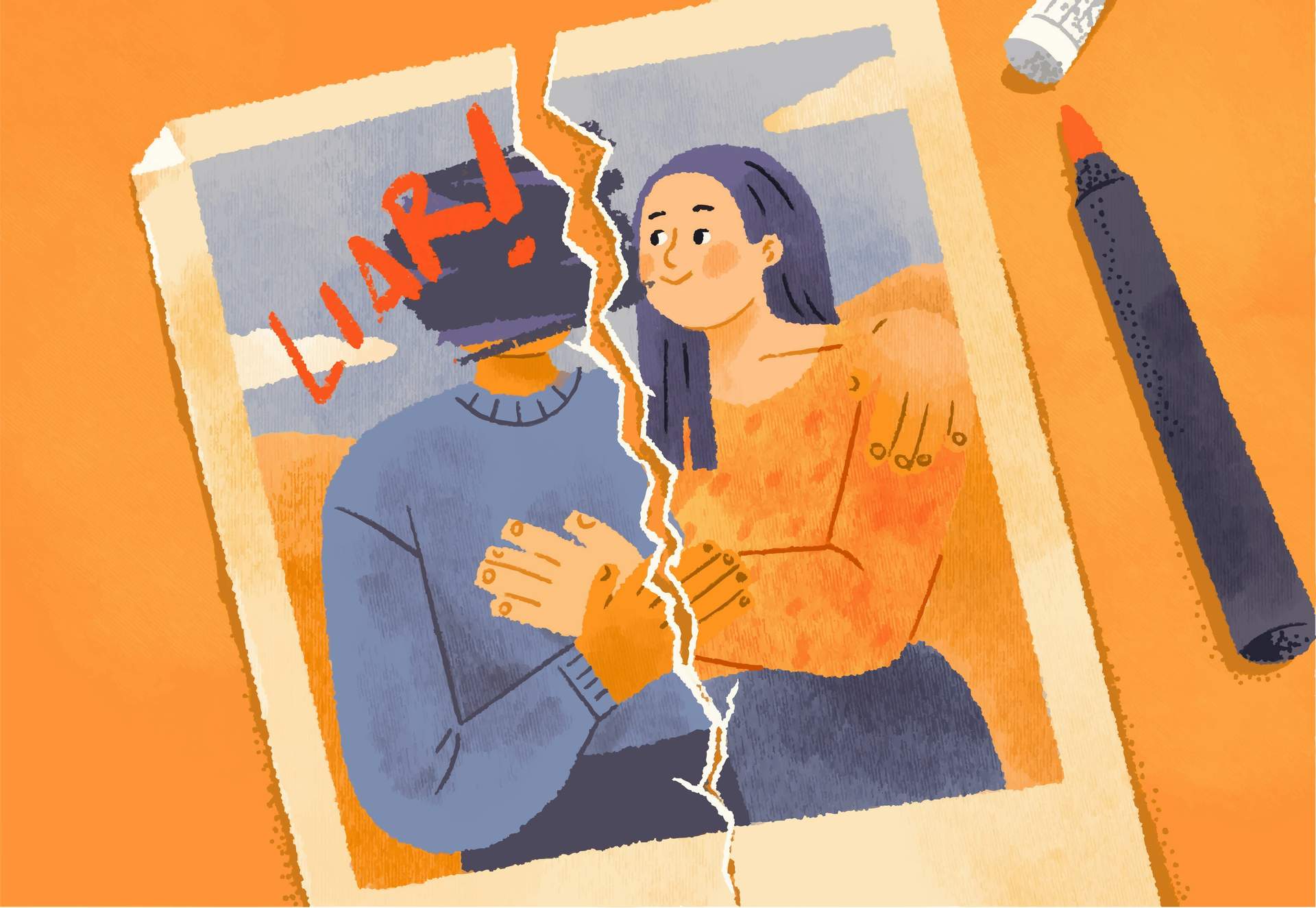
For a long time, I couldn't explain why a simple unanswered message made my chest tighten with dread, or why I would exhaust myself trying to predict what other people were thinking — just to avoid any chance of conflict. It took a lot of work, and a lot of honest self-reflection, to realize that these reactions weren't personality quirks. They were echoes. In my most intimate moments, it isn't only my adult self showing up. There's also that little girl who learned to adapt long before she ever learned to truly trust.
The quiet whisper of insecurity in everyday life
Insecurity doesn't appear out of nowhere. It grows from the places where our sense of safety was damaged early on — sometimes through emotional neglect, sometimes through something far more visible and painful.
Whether the wound was emotional neglect or physical harm, those early injuries quietly shape how we connect with others, even decades later.
When we suddenly shut down during an argument, or swing to the opposite extreme and explode with emotion that feels disproportionate to the moment, we're not overreacting. We're protecting ourselves from old pain. And when your earliest relationships taught you that the world isn't a safe place, it becomes genuinely hard to believe that you are worthy of love — steady, unconditional love that doesn't need to be earned every single day.
Why does closeness feel dangerous?
I spent years telling myself I was just an "overthinker" — someone who liked to double-check everything. What I eventually understood was harder to sit with: my constant anxiety was keeping my childhood vigilance alive. What once helped me stay safe and responsive as a child was now quietly poisoning my relationships as an adult. It wouldn't let me simply believe that love could be consistent, that I didn't have to fight for it every single moment.
According to experts, one of the most lasting effects of childhood trauma is the way it erodes our ability to trust at the most fundamental level.
If we learned early on that honesty leads to rejection and vulnerability leads to pain, we spend our adult lives building invisible armor to protect ourselves from both.
That armor can look like emotional withdrawal, or the complete suppression of feelings — strategies that once kept us safe but now build walls between us and the people we love most. Often without even noticing, we start over-analyzing every small gesture out of fear of abandonment. Or we push people away before they have the chance to leave us first. The cruel irony is that this inner tension ends up creating exactly the loneliness we were so desperate to avoid.
The hard work of boundaries and self-regulation
Another common legacy of trauma is a blurred sense of where we end and another person begins. When our boundaries were regularly crossed in childhood, we grow up struggling to advocate for our own needs without drowning in guilt. We fall into the trap of endlessly trying to please our partners, while resentment quietly builds underneath — fueled by the exhausting performance of seeming perfectly fine.
This often goes hand in hand with difficulty regulating emotions. Many of us never witnessed healthy models for handling tension or conflict, so disagreements escalate quickly, leaving both people feeling drained and misunderstood. It was genuinely shocking to realize how many times I had said yes to things I didn't want, simply because the child inside me was still terrified that having an opinion would cause conflict — and that conflict would mean being left behind.
The power of showing up for yourself
We can't change the past. But we can always change our relationship with it. The first and most important step is self-awareness — because once we start recognizing the childhood patterns driving our reactions, we are no longer completely at their mercy.
Many people still hesitate to seek professional support, held back by the lingering fear that needing help means something is wrong with them. But asking for help is, in reality, one of the most courageous things a person can do. I've seen this play out in group settings time and again: people arrive tense and guarded, quietly convinced they are the only ones who are "broken." Then the conversation begins, and something shifts.
It turns out everyone is carrying something heavy — and more often than not, our struggles are mirrors of each other's.
Processing trauma is not a quick or linear journey, and it's completely okay to feel like you've taken a step backward sometimes. What matters is turning toward yourself in those moments with the same patience and compassion you would offer a close friend in pain. Whether through therapy, supportive communities, or simply the slow practice of honest self-reflection, it is possible to reach a place where your past is no longer a chain — but an experience that ultimately makes you capable of giving and receiving love that is safe, mature, and real.
Reclaiming a sense of control over your own life begins with one quiet but radical belief: you deserve attention, respect, and peace.