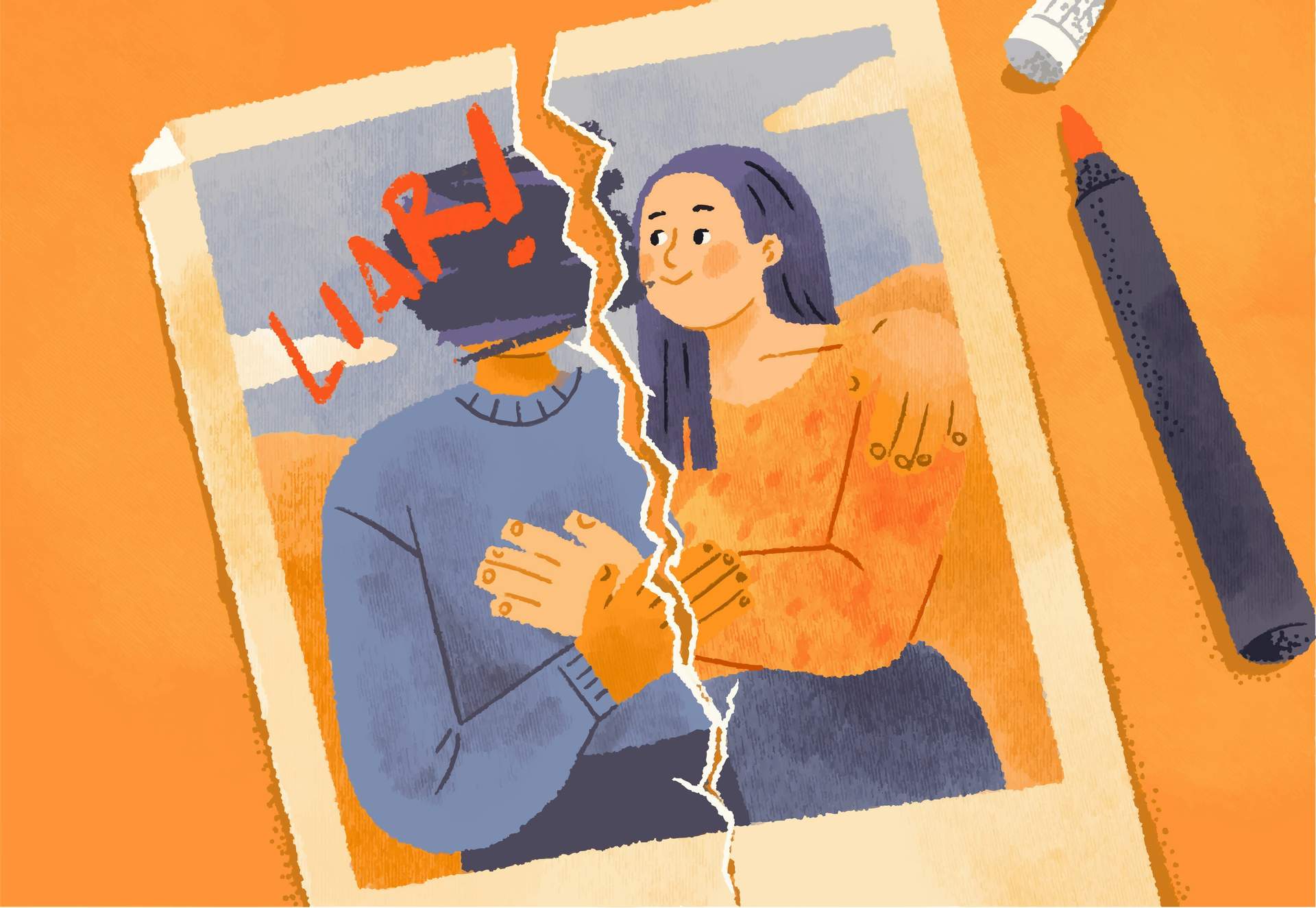
We've come a long way when it comes to talking about mental health. Seeking help is no longer seen as weakness. More and more people understand that you don't have to hit rock bottom before reaching out to a therapist. That's real progress.
But there's something we still don't talk about enough: not every therapist will be right for you. And that silence does real damage. Because when a therapeutic relationship doesn't work out, too many people walk away convinced that therapy itself is useless — or worse, that they're simply beyond help. Neither is true.
Speaking from experience: sometimes you have to try more than one therapist before you find someone you can genuinely work with. That's not failure. That's just how it goes.
It's also worth saying plainly: having a degree doesn't automatically make someone a good therapist. Like any profession, there are practitioners who are attentive, skilled, and truly present — and others who aren't. Knowing the difference matters.
They're not really listening to you
One of the clearest warning signs is the feeling that your therapist isn't actually paying attention. Not the occasional misunderstanding — that's human. I mean the pattern where you walk into a session and it feels like you're starting from scratch every single time. Where they can't recall important details, mix up your stories, or seem mentally elsewhere.
Attention is the foundation of therapy. Without it, real trust is almost impossible to build.
A good therapeutic relationship also tends to have some sense of shared direction. Not a rigid, military-style plan — but enough clarity that you both understand what you're working on and why. A good therapist helps you articulate your goals and has some idea of how to move toward them.
I once spent months with a therapist where I genuinely had no idea what was happening in our sessions. I'd talk, she'd listen, occasionally nod — and I'd leave feeling more frustrated than when I arrived, like we were going in circles. At the time, I assumed the problem was me. Now I know I had every right to ask: where exactly are we going with this?
The personal dynamic matters more than you think
Here's something that rarely gets said: the relationship between a therapist and a client is, at its core, a deeply human one. It's not friendship — but personal chemistry still counts. Someone can be an excellent clinician and simply not be the right fit for you.
Some people thrive with a structured, solution-focused approach. Others need more open, exploratory conversations. Some want to dig deep into the past; others want practical tools for the present. And beyond style, therapists also have different areas of expertise. Someone brilliant at treating anxiety may not be the best person to help you work through trauma or navigate relationship difficulties.
Therapeutic methods don't work the same way for everyone — and then there's that harder-to-define factor: whether you can imagine, over time, genuinely opening up to this person. That feeling doesn't always have a logical explanation. Some people you can connect with. Others you simply can't.
Knowing intellectually that your therapist is qualified doesn't help much if you spend every session tense, holding back, and feeling fundamentally misunderstood. Trust either develops or it doesn't — and when it doesn't, that's not a personal failure.
It's okay to leave
A lot of people stay in therapeutic relationships that aren't working because they're afraid to leave. It feels awkward to say: "Thank you, but I don't think this is working for us." So they stay, sessions pass, and nothing changes.
But ending a therapeutic relationship that isn't serving you is a completely legitimate decision. You don't owe anyone your continued presence in a room where you don't feel heard.
And if you're worried about hurting your therapist's feelings? Don't be. A good therapist won't take it personally. And if they do — well, that tells you everything you needed to know.