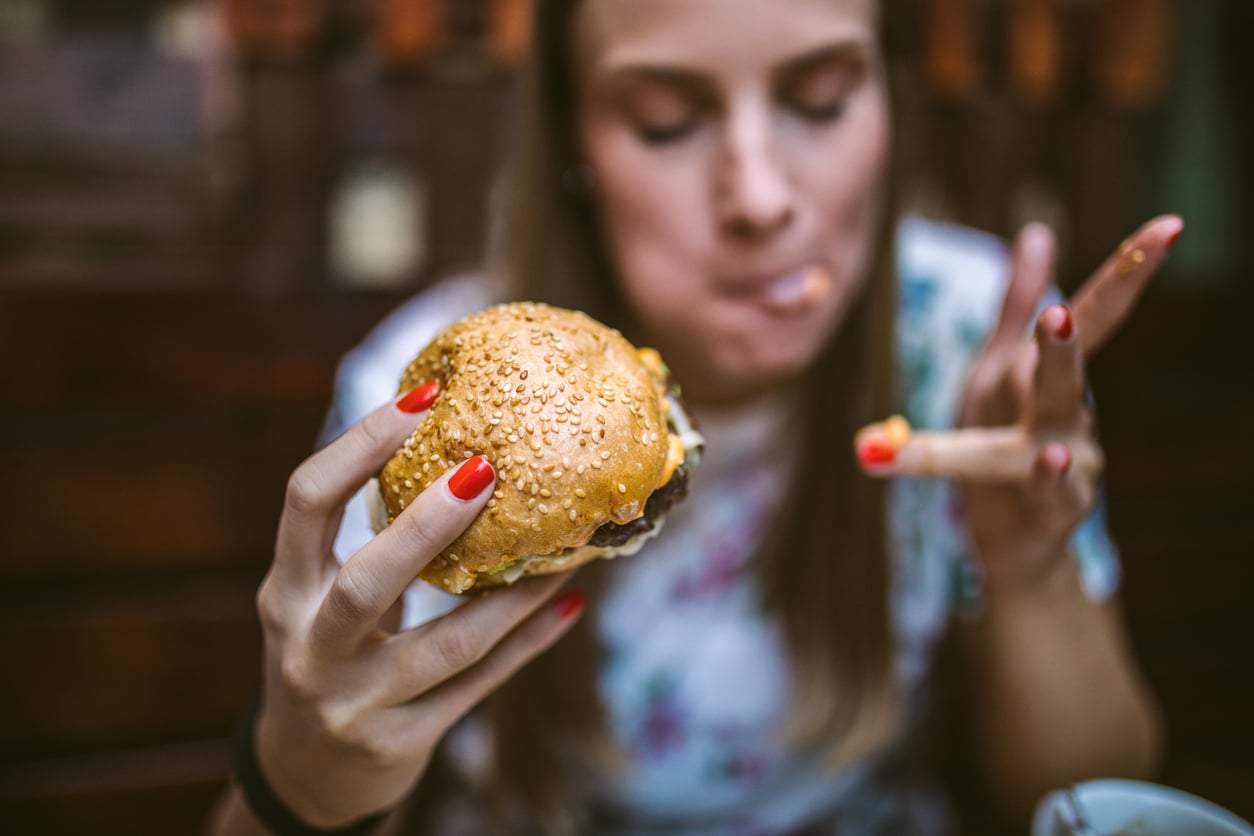
Ever had one of those days when everything piles up, and by evening you catch yourself standing in the kitchen over a bag of chips or some crunchy snack? Trust me, we’ve all been there! Often, we’re not truly hungry, but chewing something just feels good. After a long day, it seems like one of the simplest ways to calm down a bit. This isn’t a coincidence. There’s actually a much closer connection between stress and eating than you might realize.
When Stress Takes the Wheel of Your Appetite
When we’re tense, our body starts producing stress hormones like cortisol. This hormone’s original job is to help the body handle danger. In the short term, it gears us up to react quickly, mobilize more energy, and stay alert.
But in today’s world, stress rarely means a brief threat. It usually shows up as constant pressure—work deadlines, too many tasks, always being on call. Our bodies stay in this “alert” state longer, and our brains instinctively look for quick relief. Eating is one of the easiest ways to get that.

Why Crunchy Snacks?
Many have noticed that when stressed, we don’t necessarily crave a healthy salad. Instead, it’s salty, crunchy snacks like chips, crackers, popcorn, or other crispy treats. It’s not just about flavor. Crunchy foods offer a unique sensory experience.
The rhythm of chewing, the crunching sound, and bold flavors together provide a stimulus that briefly distracts your brain from tension.
Plus, the crunch sound acts as a rewarding experience for the brain. Texture and noise combine to strengthen the feeling that something satisfying is happening—even if it’s just a few bites.

The "I Deserve This" Thought
Behind stress eating often lies a familiar thought: reward. After a long day, many feel they’ve earned a little joy.
"I worked so hard today."
"This day was really tough."
"Now I deserve something."
At times like this, a bag of chips or a handful of snacks isn’t just food. It’s a brief pause at the end of the day. A moment when you don’t have to perform, respond, or make decisions.
The problem starts when this reaction becomes a habit. If eating becomes the automatic answer to every stressful moment, our brain eventually links tension with snacking. That’s how the habit forms where after a tough day, we almost reflexively reach for snacks. But it’s important to know this isn’t about willpower—it’s a learned behavior connected to the brain’s reward system.

What Can You Do If This Sounds Familiar?
The first step is to notice the pattern. Sometimes just pausing before automatically reaching for snacks helps. Ask yourself a simple question: Am I really hungry, or just trying to ease tension?
If it turns out stress is the real cause, other things can help too. A short walk, a glass of water, a few minutes of rest, or a chat with someone can often do more good than another handful of chips. That doesn’t mean you can’t enjoy crunchy snacks sometimes. The key is making it a conscious choice, not an automatic reaction.
Craving snacks often isn’t really about food. It’s your brain searching for a quick fix to stress.
A bag of chips can really distract you from stress for a few minutes.
But in the long run, true relief comes from finding ways that genuinely help you slow down and process tension. Sometimes, it’s not food we really want—it’s a little peace at the end of the day.