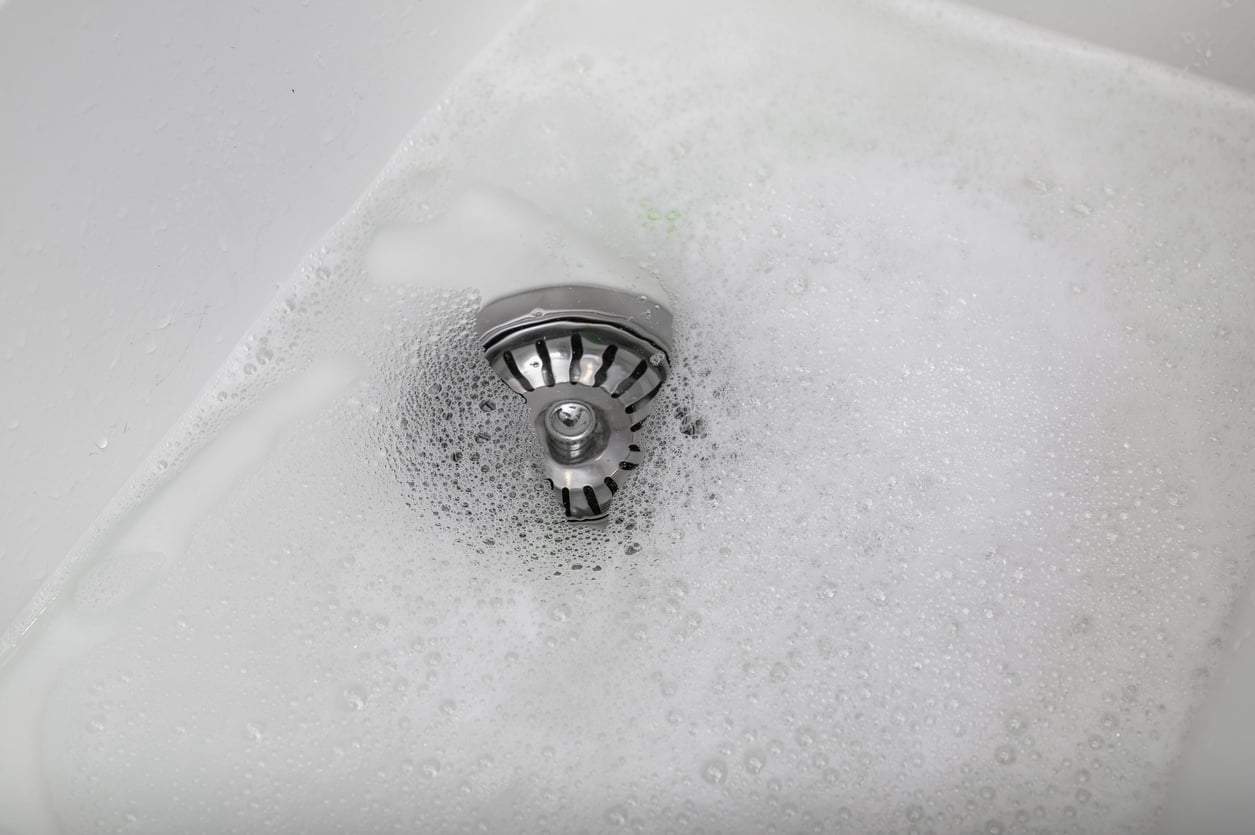
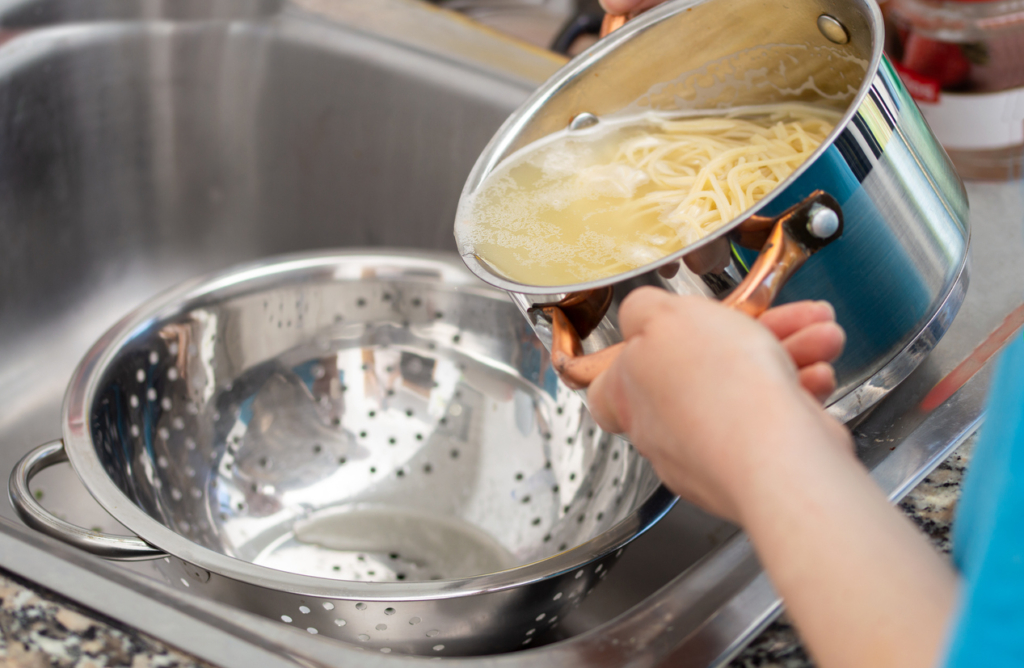
After a long day, when you finally drain your pasta, you probably don’t think twice about where the hot water goes. Most of us just pour it down the sink—because where else? Plus, the internet is full of "home remedies" claiming that a little boiling water can help clear clogs. But is that really true?
The answer might surprise you: boiling water can actually cause more harm than good, especially in modern kitchens, warns Southern Living. If you’re not careful, you could end up facing a costly plumbing problem.
What Happens to Pipes When You Pour Boiling Water Down Them?
Older, thick-walled metal pipes (like cast iron or copper) can handle high heat better and were common in homes years ago. But in recent decades—especially in renovated or newly built homes—PVC (plastic) pipes have become the standard. These are much more sensitive to heat.
Boiling water, especially when freshly boiled (reaching 212°F or 100°C), can seriously damage PVC pipes. These plastic pipes are usually designed to handle temperatures around 140°F (60°C)—the typical hot water temperature from your tap. Boiling water is much hotter, and pouring it down regularly can:
- soften the pipes,
- warp or weaken pipe joints,
- break down the glue seals,
- and even cause leaks or pipe bursts.
It’s especially risky if your drain is slow or partially clogged, because the pipes stay exposed to the heat longer.
Pasta Water Doesn’t Clean—It Can Make Things Worse
Many believe pasta water is harmless or even helpful for pipes: “It washes away grease and cleans the drain.”
This is a common myth. While heat can melt grease, it just moves it further down the pipe where it can harden again and cause tougher clogs in harder-to-reach spots.
Plus, if there’s already a clog, boiling water can actually make it worse: the grease can solidify and cause a full blockage.
What to Do Instead of Pouring Boiling Water Down the Sink
- Wait a bit!
If you’ve boiled water and don’t want to pour it down right away, let it cool for 10–15 minutes first. Then it’s safe to pour down the drain. - Run cold water while pouring.
If you’re in a hurry, run cold water as you pour the hot water. The cold water cools things down and protects your pipes. - Never pour oil or grease down the drain.
This rule is golden: no fats, oils, or grease should ever go down your drain! They stick to pipe walls and cause blockages. Collect them in a container and throw them in the trash or take them to a recycling point. - Try simple tools first if you have a clog.
If water drains slowly, don’t reach for harsh chemicals right away! Use a drain snake or a drain cleaning stick to remove hair, food scraps, and grease buildup. These tools are easy to use, safe for pipes, and often solve the problem. - Don’t mix home remedies.
Baking soda and vinegar are popular, but they don’t always work and can sometimes cause harm. If you’ve tried them without success, don’t pour boiling water on top—call a professional instead. - Use natural, enzyme-based drain cleaners.
Enzyme cleaners break down food and grease without damaging pipes or harming the environment.
When to Call a Plumber
If you’ve tried everything and water still won’t drain, don’t wait for the problem to get worse! Stubborn clogs or pipe damage usually cost way more to fix than calling a pro early.
Pro tip: Schedule preventive drain maintenance at least once a year, especially if you cook often.
Don’t Burn Out Your Drain!
Boiling water might seem like a quick fix, but it’s no miracle cure for your drain. In modern kitchens, it’s more like a ticking time bomb. With a little care and these practical tips, you can keep your pipes healthy and avoid costly, unpleasant surprises for years to come.