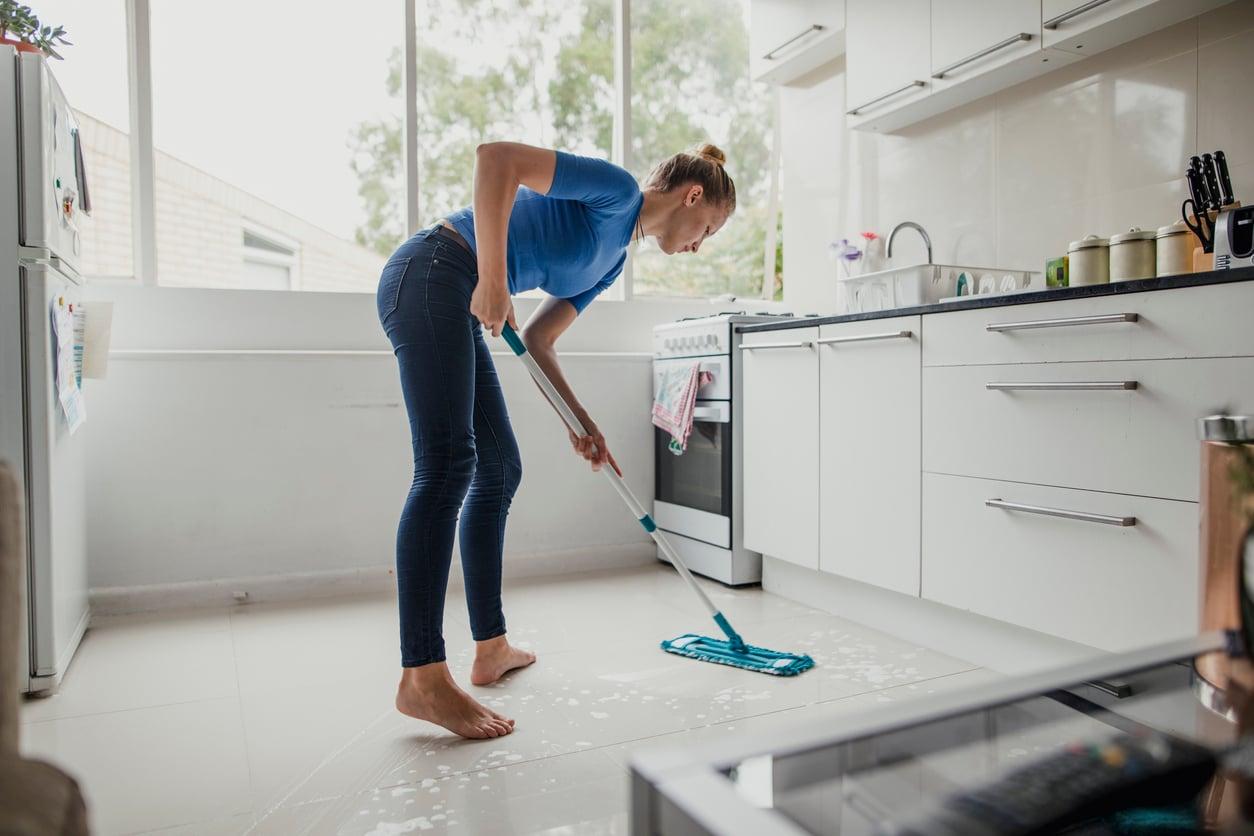
Floors collect a surprising amount of dirt every day—from shoe soles and pet paws to crumbs, dust, grease stains, and spilled drinks. No wonder the mop often comes out, especially in colder months. But have you ever thought about how water temperature matters? Hot isn’t always best, and cold isn’t just a backup plan. Let’s explore when to choose which!
When to Mop with Cold or Lukewarm Water
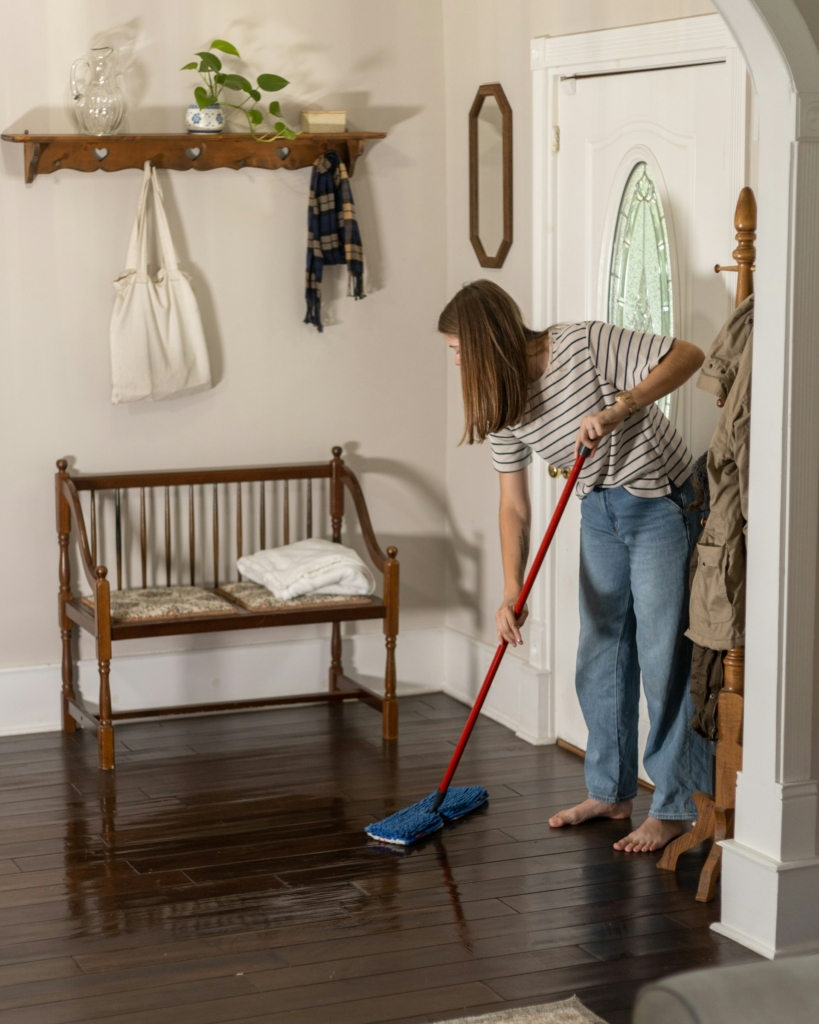
Many of us assume cold water doesn’t clean well—but that’s not true. Certain floor types actually appreciate it when you avoid scalding heat. Laminated, vinyl, and wood floors can get damaged or warped by excessive warmth. So, for these, stick to lukewarm or cold water, especially paired with a pH-neutral cleaner.
Cold water also has the perk of leaving no streaks or spots, which is a lifesaver on shiny surfaces. Plus, on hot summer days, refreshing your floor with cold water can cool you down a bit while you clean.
When Hot Water Is the Better Choice
If you’re tackling greasy spots or sticky sauce spills in the kitchen, hot water is your best friend. Warmth helps break down grease and loosens dirt faster. Think about how much easier it is to wash an oily pan with hot water—the same goes for your floors.
Hot water also boosts your cleaning products’ power. Active ingredients like grease-fighting molecules work faster with a little heat, making stubborn grime give up more easily.
Why Hot Water Isn’t Always the Answer
It’s important to know that even though hot water seems super effective, not all floors can handle it. Wood can swell, laminated edges may curl, and shiny surfaces might dull over time. Always check your cleaner’s label and consider your floor’s material. Sometimes lukewarm water is the safer bet.
Pro Tips for Mopping Like a Pro
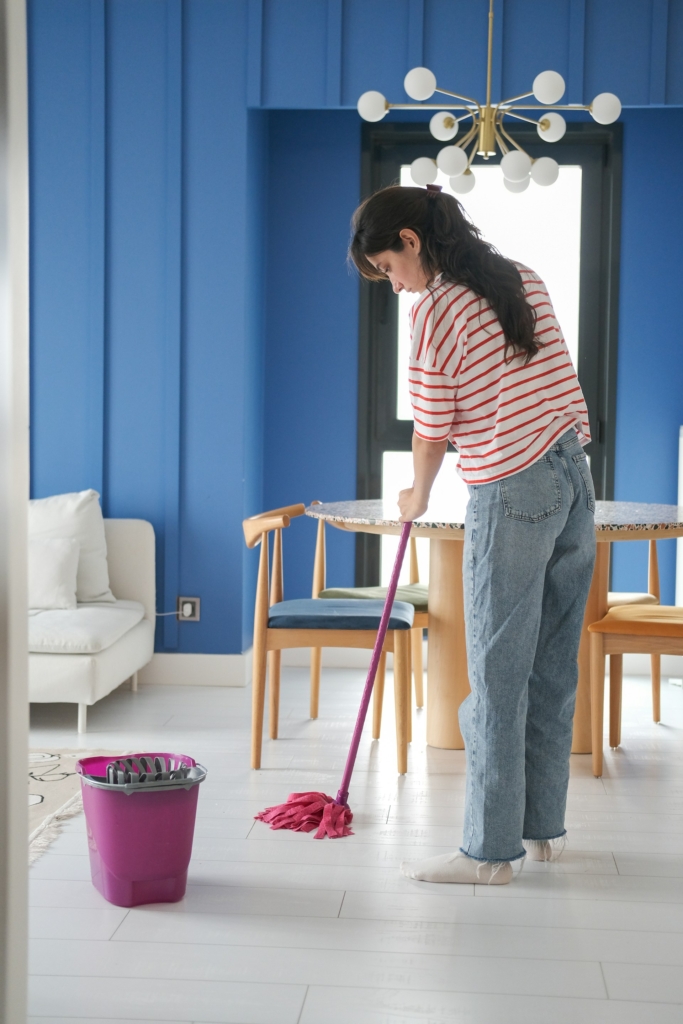
Always sweep or vacuum first: This keeps dirt and sand from scratching your floor as you mop.
Use two buckets: One for soapy water, one for clean rinse water. This way, you won’t spread dirt back onto the floor.
Work in sections: Start in one corner and move toward the door to avoid stepping on freshly cleaned areas.
Don’t mix cleaners: Some combos can be risky, plus most floor cleaners are strong enough on their own.
Wring your mop well: Too much water leaves floors wet longer and can damage wood or laminate.
Dry mop if needed: Use a dry mop head or microfiber cloth to prevent swelling and mold.
There’s no one-size-fits-all rule: water temperature depends on your floor type and the mess you’re dealing with. Cold water is gentle and safe, while hot water is great for cutting through grease.