“Just a spoonful,” “I had nowhere else to put it,” or “it’ll wash away with the water anyway.” These are common excuses for pouring oil or fat down the drain, but just because the mess disappears under the sink doesn’t mean the problem is gone — and if you’re not careful, it can come back to bite you hard over time.
What Happens When You Pour Oil Down the Drain?
When you pour hot oil or fat into the drain, it might seem like no big deal at first. Since fat is liquid when warm, it goes down with the water, right? Unfortunately, the truth is quite different: as it cools, the oil solidifies and sticks to the inside of the pipes, slowly building up layers. This sticky fat acts like a gluey “insulation” that traps food scraps, dirt, and grime.
Over time, it almost blocks the pipe, slowing drainage and eventually causing clogs or even complete blockages.
And the trouble isn’t limited to your kitchen: fat can build up throughout your entire drain and sewer system, forming blocks. This causes not only home plumbing issues but can also lead to unpleasant backups, odors, and blockages in shared sewer networks.
The Dreaded Sewer Monster: The Fat Blockage
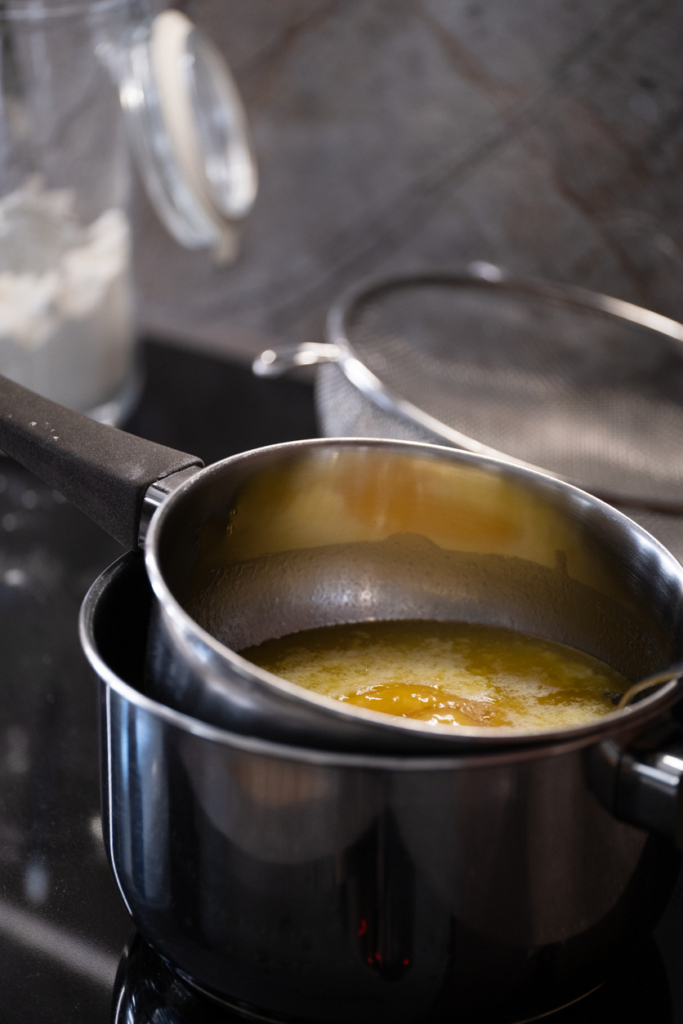
Hot oil or fat behaves like any other liquid, but as it cools inside the pipes, it starts to harden. At first, it forms a thin layer on the pipe walls, but over time, this layer thickens and glues together all other debris: food scraps, soap residue, hair — all sticking together and creating a growing mass.
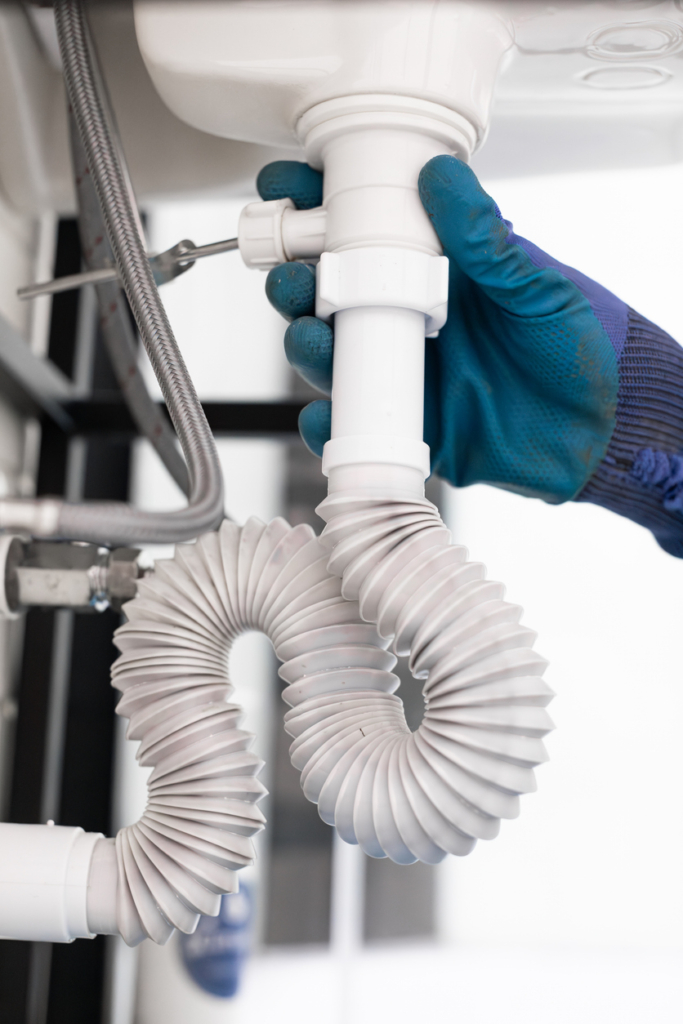
Once this buildup starts, you can’t avoid paying the price: drain cleaning tools, chemicals, or professional plumbers aren’t cheap. Long-term buildup can also cause odors, bacteria growth, and corroded pipes, leading to even more expenses.
The Problem That Goes Beyond Your Home
When oil or fat enters the drain, it doesn’t just settle in your home’s pipes. This fat eventually reaches city sewage systems and treatment plants, where it can cause serious long-term issues. The accumulated fat can form massive blockages that take weeks to clear and come with huge costs.
And if that’s not enough: fat is harmful to the environment. If some passes through treatment plants, the oil film on water blocks oxygen from aquatic life, damaging the whole ecosystem.

What Should You Do With Oil?
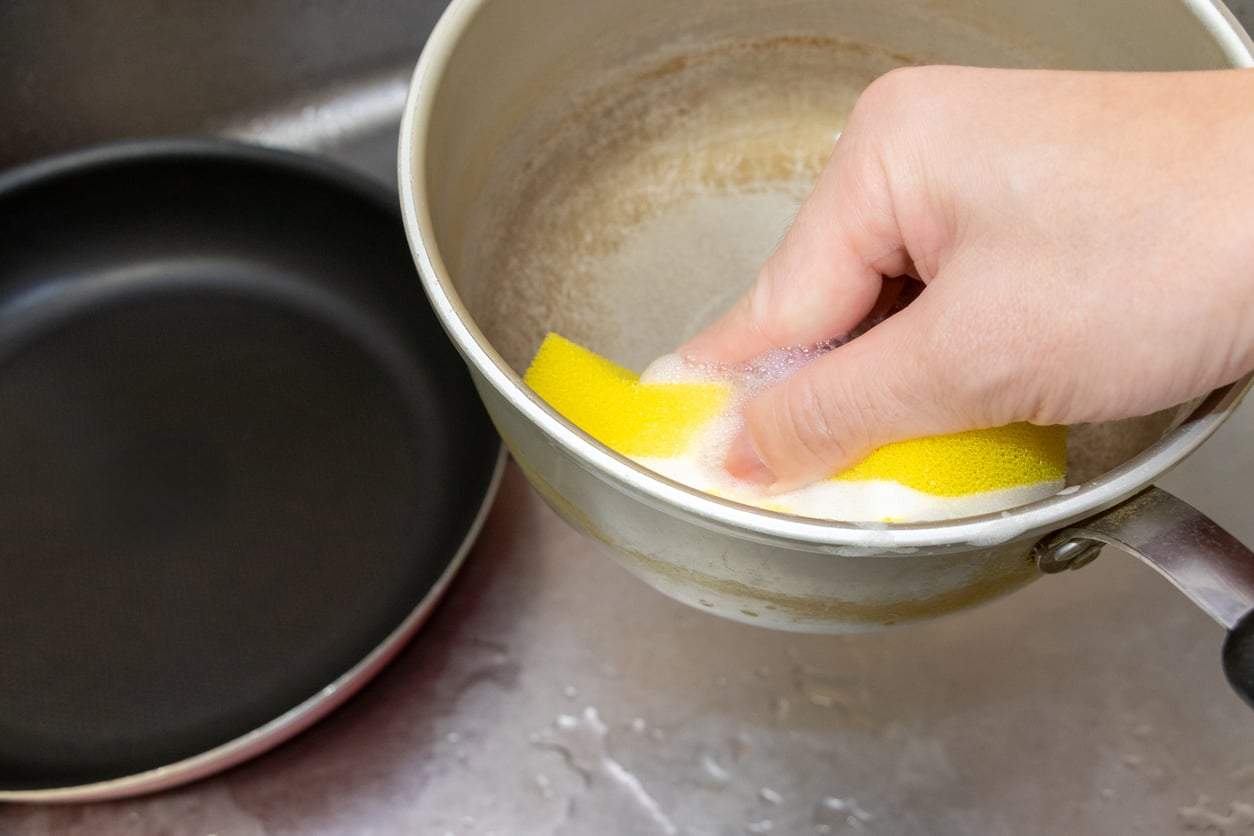
Here’s the good news: it’s easy to stop oil from entering your drains and pipes. After use, let the fat cool and collect it in a separate container, then drop it off at your nearest used oil recycling point. Wipe used pans or pots with a paper towel before washing, and toss the towel in the trash.
Quick Help If Oil Gets Down the Drain
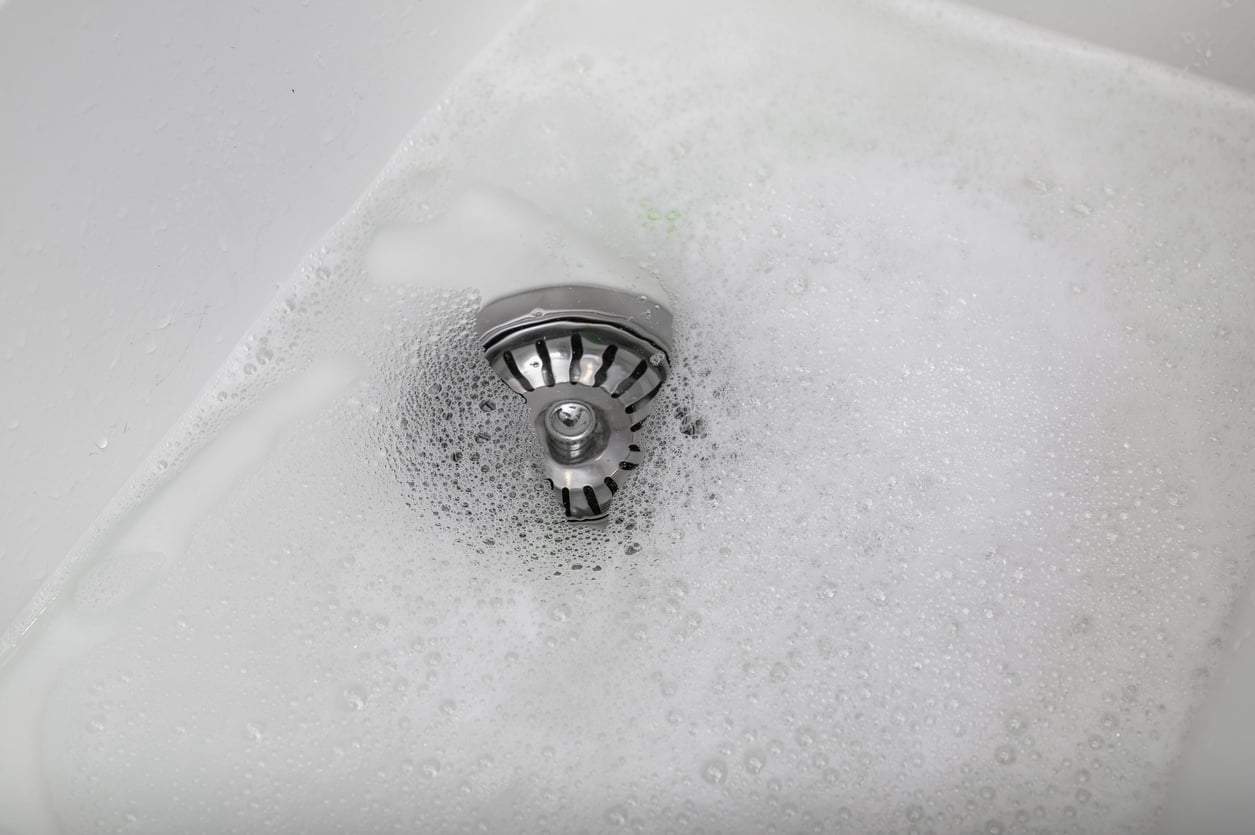
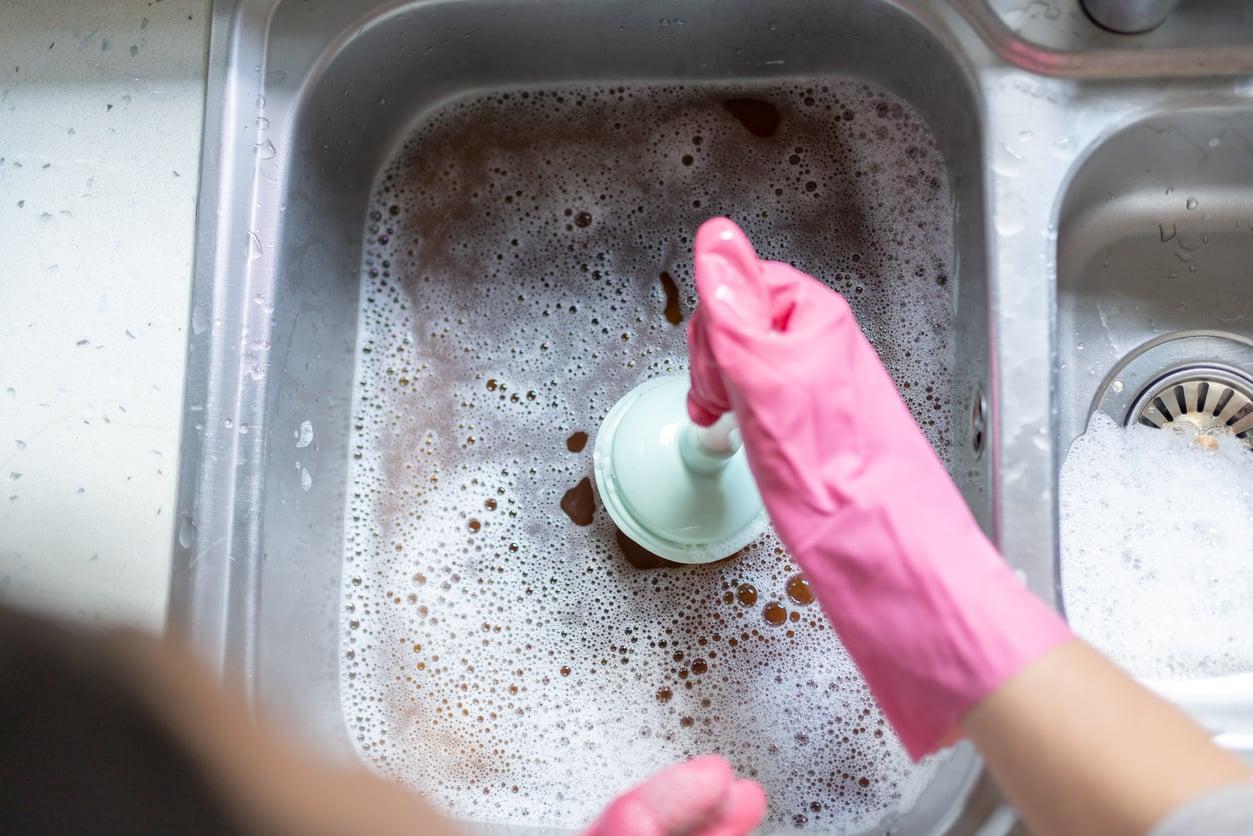
If oil accidentally goes down the drain, immediately run hot water and dish soap through the pipe. This can help prevent the oil from solidifying right away on the pipe walls. While this isn’t a permanent fix and won’t stop environmental harm, it might keep the fat from sticking inside your kitchen pipes.