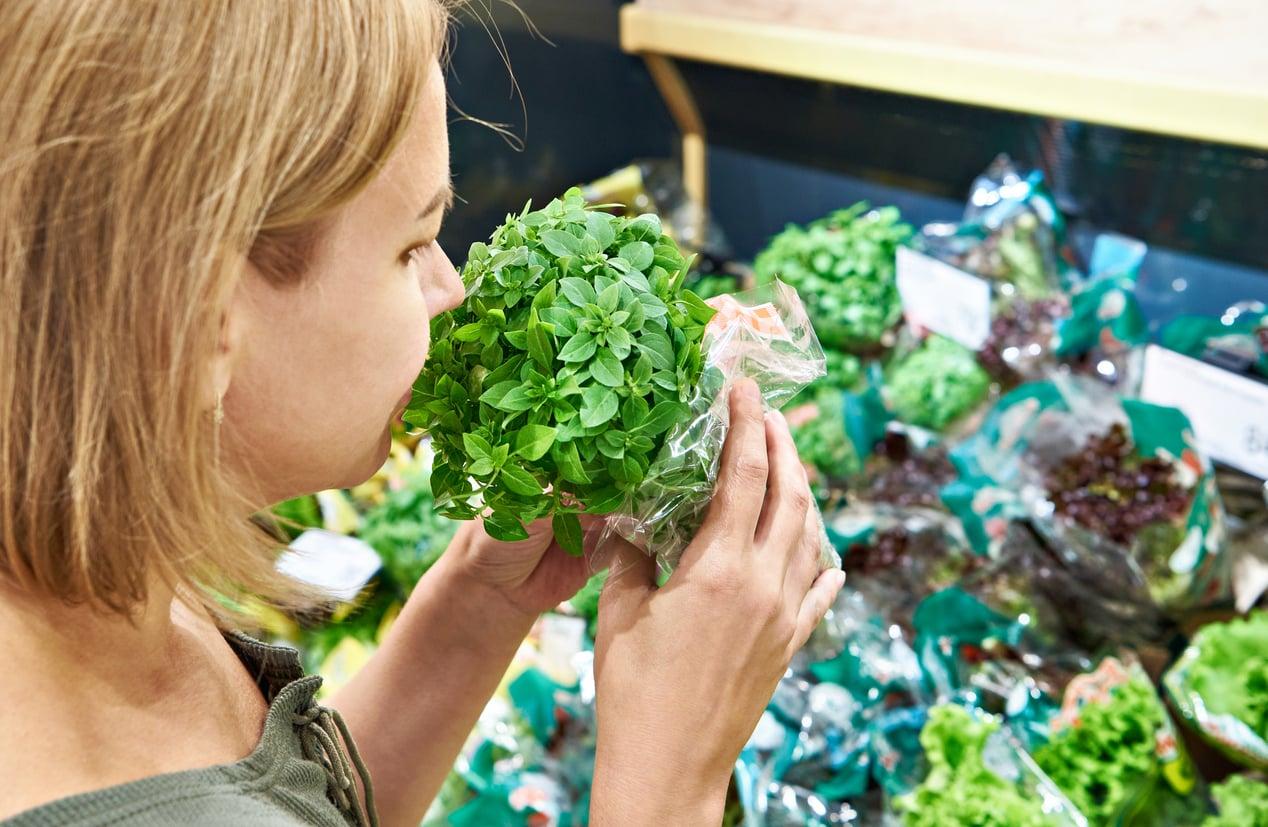
You bring home a lush, fragrant pot of basil or parsley, set it on the windowsill — and within two weeks it's yellowing, drooping, and basically dead. Sound familiar? You're not doing anything wrong. The problem starts long before you get to the checkout.
Supermarket herbs are grown to look good on a shelf, not to survive in your kitchen. But with a few small changes, you can turn that sad little pot into a thriving herb that keeps giving for months.
The light trap: your windowsill might not be enough
Most herbs are sun-lovers. They do best in bright, south- or west-facing windows where they get several hours of direct light each day. If the leaves start to look pale or the stems stretch awkwardly toward the window, that's a classic sign of light starvation.
While too much harsh afternoon sun can occasionally scorch leaves, the far more common problem indoors is simply not enough light. When in doubt, move your herbs closer to the brightest window you have.
That plastic pot is the first thing to change
Here's something most people don't realize: the small plastic container your supermarket herb comes in is designed for transport, not for growing. It's cramped, poorly draining, and the growing medium inside is usually cheap and nutrient-depleted.
A pot that's too small restricts root development, and the soil runs out of nutrients faster than you'd expect.
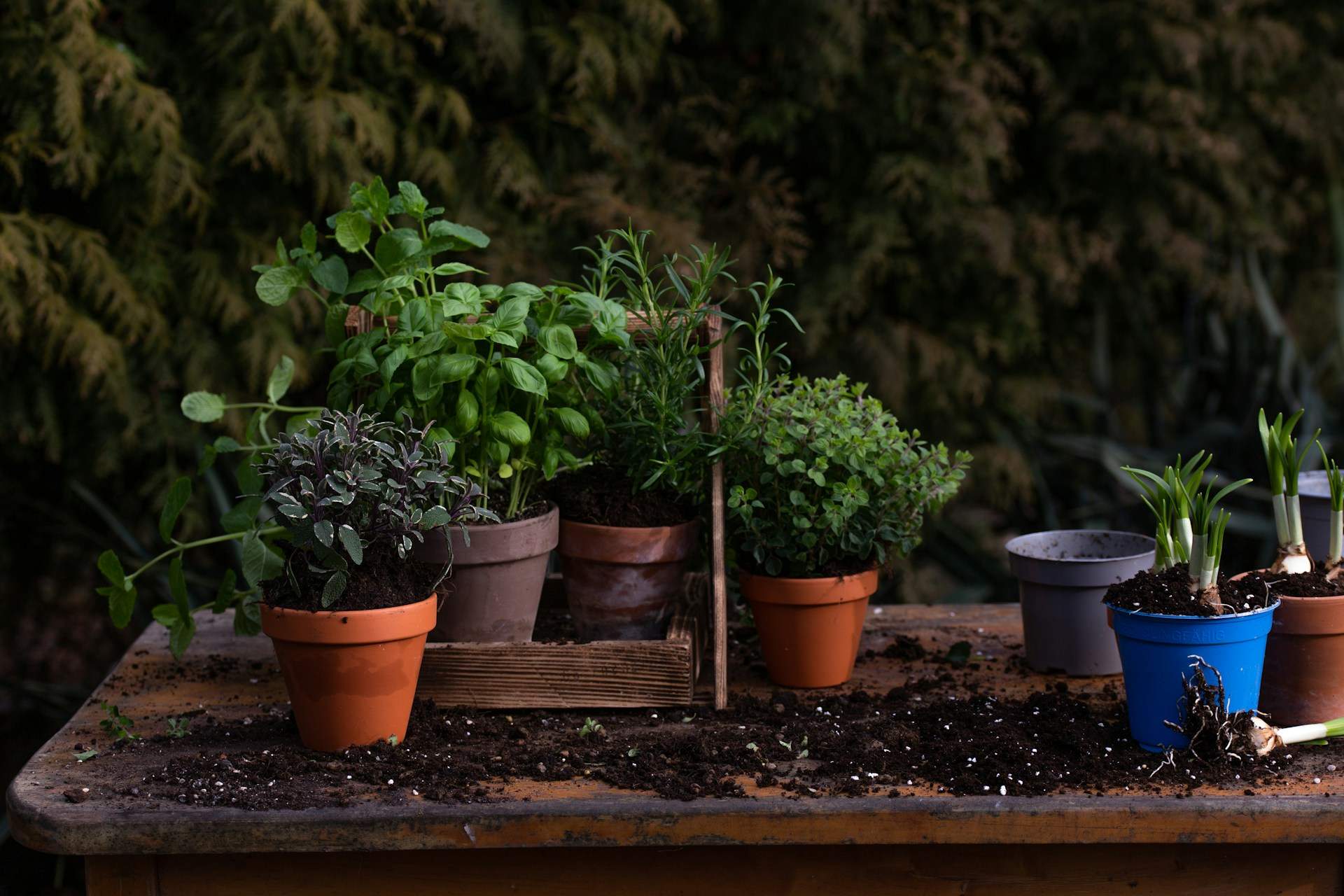
As soon as you get home, consider repotting your herb into a larger container with good-quality potting compost. This single step makes a bigger difference than almost anything else. The roots get room to spread, and the plant finally has the foundation it needs to grow properly.
Watering: the balance most people get wrong
Overwatering kills more herbs than underwatering. When the soil is constantly waterlogged, oxygen can't reach the roots — and they start to rot. But letting the soil dry out completely isn't good either.
The sweet spot: keep the soil lightly and evenly moist, but never soggy. A simple way to check is to press your finger about a centimetre into the soil. If it feels dry at that depth, it's time to water. If it still feels damp, wait another day.
This small habit alone can prevent both wilting and root rot — two of the most common reasons kitchen herbs fail.
Don't forget to feed them
Potted herbs are working in a limited amount of soil, and they burn through nutrients quickly. Without regular feeding, even a healthy-looking plant will slowly weaken and become sparse.
A balanced liquid fertiliser or an organic feed applied once a week or every two weeks is usually enough to keep herbs growing vigorously and producing plenty of leaves. Think of it as a small investment that pays off every time you cook. If you're building out a fuller kitchen herb garden, here's a guide to setting one up properly.
Humidity and temperature matter more than you think
Many popular kitchen herbs — basil, oregano, thyme — originally come from Mediterranean or tropical climates. They're used to warmth and humidity. In a centrally heated home, the air can get surprisingly dry, and that stress shows up as browning leaf edges and rapid wilting.
A light misting of the leaves every few days, or simply placing the pot on a tray with a little water and pebbles, can raise the local humidity enough to make a real difference.
Keep herbs away from cold draughts, air conditioning vents, and radiators. Stable, moderate warmth is what they thrive in.
A few small changes, months of fresh flavour
None of this is complicated. Repot early, find the sunniest spot, water mindfully, feed regularly, and keep the environment comfortable. Do these things, and the basil, parsley, or mint on your kitchen counter can stay healthy, fragrant, and productive for months — ready to elevate every meal you make.