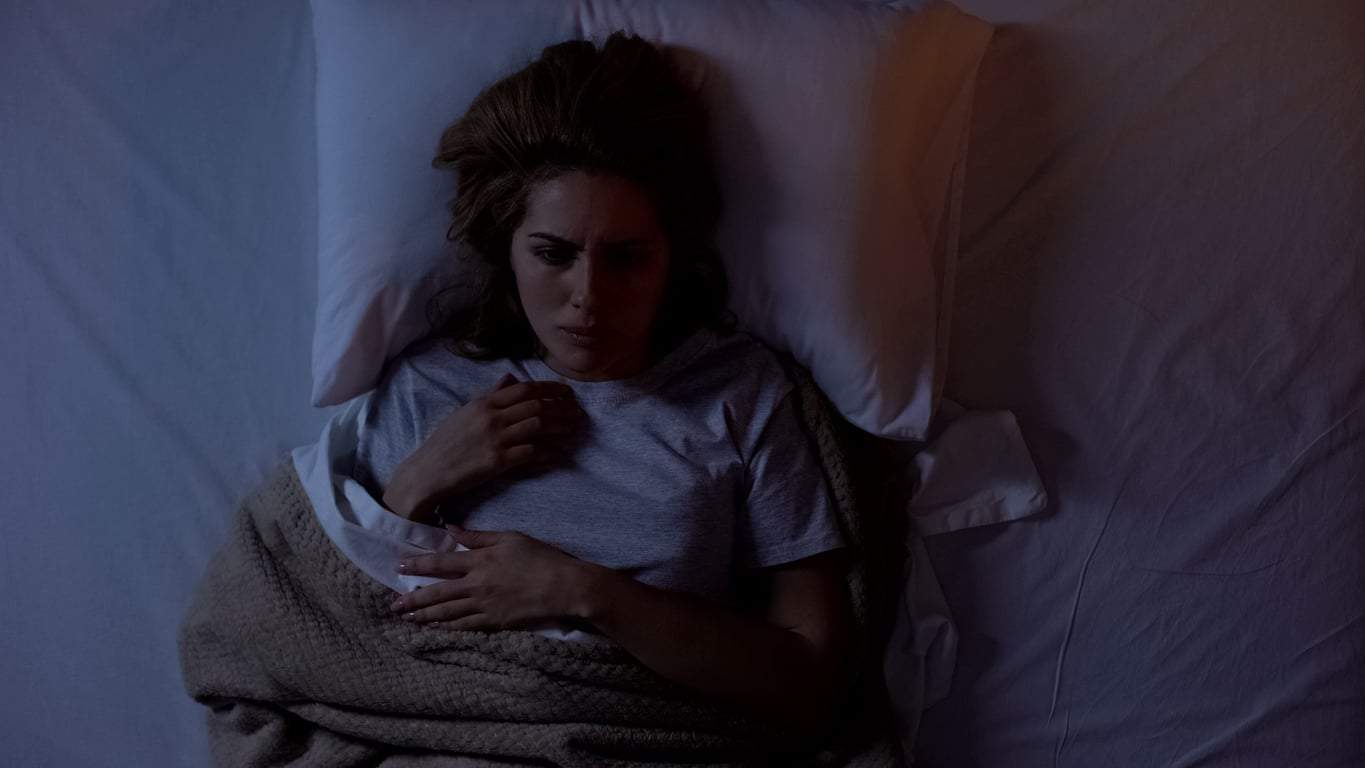
The Exhaustion Gap—Still Affecting Many
By 2025, almost every door should be open to us. Women can be doctors, scientists, even prime ministers. Social barriers are slowly losing their grip. Yet, household chores and childcare still fall mostly on women.
This double burden—known as Care Work and Mental Load by experts—is why women feel exhausted far more often than men, as highlighted by the German Cosmopolitan. In fact, burnout is also more likely among women.
This difference in mental and physical exhaustion between women and men is called the Exhaustion Gap. Working mothers especially carry this weight, juggling jobs, childcare, household duties, and family coordination all at once.
Why Is This Gap So Hard to Bridge?
Flexible work and remote office setups seem to make life easier—no more rushing to the office, and your schedule is more adaptable. But there’s a downside: work and personal life boundaries blur, leaving us almost always "on" and making true relaxation tough.
On top of that, societal hurdles remain. The Gender Pay Gap is still real, meaning many women carry extra financial pressure. This structural inequality adds to the mental load.

What Can You Do to Feel Better?
You don’t have to carry it all alone! Here are four powerful tips to help shrink the exhaustion gap in your life:
Set Boundaries and Speak Up!
It’s okay to admit you’re tired! In fact, being honest about your limits is crucial. Setting boundaries isn’t selfish—it’s self-care. At work and home, clearly communicate when you’ve reached your limit and need a break.
Don’t Let Every Task Land on You!
Mental load often comes from managing the household and family plans. Many women feel the weight of "invisible" tasks—like scheduling doctor visits, shopping, or coordinating kids’ activities. Talk openly with your partner or family and share tasks fairly. Trust me, your partner can do laundry and help with the kids too.
Learn to Say No!
This is one of the most important steps. If your day is already full, don’t hesitate to say no to extra plans or tasks. You’re not a superhero, and you don’t have to please everyone. Your time and energy are precious—use them wisely!
Make Time for Yourself!
This might sound stressful at first, but if you don’t recharge, exhaustion only deepens. Find small joys that truly refresh you—whether it’s a good book, a walk, a quick meditation, or a chat with a friend. These "me moments" are essential for your mental health.
Remember: You’re Not Alone!
The exhaustion gap affects many. But by taking small steps, learning to ask for help, say no, and care for yourself, you can reduce burnout and bring more joy into your life!