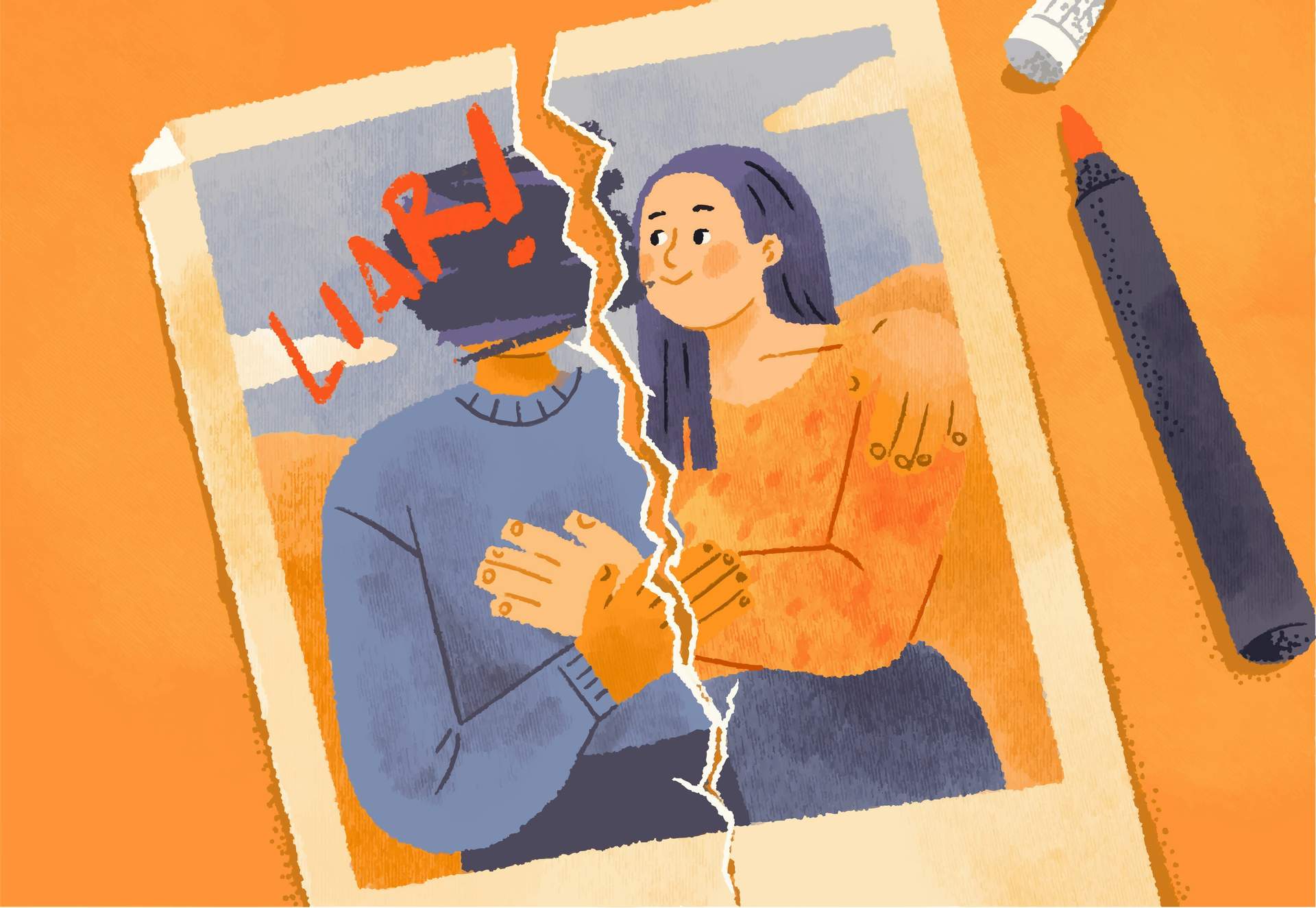
Men are rarely the first to admit something is wrong. They push through, deflect, and disguise their pain — sometimes so well that even the people closest to them miss it entirely. Depression in men often looks nothing like the tearful, withdrawn image we expect. It can look like rage, recklessness, or a six-pack of beer on a Tuesday night.
These are real stories from partners who noticed something was off — and eventually understood what it meant.
Self-destruction as a coping strategy
One woman described watching her boyfriend "treat" his unspoken depression with drugs. When she could see he was struggling, he'd reach for something to take the edge off — and consider the problem solved. He couldn't see that every time he did, he was sinking a little deeper.
Self-medication is one of the most common ways men cope with depression — and one of the most dangerous, because it creates the illusion of control while making everything worse.
Sudden risk-taking you can't explain
"I didn't recognize him anymore," another partner wrote. Her calm, steady boyfriend had transformed into someone who needed to win everything, compete with everyone, and push every limit. He'd race to the top of a hill on hikes, drive recklessly, and once nearly drowned racing her younger brother in open water — all in the name of winning.
She only understood later: that sudden, reckless behavior was a symptom of his depression. Today he's on medication and doing well. But for a long time, it just looked like a personality change she couldn't make sense of.
Physical pain with no clear cause
For one woman, the first clue was her partner's constant physical complaints. Everything hurt — but he couldn't say exactly where or what. No painkiller touched it. Doctors found nothing. It took time to connect the dots: unexplained, persistent physical pain is a well-known way depression manifests in men who can't — or won't — name what they're feeling emotionally.
Drinking more, always needing company
"He used to be the one I had to drag to work events," one woman wrote. "Now he's inviting near-strangers over just to have someone to drink with."
Her partner, once quiet and homebodied, had started going out constantly — and when friends weren't available, he'd create any excuse to drink with whoever was around. He even managed to get the gas engineer drunk during a routine visit.
She knew he was using alcohol to numb his depression. He just wasn't ready to admit it. If you've noticed a similar pattern in your partner, it may be worth reading more about how dependency and depression feed each other.
Irritability over nothing — and everything
Another partner noticed that her boyfriend had lost his sense of humor entirely. The smallest things could set him off for hours. His hobbies stopped interesting him. The new season of his favorite show — the one he'd been waiting years for — came out, and he couldn't care less.
When joy disappears and irritation fills its place, it's easy to think your partner is just being difficult. But persistent irritability, especially paired with a loss of interest in things they used to love, is a classic sign of depression that often goes unrecognized in men.
Exhausted, but never rested
One woman described a partner who was always tired — even after a full weekend of doing nothing. He'd lie in bed for hours but never sleep properly. He didn't have the energy to shower, walk the dog, or make himself a sandwich.
He felt guilty about it, calling himself a failure for not being able to help around the house. He was convinced something was physically wrong with him. It wasn't — it was depression, wearing the mask of physical exhaustion.
"He gets angry when I want to be intimate"
Perhaps the most painful account came from a woman whose husband only wanted sex on his own terms. When she initiated, he didn't just decline — he acted offended. For months, he showed no interest in being close to her, but if she expressed her own needs, it was treated almost as an insult.
She recognized other signs of depression in his behavior too. But he refuses to acknowledge any of it. In his view, mental illness is "a weakness of the younger generation" — not something that could ever apply to him.
This kind of denial is heartbreakingly common. Many men won't seek help until a crisis forces their hand — which is exactly why partners often carry the weight of noticing first. If something feels off, trust that feeling. Encouraging an honest conversation, or even suggesting a visit to a doctor framed around the physical symptoms, can sometimes open a door that pride has kept firmly shut.
Depression doesn't always look like sadness. Sometimes it looks like anger, restlessness, or a wall going up between two people who used to be close. Recognizing the signs is the first step — for both of you.