Bien Logo

Wood Ash in the Autumn Garden: Where It Helps, Where It Quietly Does Harm

Lena Hartley4 min read
Share:
Wood Ash in the Autumn Garden: Where It Helps, Where It Quietly Does Harm — Garden & terrace

Who likes it, and who really doesn't

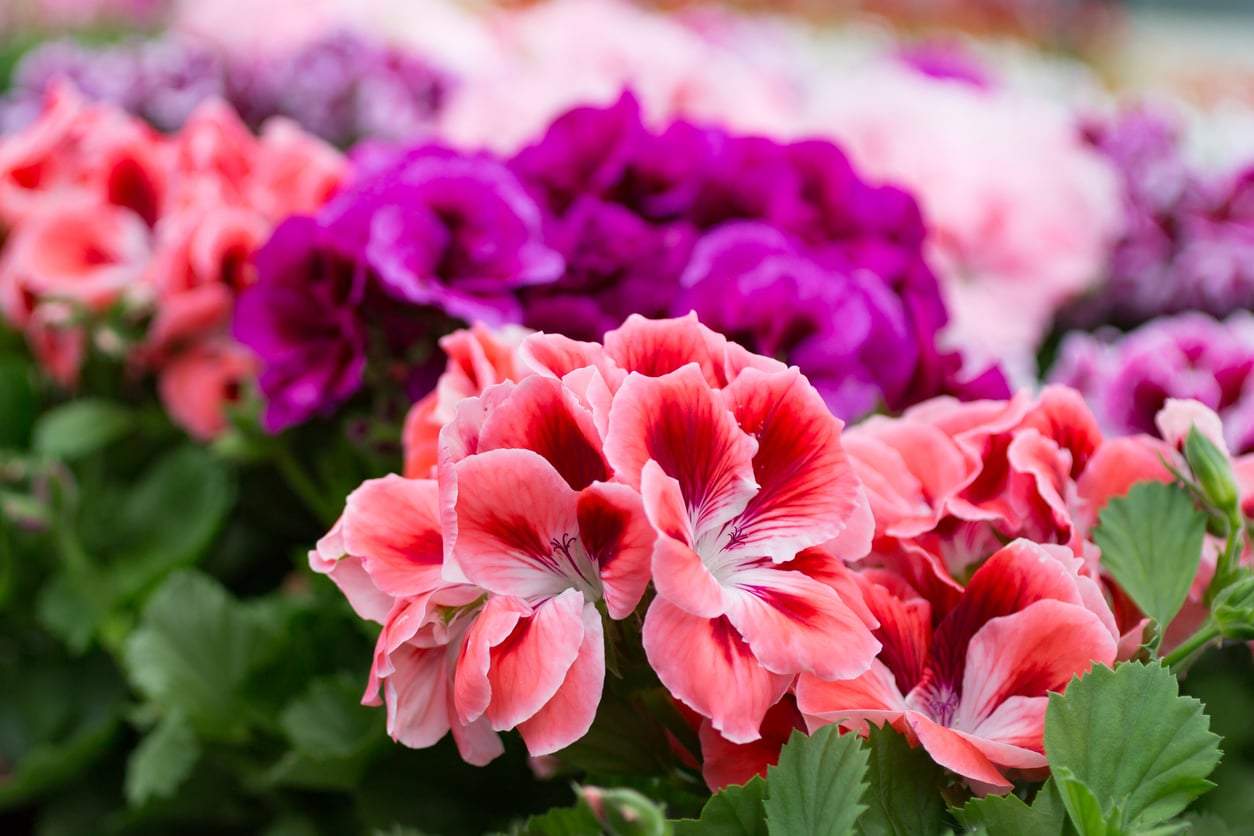
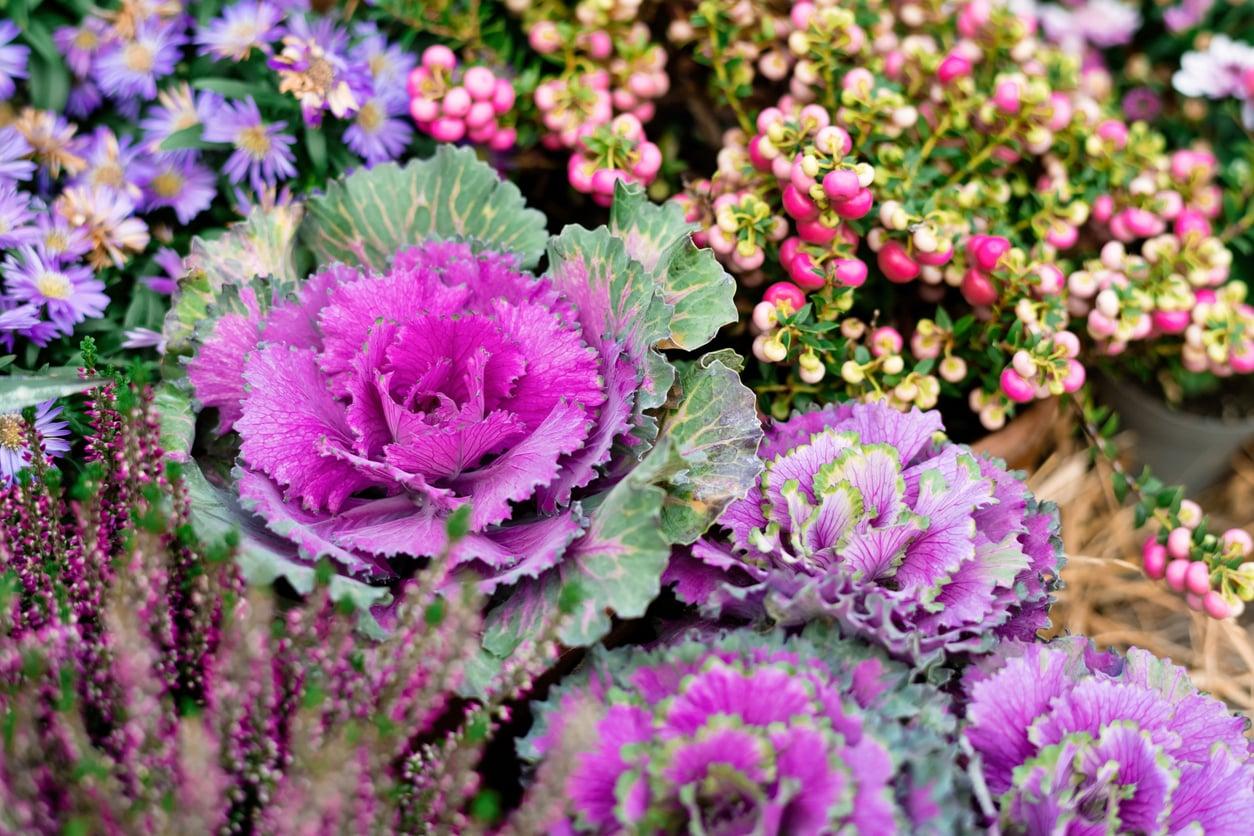
Potassium supports flowering and fruiting, so ash is most welcome around currants, gooseberries, apples and pears, and around roses, where a modest scattering in late winter is traditional. Brassicas — cabbage, kale, sprouts — tolerate and often appreciate the lime effect, since sweeter soil suits them and makes life marginally harder for club root. A very thin dressing on a tired lawn in spring is another reasonable use.

The no list matters more. Keep ash well away from blueberries, cranberries, rhododendrons, azaleas, camellias, heathers and anything else sold as ericaceous or acid-loving; for those plants, raising pH is actively damaging. Avoid it around potatoes, where alkaline conditions encourage scab on the skins. Keep it off seedlings and away from the base of young transplants, since the salts can scorch tender roots. And never mix ash directly with fresh manure or a high-nitrogen fertiliser — the combination drives off nitrogen as ammonia and wastes both.

Not all ash is garden ash

This is the part people skip. Only ash from clean, untreated wood belongs anywhere near food you intend to eat. That means logs, kindling and garden prunings. It does not mean coal, smokeless fuel, compressed briquettes with binders, barbecue charcoal, painted or varnished timber, treated fence panels, chipboard, glossy paper or anything that was once a pallet of unknown history. If you are not certain what went into the fire, put the ash in the bin.
Related reads

The October Garden Jobs That Pay You Back in Spring — and the One Worth Skipping — Garden & terrace

The October Garden Jobs That Pay You Back in Spring — and the One Worth Skipping

Late October is the month that quietly decides what your garden, balcony or windowsill looks like next April. Here is what is genuinely worth doing now — and the tidy-up habit you can happily abandon.

Lena Hartley•
The Plants You Can Save Instead of Replacing: A Balcony Guide to Overwintering — Garden & terrace

The Plants You Can Save Instead of Replacing: A Balcony Guide to Overwintering

Salvias, pelargoniums, fuchsias, dahlias — most of what looks finished right now is dormant, not dead. Here's how to carry them through to spring without a greenhouse.

Lena Hartley•
Next Summer's Garden Is Already Here — You Just Have to Take It — Garden & terrace

Next Summer's Garden Is Already Here — You Just Have to Take It

November is the month the garden gives plants away for free: divisions, cuttings, seed and self-sown seedlings. Here is what to lift, snip and save before the ground goes hard.

Lena Hartley•
The Last Green Tomatoes: How to Ripen Them Indoors — and What to Cook With the Rest — Garden & terrace

The Last Green Tomatoes: How to Ripen Them Indoors — and What to Cook With the Rest

The nights are cooling and half the crop is still hard and green. You do not have to lose it — here is how to ripen tomatoes off the plant, and what to do with the ones that never will.

Sofia Marlowe•
Make a Tiny Stop-Motion Film With Your Kids This Half-Term — Family

Make a Tiny Stop-Motion Film With Your Kids This Half-Term

Stop-motion animation is having a moment again, and it turns out to be one of the best rainy-afternoon projects a family can do — no equipment beyond a phone and a lot of patience.

Mira Calloway•
The Autumn Reading Reset: How to Start Finishing Books Again — Hobby

The Autumn Reading Reset: How to Start Finishing Books Again

Most of us have not lost the desire to read — we have lost the conditions for it. Here is how to rebuild a reading habit that survives contact with real life.

Elise Navarro•