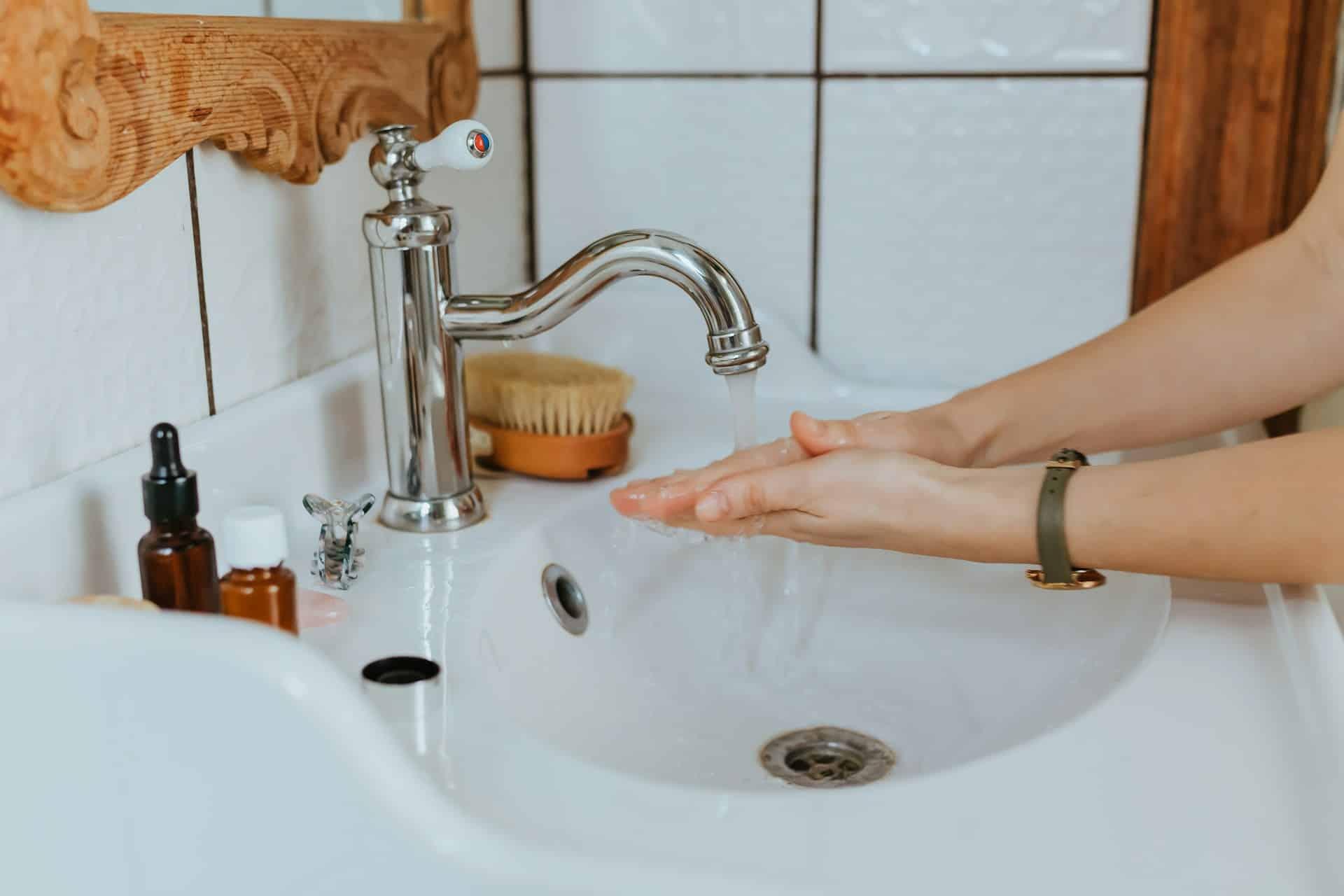
The Healthy, with expert input, once highlighted that washing your hands promptly after touching certain items is especially important. Dr. Katy Burris, a dermatologist at Columbia University, put it simply: “Regular handwashing literally saves lives.” But what are those everyday germ hotspots we should watch out for?
Cash
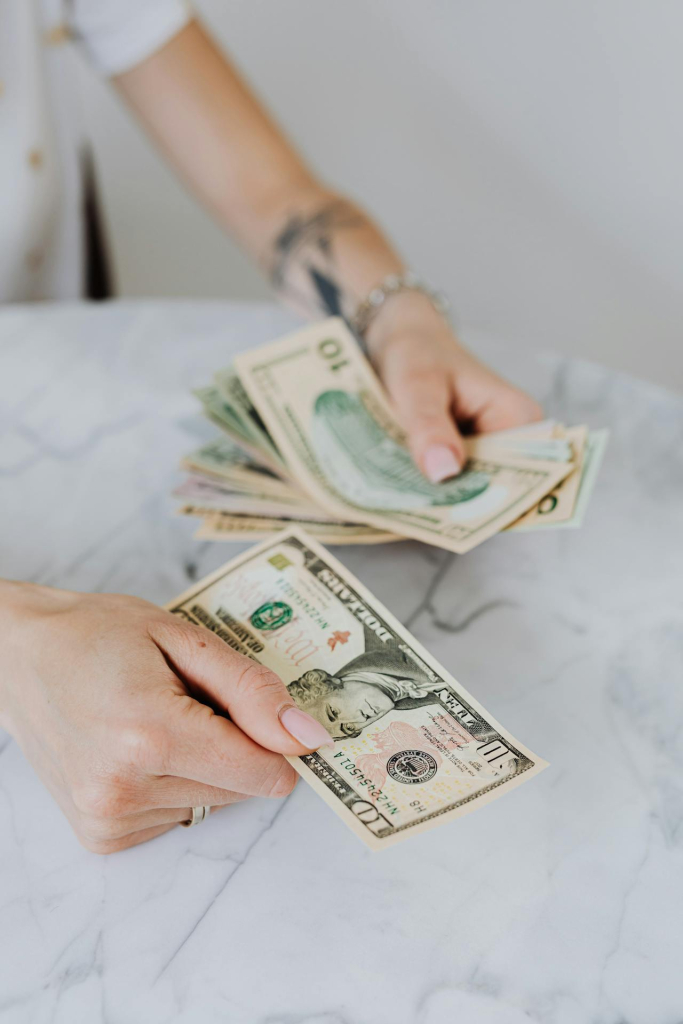
Even though cards are popular, many of us still use cash, and sometimes it’s the only payment option. Whatever cash you handle, wash your hands quickly afterward! A New York study found that one-dollar bills carry around 100 different microorganisms, including bacteria from mouths and other sources, plus animal DNA and viruses. Just think about how many hands any cash has passed through before reaching you—that’s a solid reason to wash up.
Handrails, Grab Bars, and Door Handles
Public transit is a real hand hygiene challenge. Dr. Burris warns that these surfaces see constant hand contact and can be loaded with germs. This includes escalator handrails, subway poles, and public restroom door handles. So always wash your hands after getting off any public transport!
Restaurant Menus

Surprisingly, university researchers found that a single menu can harbor up to 185,000 bacteria. Since servers and guests handle them constantly, menus become a hotspot for germs. Plan ahead, order quickly, then head straight to the sink to wash your hands!
Touchscreens and Vending Machines
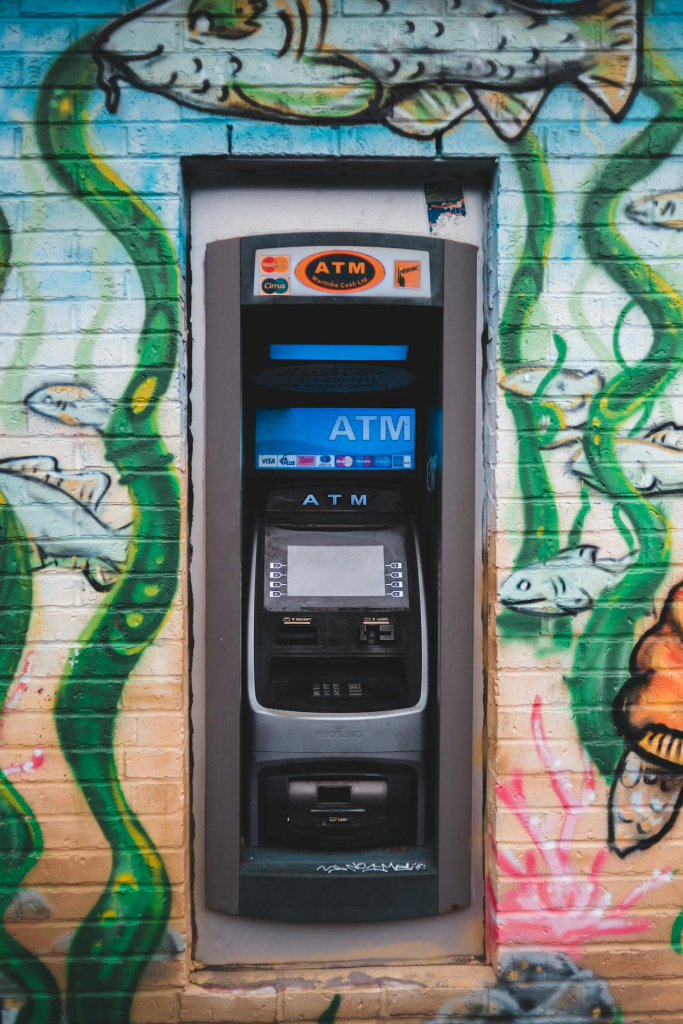
Whether at the airport or on public transport, don’t forget to wash your hands after using touchscreens! Dr. Burris points out these surfaces are among the worst for germs, especially when many people tap them. Your phone can be just as dirty, especially if you share it, so clean it regularly and wash your hands often after using it.
Other People’s Pens
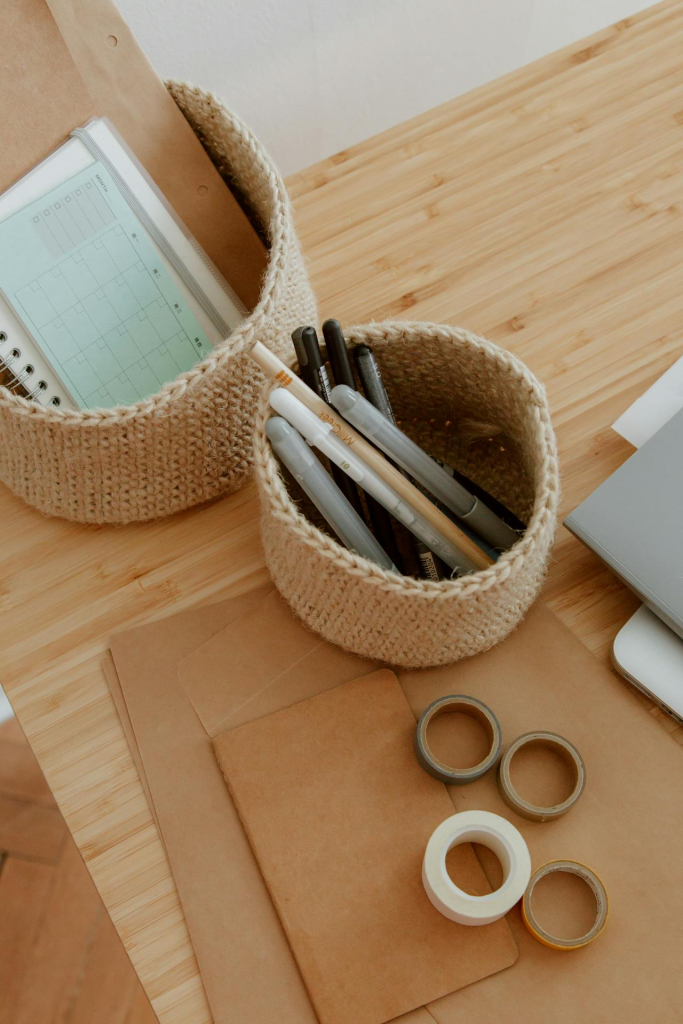
Did you know an office pen can carry ten times more bacteria than a toilet seat? Plus, many people chew on the caps... If you use someone else’s pen, wash your hands right afterward!
Soap Dispensers

Soap dispenser pumps, especially refillable ones, are often pretty dirty. Dr. Charles Gerba, a microbiologist at the University of Arizona, says they can even harbor more bacteria than a toilet seat.
Kitchen Cutting Boards and Sponges
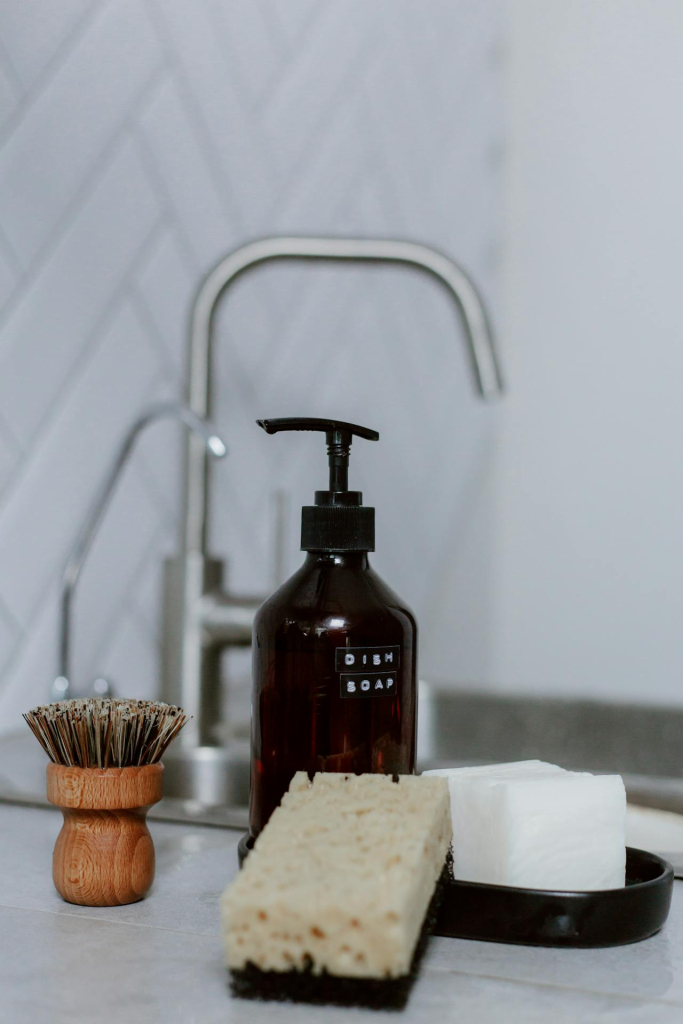
Your kitchen can also be a bacteria hotspot. One study found 326 different bacteria species on used kitchen sponges. Dr. Burris advises making handwashing your first step before and after cooking. Keeping your kitchen clean is just as important.
Animals

Whether it’s your pet or a friend’s dog or another animal, if you’ve touched, petted, or played with them, washing your hands afterward is key. “Animals can carry various diseases,” warns Dr. Nesochi Okeke-Igbokwe, an internist and head of SuperModelMD health advisory.
Medical Offices
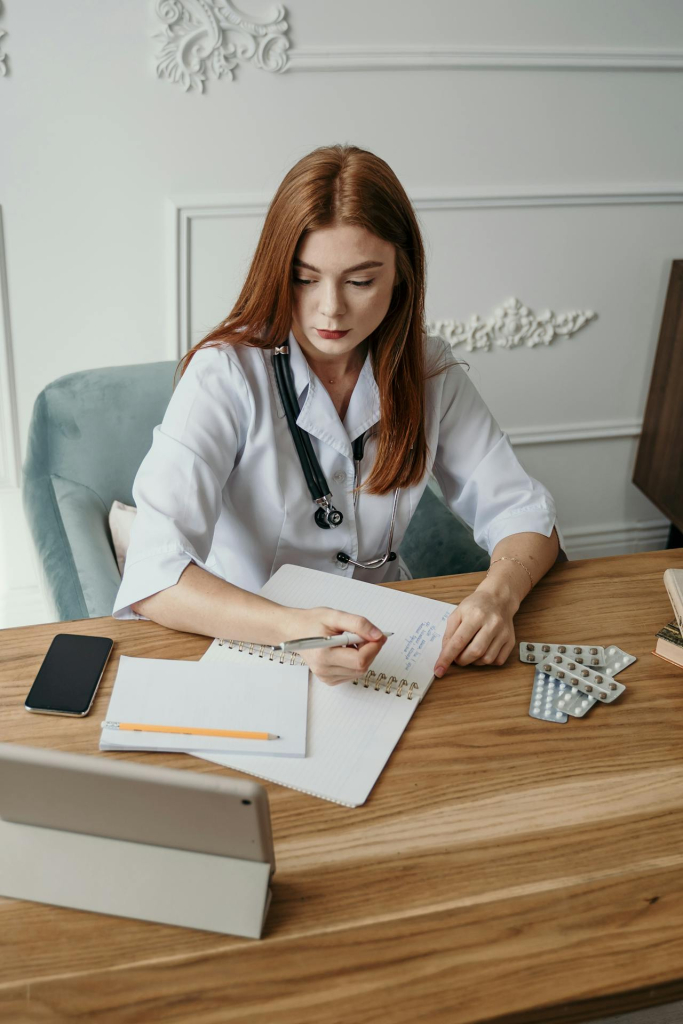
Medical offices see many patients, so items like the sign-in pen, waiting room chair arms, and door handles can be loaded with germs. One study found that an average office pen carries 46,000 times more bacteria than a toilet seat.
Almost Anything at the Airport
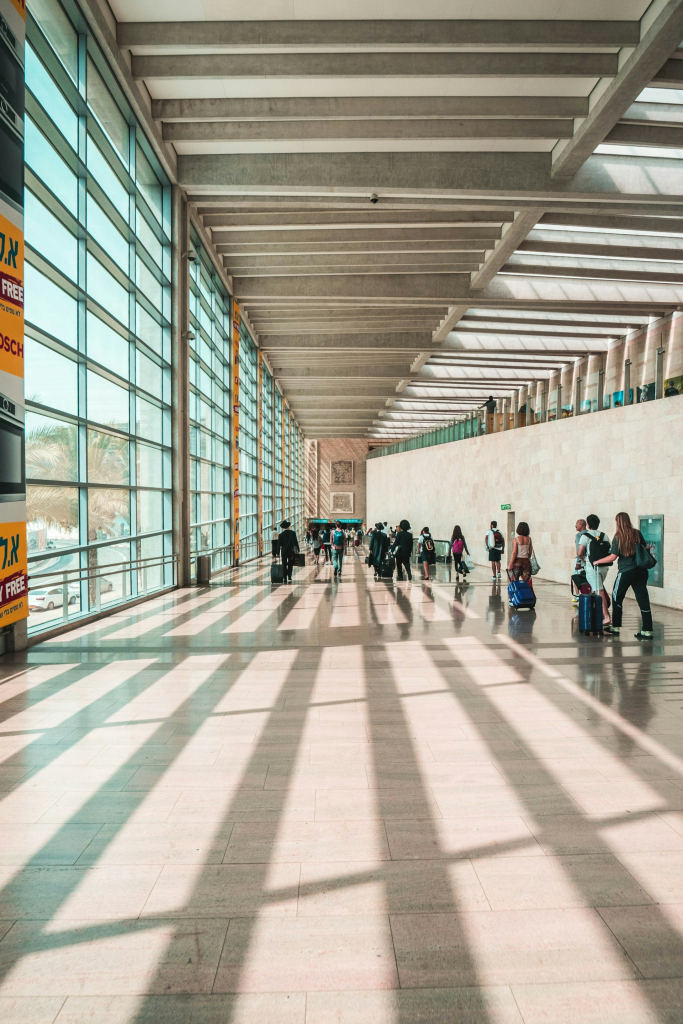
Plastic trays used at security checkpoints, faucets, and door handles are shared by millions of travelers yearly. Studies show trays are especially dirty since people place their shoes and bags on them. So wash your hands as soon as you can, and keep hand sanitizer or wet wipes in your bag for extra safety!
Finally, remember: handwashing isn’t just a habit, it’s your personal defense against illness. Dr. Burris says, “Simple soap-and-water handwashing can do a lot to reduce the spread of infections.” Keep this in mind and protect your health with regular handwashing!