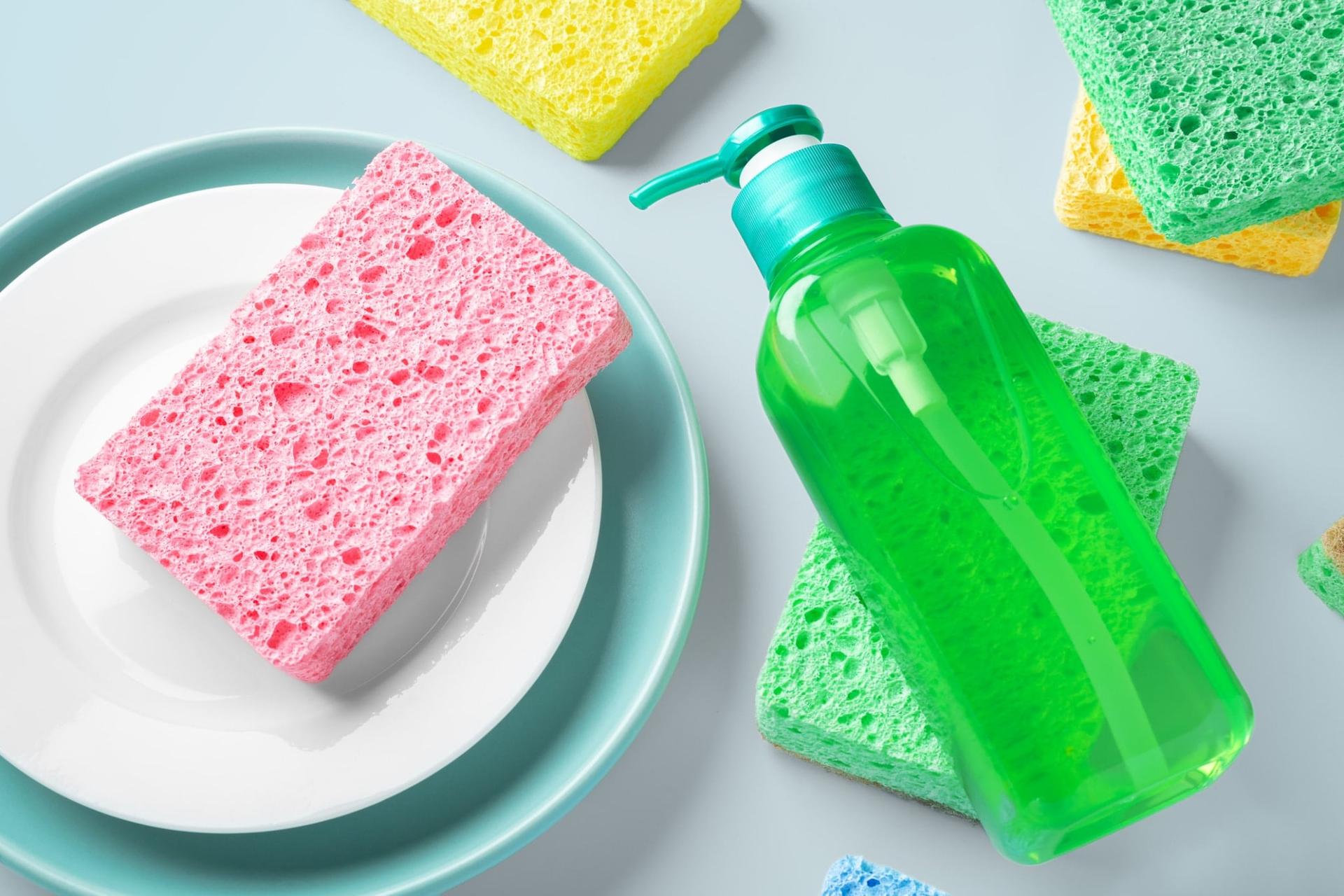
It looks harmless. You use it every day without a second thought. But your kitchen sponge might actually be one of the most bacteria-laden objects in your entire home — and most people have no idea.
Studies suggest that the average dish sponge can harbor more bacteria than a toilet seat. That's not a scare tactic — it's a good reason to rethink how you treat this everyday tool.
Why your dish sponge is a bacteria hotspot
Dish sponges are designed to absorb — and that's exactly the problem. They soak up food residue, grease, and moisture every time you use them, creating the perfect warm, damp environment for bacteria to thrive.
Pathogens like E. coli and Salmonella can multiply rapidly inside a sponge's porous structure. And every time you scrub a plate or a glass, those bacteria can transfer directly onto your dishes — and eventually into your body.
The moisture and warmth trapped inside a sponge are ideal conditions for harmful bacteria to multiply fast — often within hours of use.
How to reduce the risk
The single most effective step is also the simplest: replace your sponge regularly. Most experts recommend swapping it out every one to two weeks — or even more frequently if you cook and wash up multiple times a day.
Between replacements, there are two easy ways to keep bacteria under control:
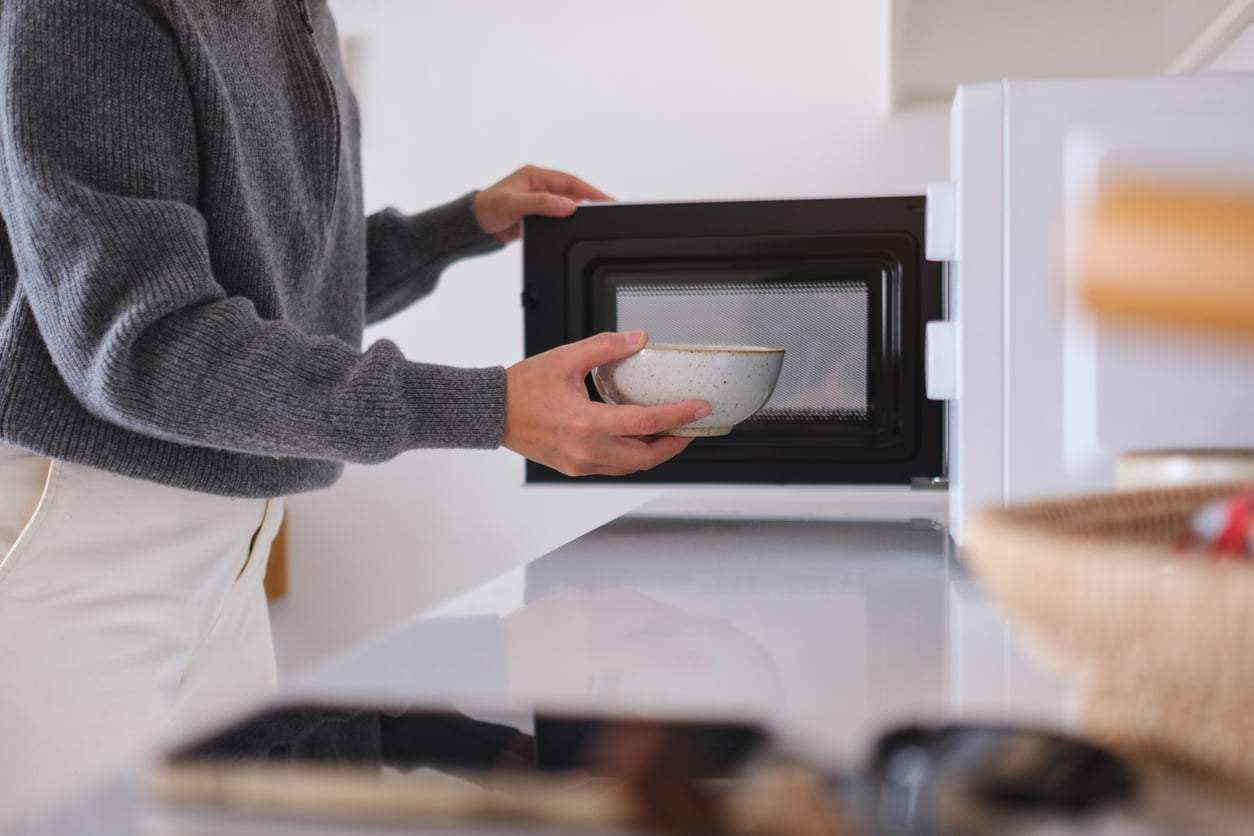
- Microwave method: Dampen the sponge thoroughly, then microwave it for about one minute. The heat kills a significant portion of the bacteria living inside. Never microwave a dry sponge — it can be a fire hazard.
- Dishwasher method: Toss your sponge in with a regular dishwasher cycle. The high-temperature wash is surprisingly effective at sanitizing it.
After every use, wring the sponge out completely and store it somewhere it can air-dry. Leaving a wet sponge flat on the sink is one of the fastest ways to encourage bacterial growth.
Choosing the right sponge
Not all sponges are created equal. Antibacterial sponges can offer an extra layer of protection, but they're not a substitute for regular cleaning and replacement — think of them as a bonus, not a solution.
If you're looking for a more eco-conscious option, loofah sponges made from natural plant fibres are worth considering. They're biodegradable, so when it's time to toss them, you're not adding more plastic waste to the world.
Whatever type you choose, the habits around it matter just as much as the sponge itself. A little extra attention to this small kitchen staple can make a real difference to the cleanliness — and safety — of your home.