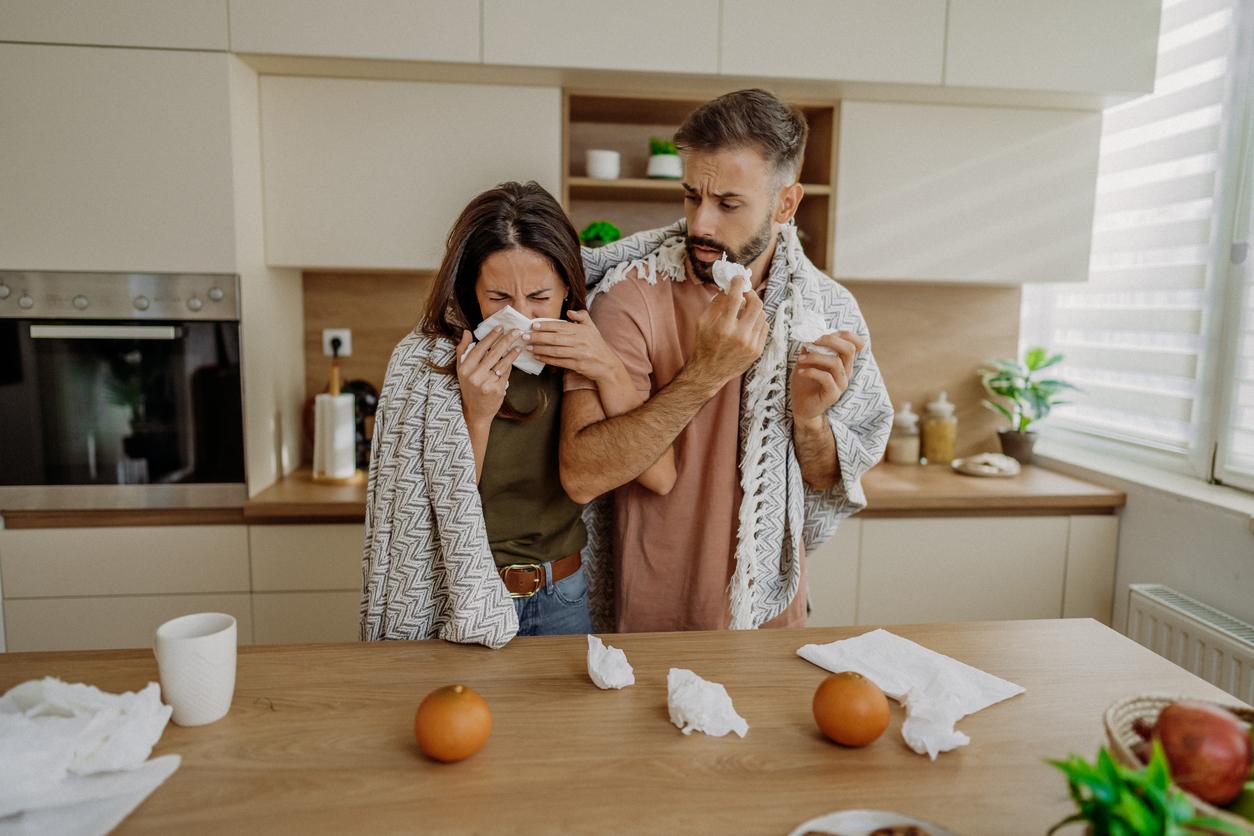
Unfortunately, spring sunshine doesn’t just bring out the violets—viral illnesses become much more common too. And if one family member falls ill, there’s a good chance others in the household will catch it as well.
When someone is down with the flu at home, the virus doesn’t just spread through the air—it can linger on surfaces too. Studies show germs can survive on certain objects for up to 48 hours, so thorough cleaning of frequently touched spots after recovery is essential.
The good news? You don’t need to disinfect the entire house—just focus on the key surfaces that get touched often.
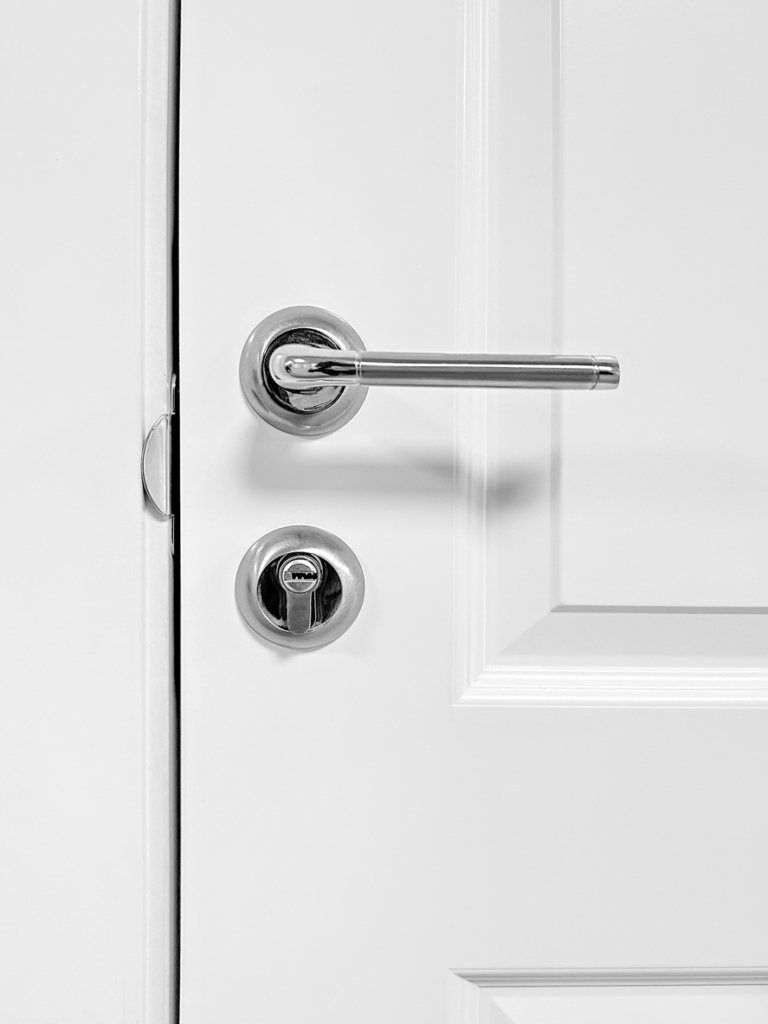
Doorknobs and Handles
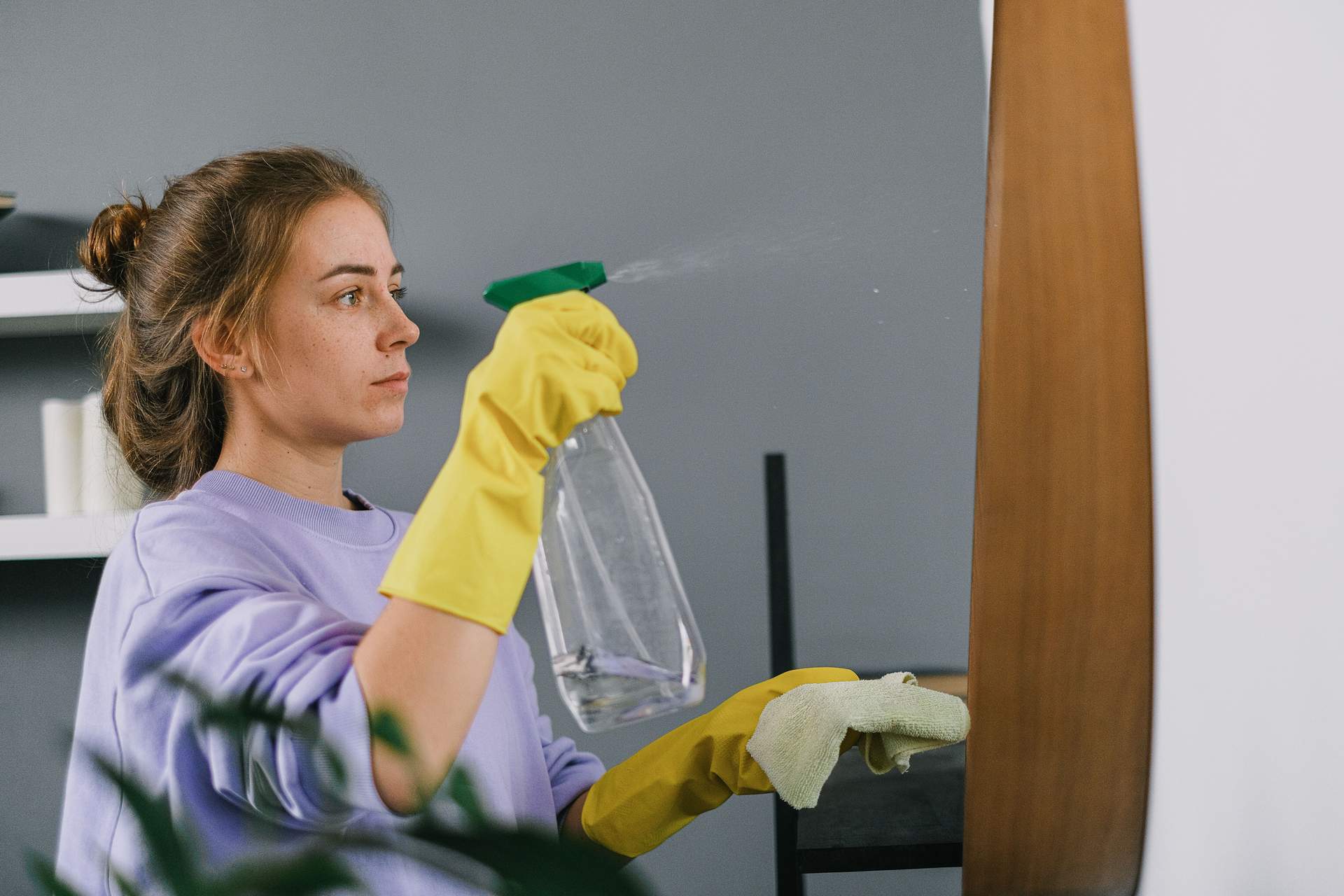
Doorknobs are some of the most frequently touched surfaces at home. When the sick person moves from their room to the bathroom or kitchen, they touch these handles every time, so viruses can easily settle on them. Wipe them down with disinfectant wipes or spray.
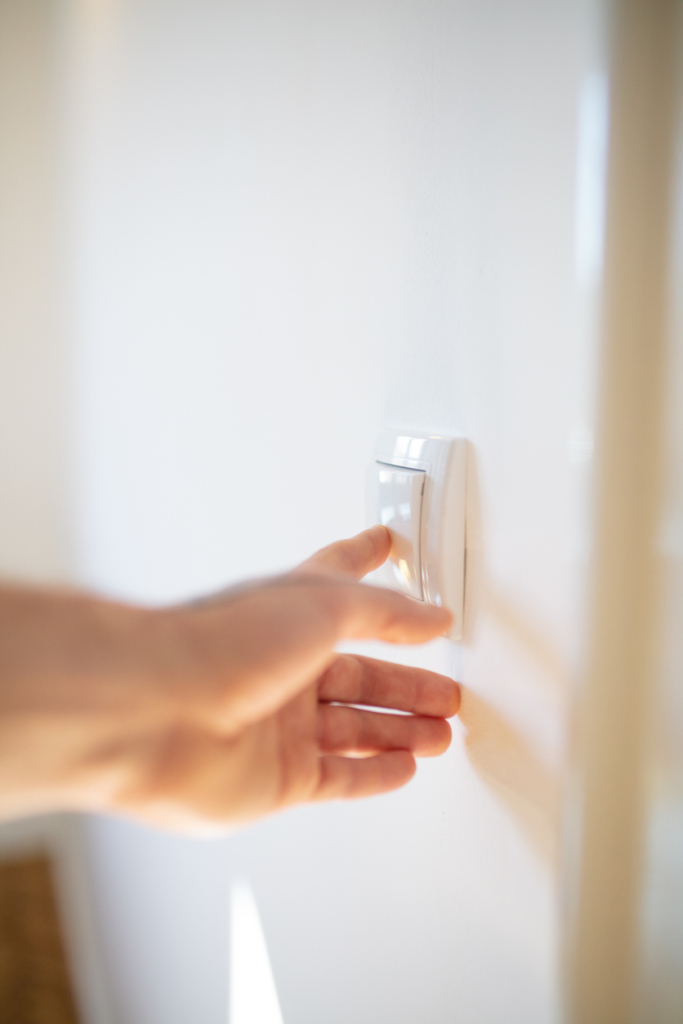
Light Switches
Light switches often get overlooked during cleaning, even though everyone uses them multiple times a day. A quick disinfecting wipe can make a big difference in stopping virus spread.
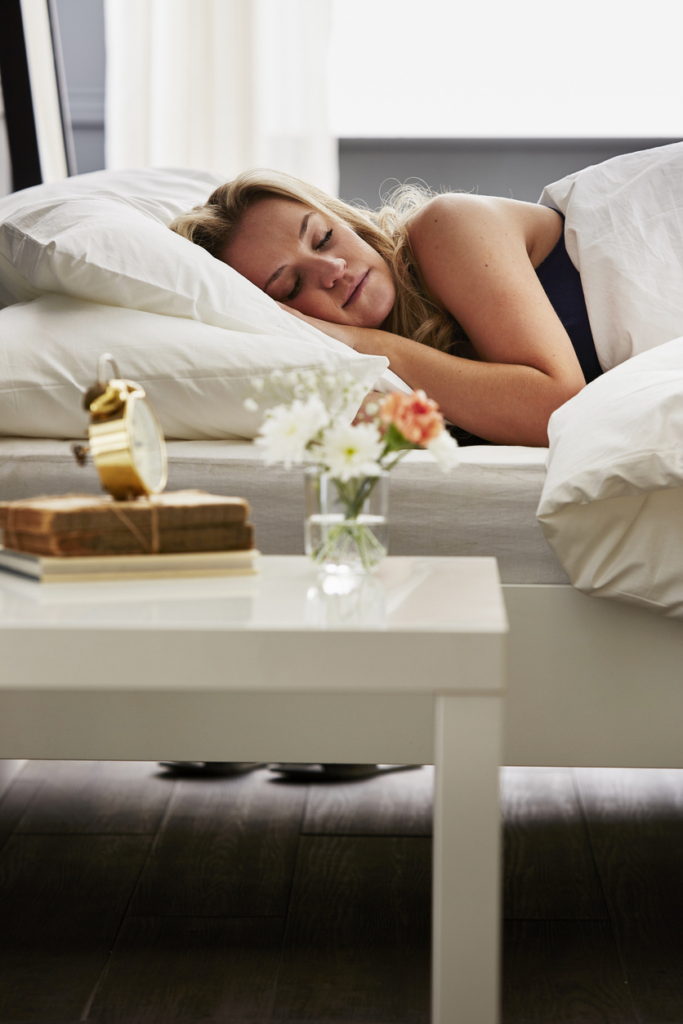
Nightstand and Nearby Surfaces
The sick person’s nightstand can become a real germ hotspot: tissues, medicine, a glass of water, and phone all end up there. Wipe these surfaces daily with disinfectant.
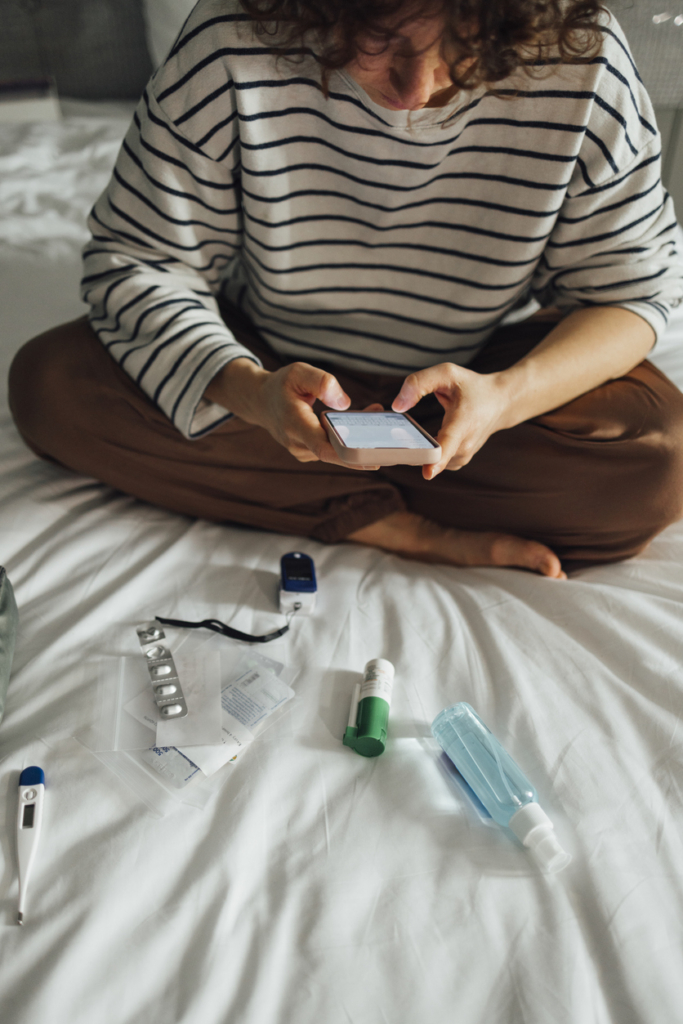
Phones and Electronics
Mobile phones, tablets, and laptops are almost always in hand, making them magnets for germs. Clean them with alcohol wipes or disinfectants made for electronics.
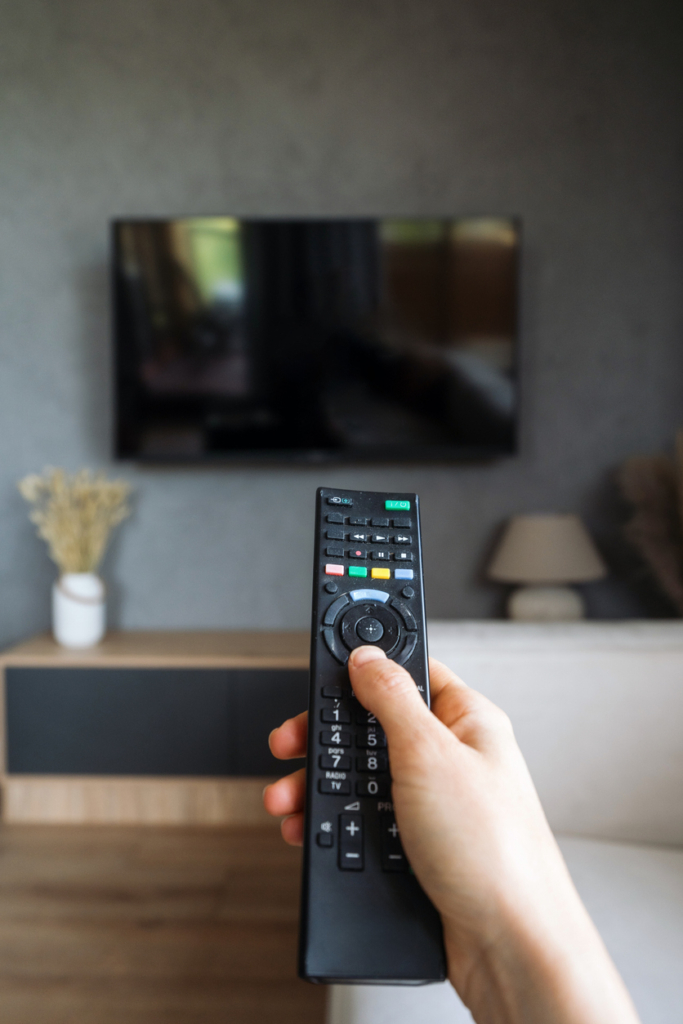
Remote Controls
TV remotes are classic "forgotten" surfaces, yet we use them often. If someone has spent a lot of time on the couch sick, they’ve almost certainly touched this too. Wipe it thoroughly with a disinfectant wipe to keep it virus-free.
Kitchen Surfaces
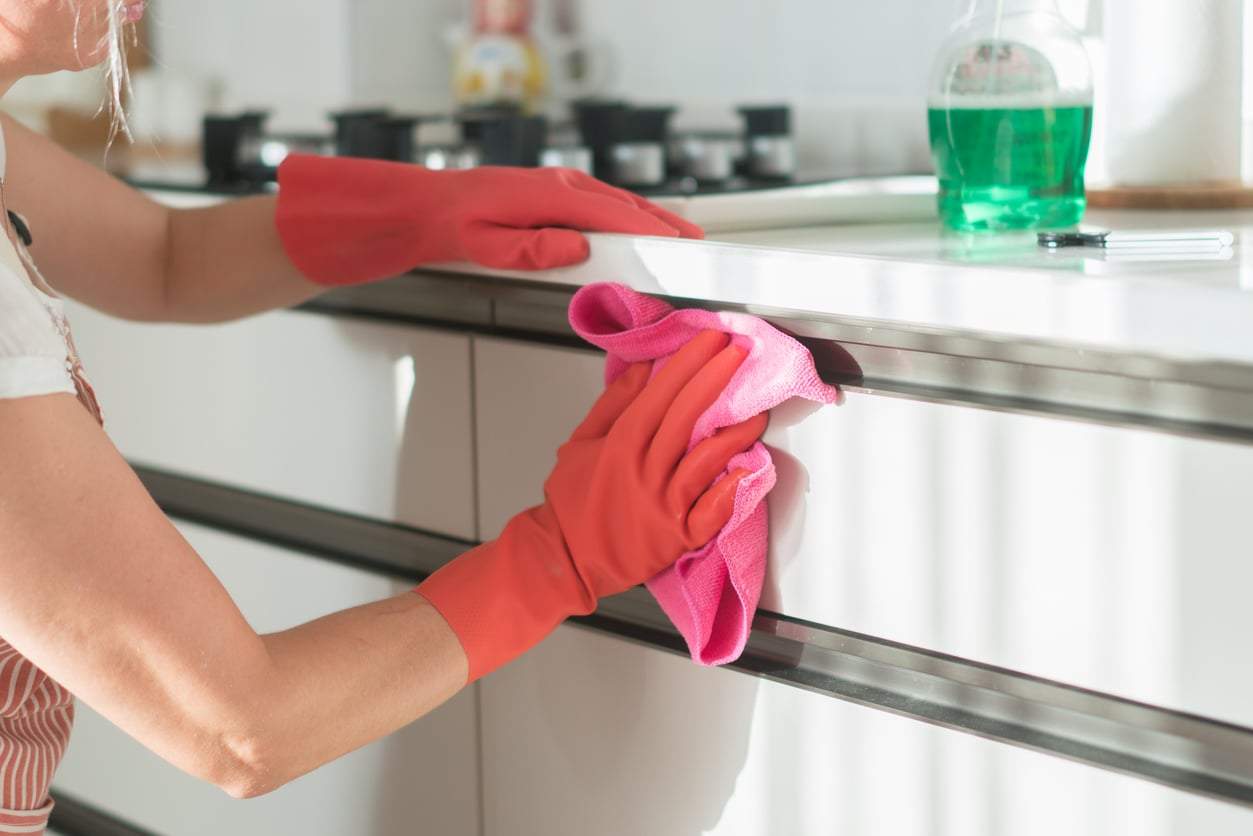
The kitchen has many spots where viruses can settle: countertops, sinks, the fridge handle, and cabinet knobs. Clean these with warm, soapy water followed by disinfectant.
Bathroom Surfaces
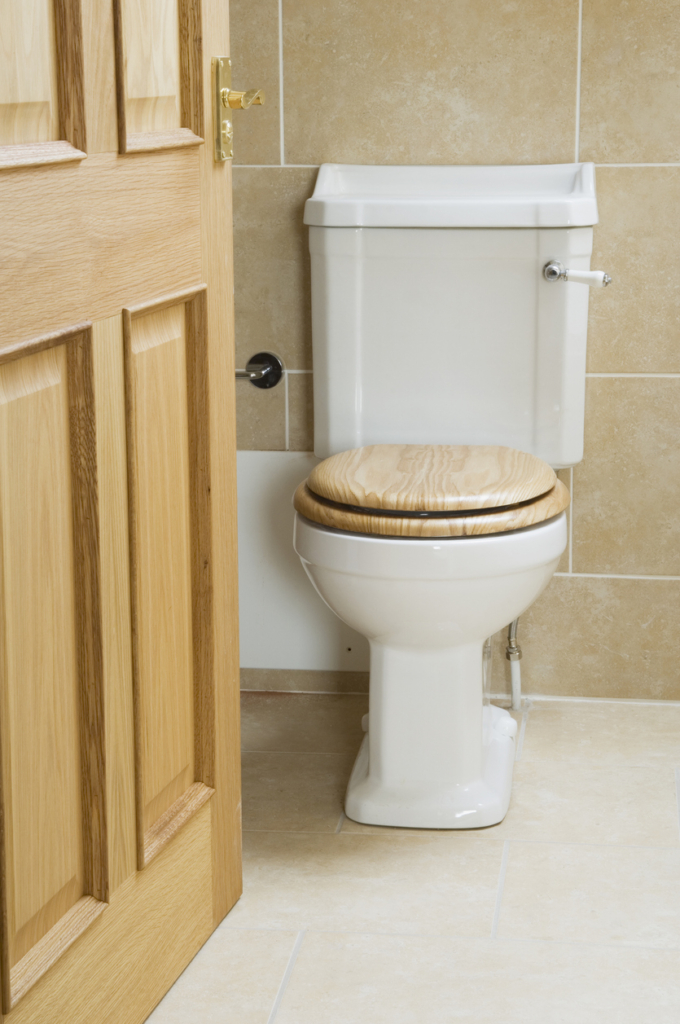
The bathroom is especially important to clean thoroughly. Faucets, sinks, toilet flush handles, soap dispensers, and counters are all touched by multiple people. Regular disinfecting helps stop the infection from spreading further.
Bedding and Pillowcases
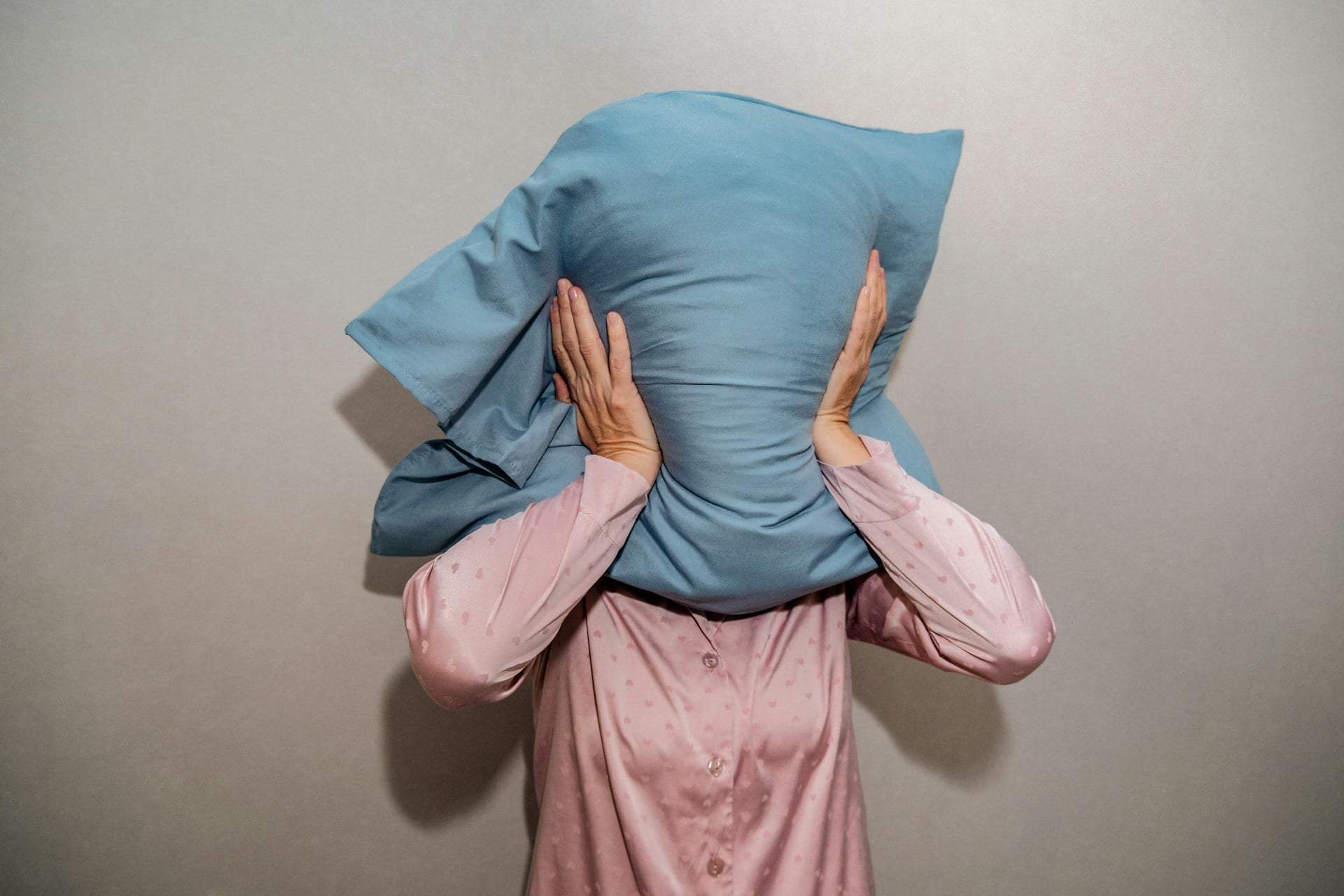
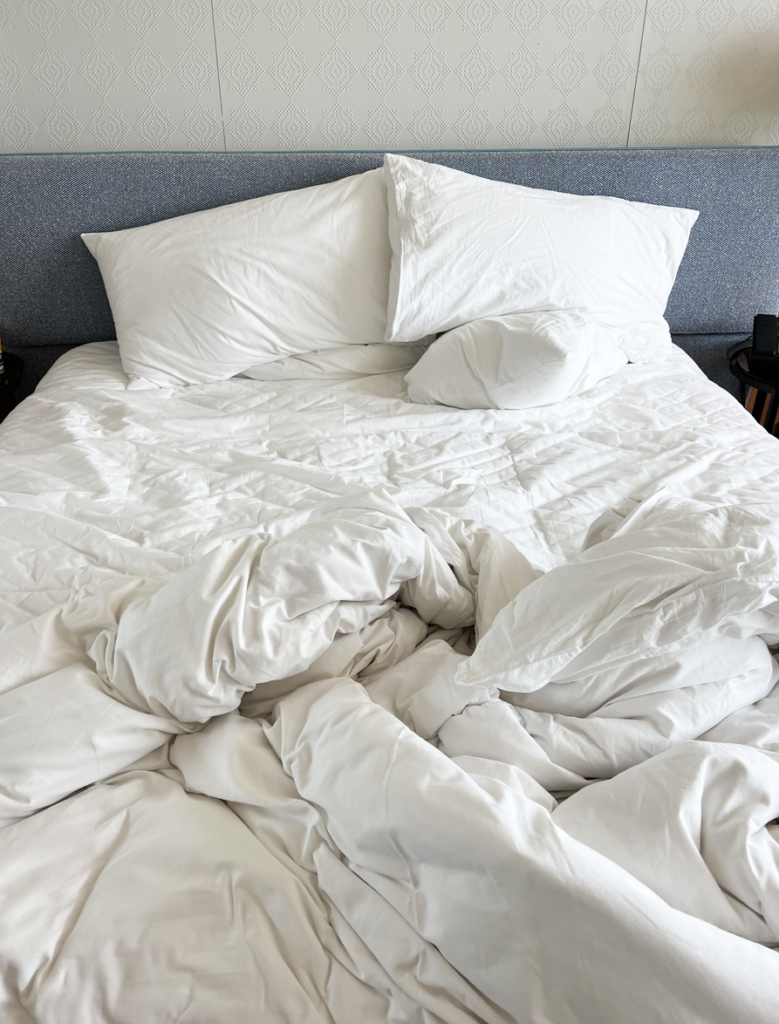
While not a hard surface, disinfecting bedding is crucial. Pillowcases and sheets stay in contact with the sick person’s face and skin for long periods, so germs can build up quickly. Plus, a feverish person likely sweated under the covers—everyone will feel better slipping into fresh bedding after illness. Wash covers in hot water, and if possible, air out pillows and blankets.
Towels and Textiles
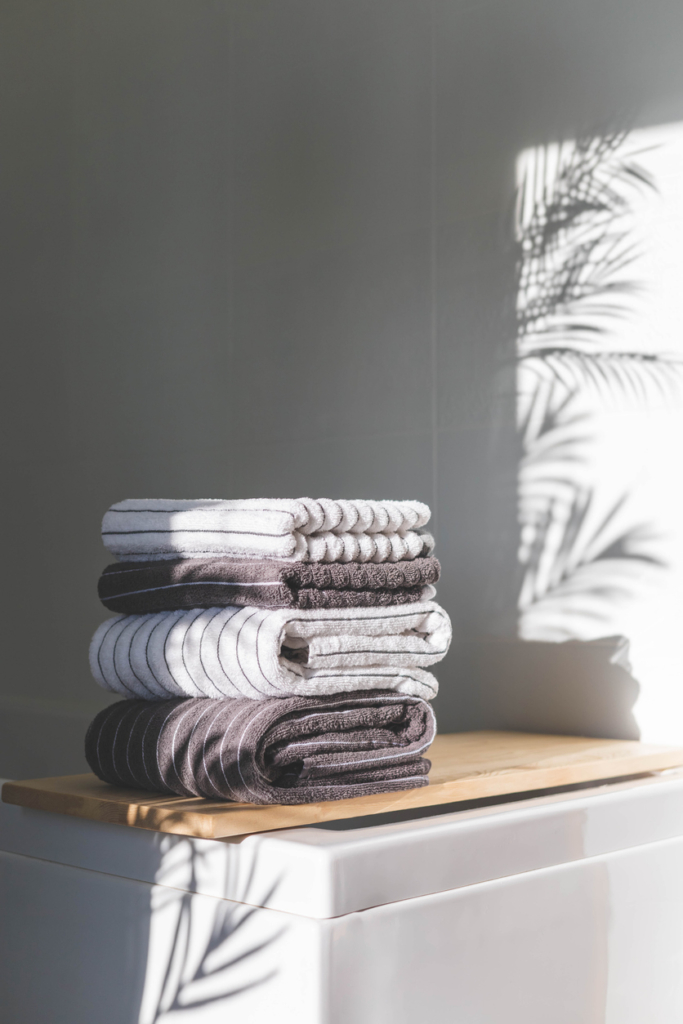
Hand towels and bathroom towels can also pick up germs easily. It’s smart to wash these in hot water, especially if the sick person used them.
Trash Bins
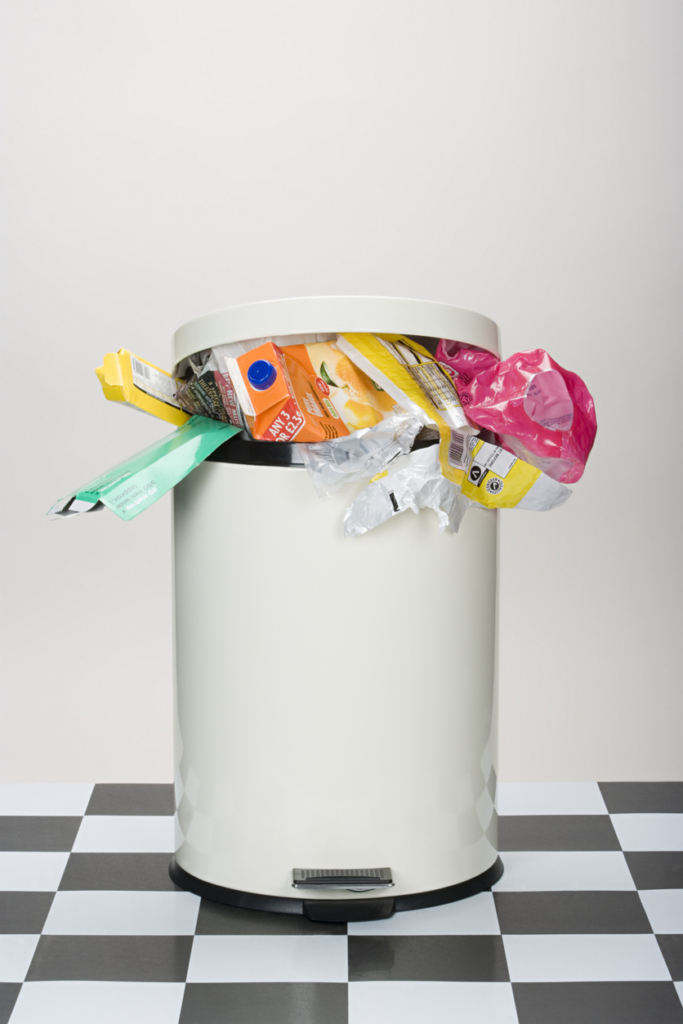
Trash bins often contain used tissues and other waste that may carry viruses. Disinfect the lid and inside of the bin, then replace the bag with a fresh one.
One Simple Rule: Focus on Frequently Touched Surfaces
When cleaning to fight the flu, it’s not about sterilizing everything. The key is regularly cleaning the surfaces and objects that get touched the most. This helps lower the chance of the virus spreading within your family.
A thorough cleaning, washing textiles, and disinfecting shared surfaces is usually enough to make your home safe and hygienic again after recovery—and to prevent reinfections. That way, everyone in the family can enjoy spring to the fullest!