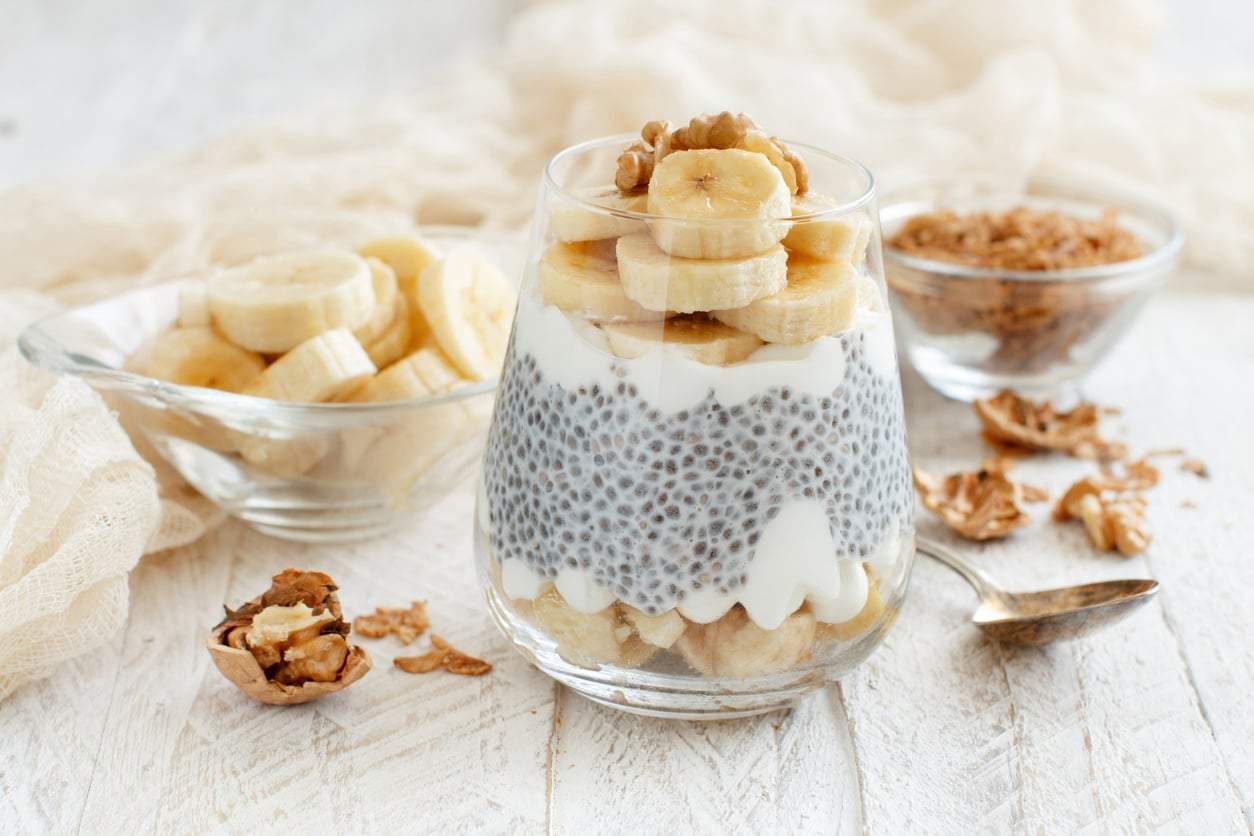
You already know that food affects your body — but did you know it can directly shape your mood? Research consistently shows that certain everyday foods influence the production of feel-good brain chemicals, reduce stress hormones, and even help fight symptoms of anxiety and depression. The best part? Most of them are already in your kitchen.
Here are 11 foods that genuinely make you feel better — not just physically, but mentally too.
Dark chocolate — the sweet shortcut to happiness
There's a reason chocolate is the world's most beloved comfort food. Cocoa stimulates the production of endorphins — your brain's natural feel-good chemicals — and dark chocolate in particular is loaded with antioxidants that help reduce stress and support cardiovascular health.
The key is quality over quantity. A small square of high-cocoa dark chocolate (70% or above) is all you need to give your mood a gentle, natural lift without the sugar crash that comes with milk chocolate.
Bananas — nature's energy bar
Bananas are one of the richest food sources of vitamin B6, which plays a direct role in producing serotonin — the neurotransmitter most closely linked to feelings of happiness and calm. They also deliver a quick, steady energy boost without spiking your blood sugar.
If you often feel tired, flat, or low on energy by mid-afternoon, reaching for a banana instead of caffeine or sugar might be the smarter move.
Oats — the breakfast that sets your whole day up right
Oats are a slow-release carbohydrate, which means they keep blood sugar levels stable for hours — and stable blood sugar means a more stable mood. They're also rich in tryptophan, an amino acid the body uses to produce serotonin.
Starting your morning with a bowl of oats isn't just a healthy habit — it's one of the simplest things you can do to feel more balanced and focused throughout the day. Pair them with berries or a banana for an even bigger mood-boosting effect.
Fatty fish — brain food in the truest sense
Salmon, mackerel, and tuna are exceptionally rich in omega-3 fatty acids and vitamin D — two nutrients that are absolutely essential for healthy brain function. Studies have linked low omega-3 levels to higher rates of depression, while adequate intake is associated with better stress resilience and emotional regulation.
Aim to include fatty fish in your diet at least twice a week. Your brain — and your mood — will notice the difference.
Nuts — the original stress-relief snack
Almonds, walnuts, and hazelnuts aren't just satisfying snacks — they're packed with magnesium, one of the most important minerals for a healthy nervous system. Magnesium plays a key role in regulating the stress response and promoting relaxation.
A small handful of mixed nuts in the afternoon is one of the easiest, most effective mood-supporting habits you can build into your day.
Berries — tiny fruits with a powerful impact on your brain
Blueberries, raspberries, and strawberries are antioxidant powerhouses. These compounds protect brain cells from oxidative damage and have been linked to improvements in memory, focus, and cognitive performance over time.
Fresh or frozen, they work equally well — so there's no excuse not to toss a handful into your morning yogurt or smoothie. They also satisfy sweet cravings without the blood sugar spike.
Leafy greens — the mood mineral you might be missing
Spinach and kale are among the best dietary sources of folate, a B vitamin that plays a crucial role in brain function and mood regulation. Research has found a clear link between folate deficiency and increased symptoms of depression.
Adding a handful of spinach to a smoothie, salad, or pasta dish is one of the easiest ways to quietly upgrade your mental wellbeing — without changing much else about your diet.
Whole grains — steady energy for a steadier mood
Brown rice, quinoa, and whole grain bread are rich in B vitamins and dietary fiber. They help maintain consistent energy levels, support healthy digestion, and provide the brain with the steady fuel it needs to function well.
Because brown rice and other whole grains prevent the sharp blood sugar spikes and crashes caused by refined carbs, they naturally contribute to a more balanced, even-keeled mood throughout the day.
Eggs — the most complete mood-supporting food
Eggs contain all the essential amino acids your body needs, plus choline — a nutrient that is critical for healthy brain function and often overlooked in discussions about mental health. Eating eggs regularly is associated with greater alertness, improved concentration, and a general sense of feeling more energized.
They're also endlessly versatile, which makes it easy to include them in almost any meal of the day.
Yogurt and kefir — the gut-brain connection in a glass
The link between gut health and mental health is one of the most exciting areas of nutritional science right now. Yogurt and kefir are rich in live cultures that support a healthy gut microbiome — and a healthy gut has been shown to help regulate the production of stress hormones like cortisol.
Put simply: when your gut feels good, your mind often follows. A daily serving of natural yogurt or kefir is a small habit with surprisingly wide-ranging benefits.
Green tea — calm focus in a cup
Green tea contains L-theanine, an amino acid that promotes relaxation without causing drowsiness. Unlike coffee, which can trigger anxiety or jitteriness in some people, green tea delivers a gentle, focused calm — making it ideal for stressful days when you need to stay sharp.
Its antioxidant content also protects cells from damage over time. Swapping your afternoon coffee for a cup of green tea is a simple change that can meaningfully shift how you feel by the end of the day.
What you eat every day is one of the most powerful — and most underestimated — tools you have for managing your mood and mental wellbeing. Small, consistent changes to your diet can make a bigger difference than you might expect.