You don't need a dramatic color overhaul or a completely new style to look noticeably younger. Sometimes, all it takes is the right cut — or more precisely, the right technique. Expert stylists consistently recommend these three cutting approaches for clients who want to look fresher without changing everything at once.
1. Soft face-framing layers
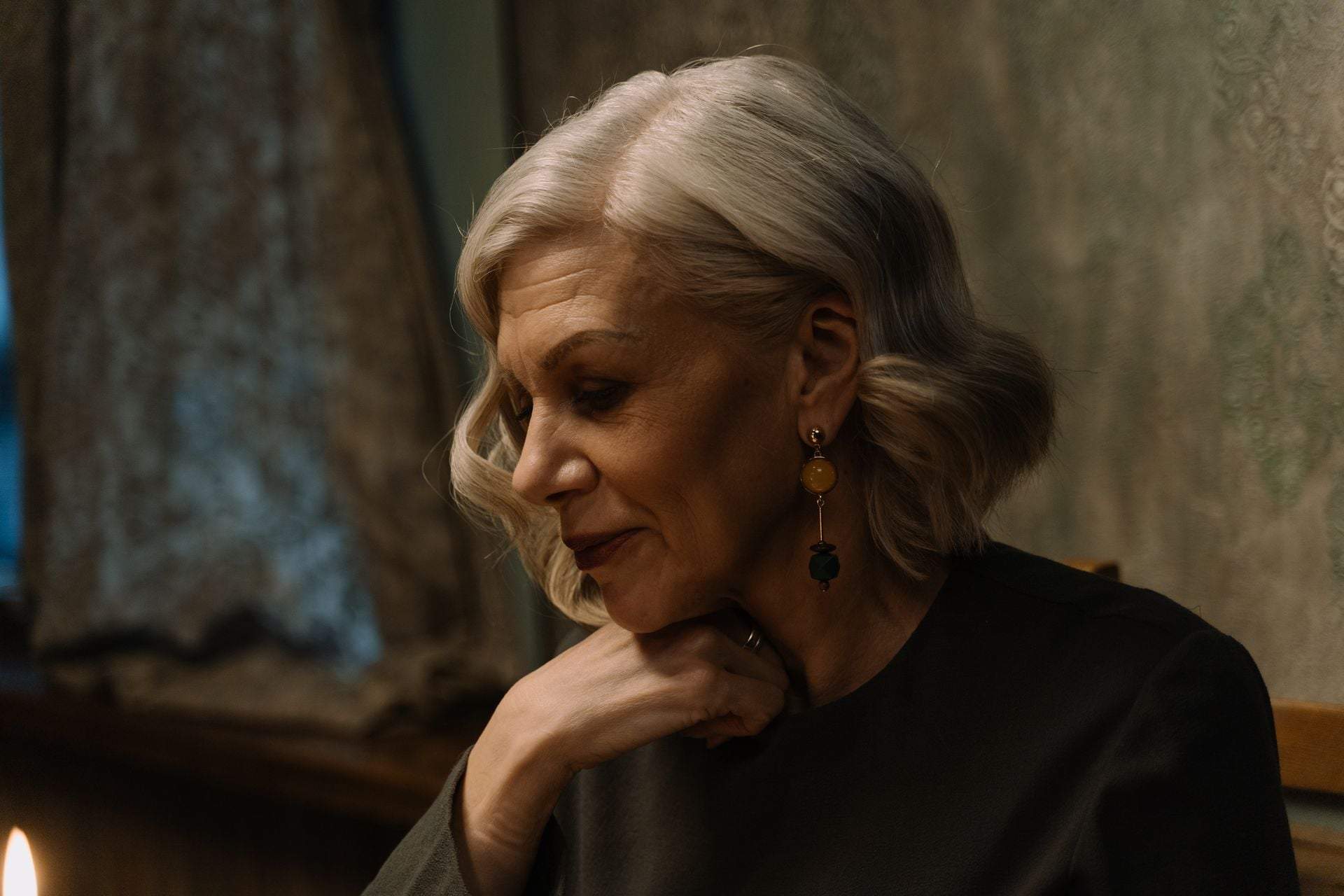
Ask most experienced hairstylists what their go-to tool is for turning back the clock, and they'll say face-framing layers. The idea is simple but powerful: instead of hair falling at a uniform length, the layers are shaped to follow the natural contours of the face.
This technique draws attention to the cheekbones, gently redirects the eye away from a softened jawline, and smooths out the features that tend to sharpen with age. The key is placing the layers so they don't land directly at jaw level — slightly above or below works better, because it draws the gaze across the whole face rather than anchoring it at one point.
This cut works especially well on shoulder-length hair and longer, and it suits almost every hair texture — straight, wavy, or anything in between. The real magic happens when the stylist uses slightly curved cuts rather than straight lines, which adds movement and a natural lightness to the style.
2. A side-swept curtain fringe
The second technique is the curtain fringe — a long, side-parted fringe that falls softly on either side of the face rather than cutting straight across the forehead.
Fine lines on the forehead and between the brows become far less visible, while the eyes are naturally brought forward and highlighted.
What sets this apart from a classic blunt fringe is the absence of a hard edge. The hair gradually grows longer toward each side of the face, creating a seamless, flowing transition. That gradual fade is exactly what makes this technique so forgiving — a blunt, straight-across fringe tends to emphasize fine lines rather than hide them, while a curtain fringe does the opposite.
Most stylists are quick to add that this look works best when the hair has volume and body — or at least appears that way. Fine, flat hair can cause the fringe to lose its shape and its face-framing effect quickly.
3. A lightly layered bob at or just below the jawline
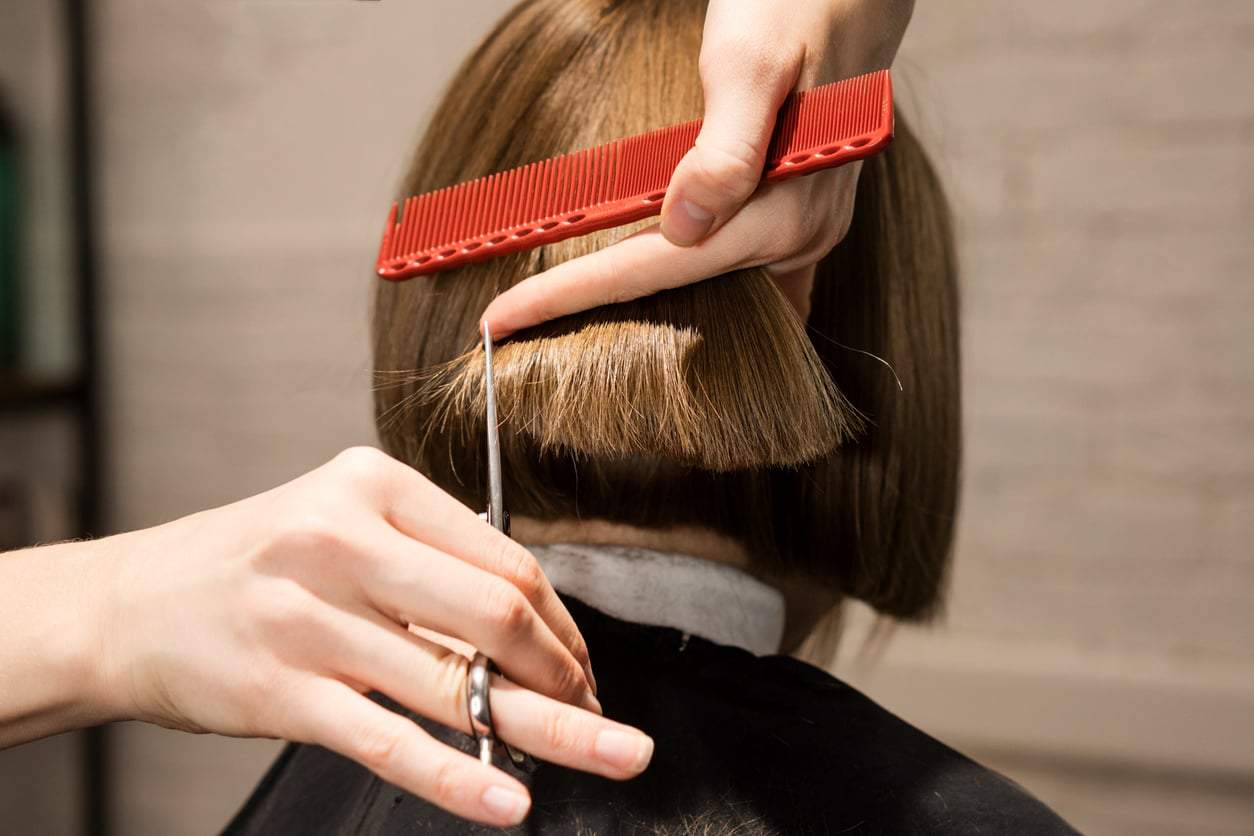
The third technique might be the most surprising: a well-cut bob that ends precisely at the jawline or just below it. This length creates an optical lift — the eye naturally follows the ends of the hair, which draws attention upward toward the jaw and cheekbones.
The effect is significantly stronger when the cut has gentle layers rather than being completely solid and blunt.
A solid, one-length bob can actually make the face feel heavier, while a subtly layered version adds movement and prevents that flat, weighed-down look. For anyone whose jawline has softened over the years, this technique can restore a crisper, more defined facial contour without any cosmetic intervention.
Most stylists recommend getting this cut on freshly washed, air-dried hair so the stylist can see exactly how the hair falls in its natural state — the precision of a bob depends entirely on that.
What to keep in mind at your next appointment
All three techniques share one important thing: they're about small, targeted adjustments — not radical reinvention. A skilled stylist will look at your face shape, your hair's density, and how light falls on your features before deciding which approach suits you best.
It's worth mentioning this in the chair. You don't need to ask for a completely new hairstyle — sometimes refining what you already have with one of these techniques is all it takes to look noticeably younger and more refreshed.
Does hair length really make you look younger?
Not necessarily. Length alone doesn't determine how youthful a hairstyle looks — the cutting technique, layering, and how the style frames your specific face shape matter far more.
Which face shapes benefit most from face-framing layers?
Face-framing layers work on almost all face shapes, but they're particularly effective for anyone looking to highlight their cheekbones or draw attention away from a softened jawline. The exact placement of the layers should be tailored to the individual by an experienced stylist.
Can a curtain fringe work on fine hair?
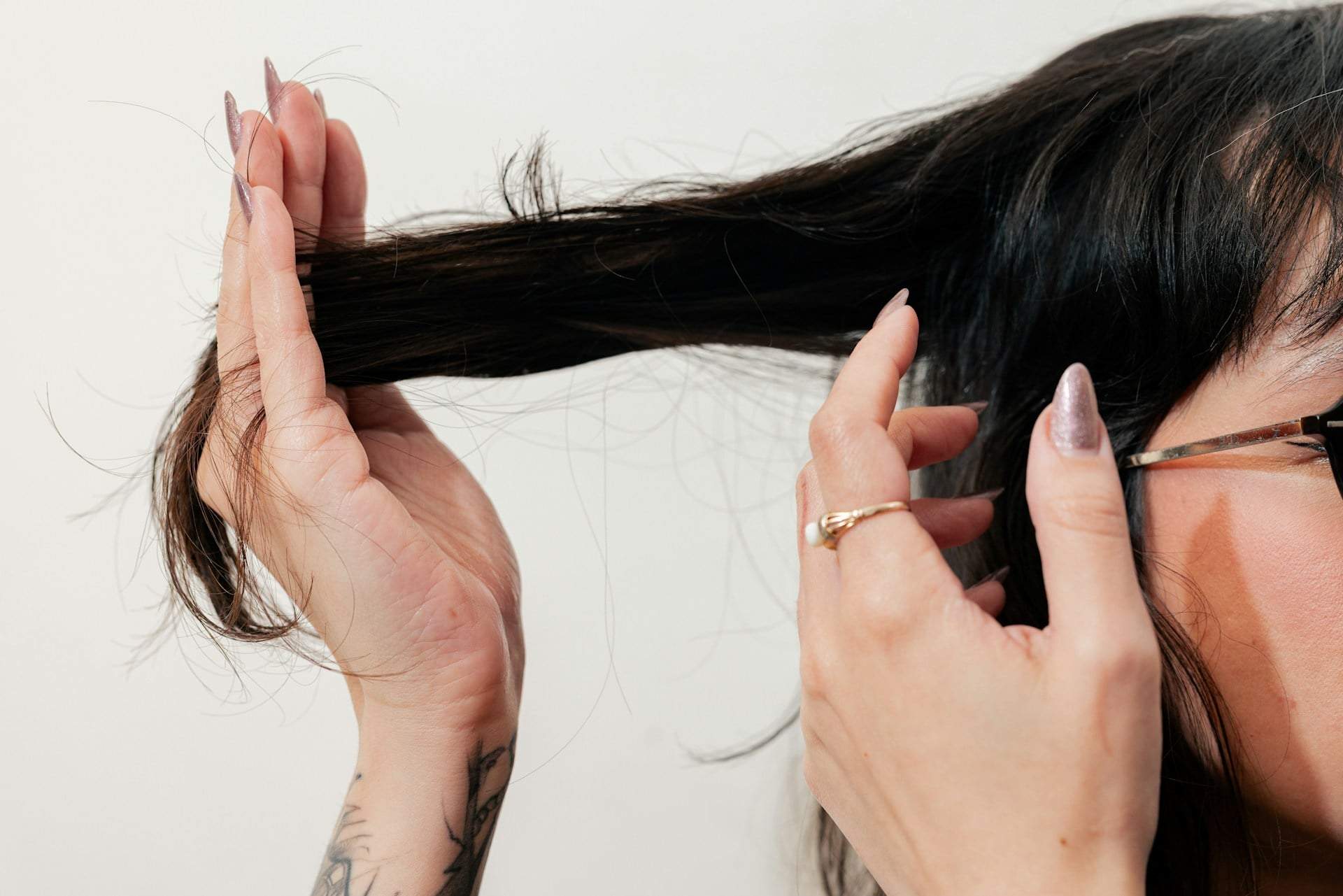
It can, but it requires more maintenance. Fine hair tends to fall flat, which can reduce the fringe's volume and its face-framing effect. Using a light volumizing product or a round brush when blow-drying can help maintain the shape.
How often should a bob be trimmed to keep its shape?
Because the bob's effectiveness depends on precision, most stylists recommend a trim every six to eight weeks to keep the length and layers looking intentional and fresh.