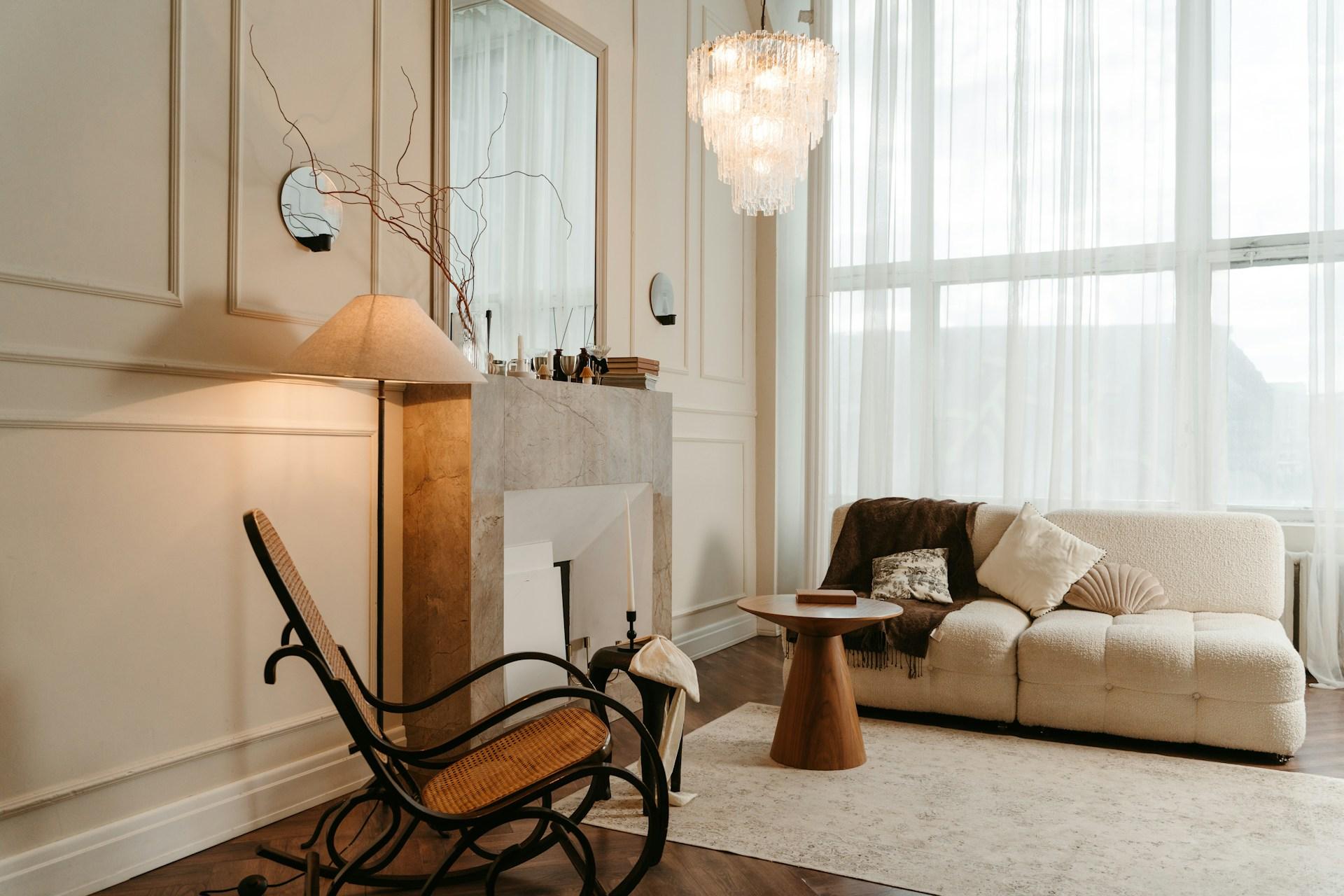
Our homes are one of the most intriguing reflections of our personality. You might be surprised how much your home’s decor, organization, and furnishings reveal about your money habits. Here, we highlight three home elements that strongly mirror your financial mindset.
Are Your Decorative Items in Harmony?
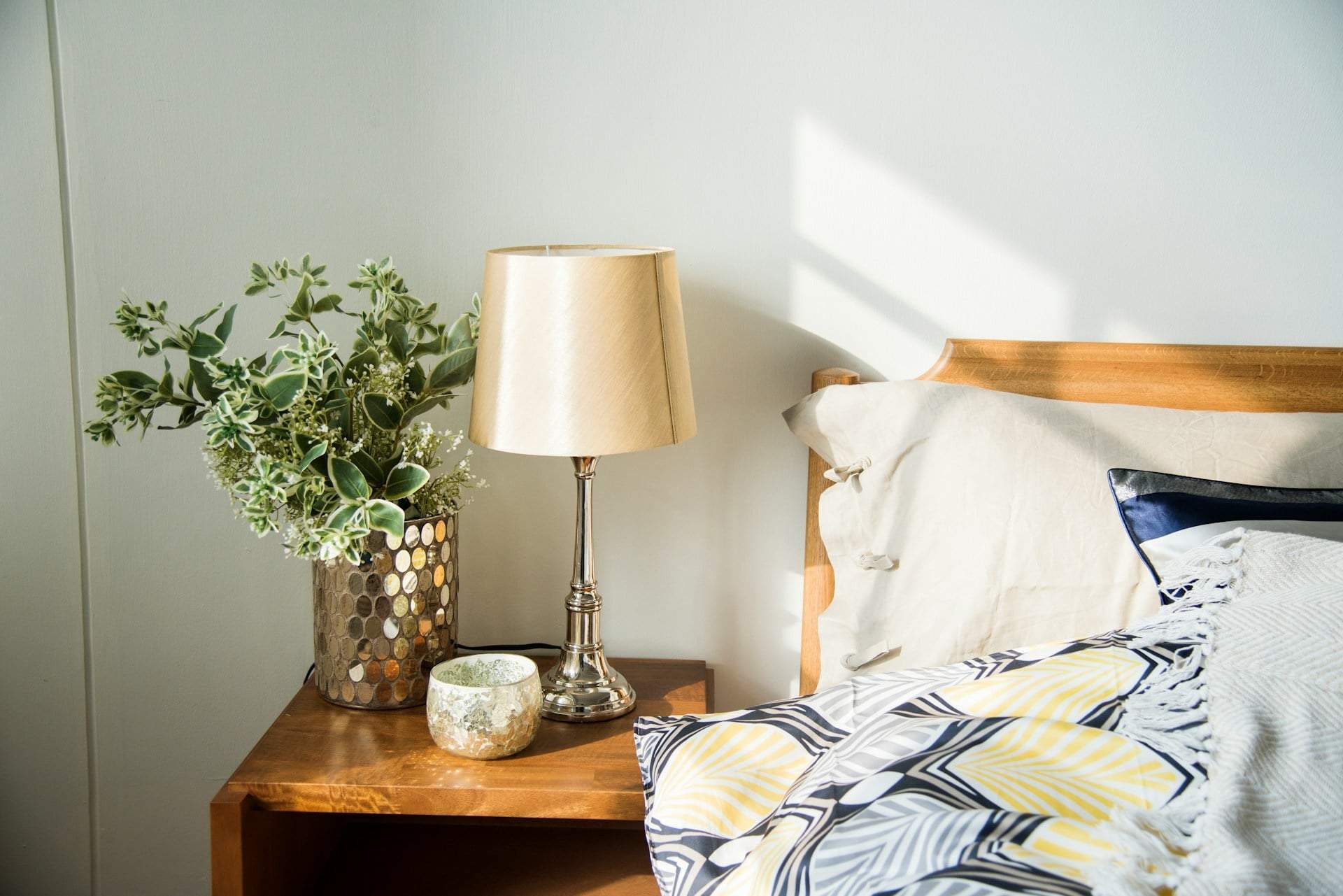
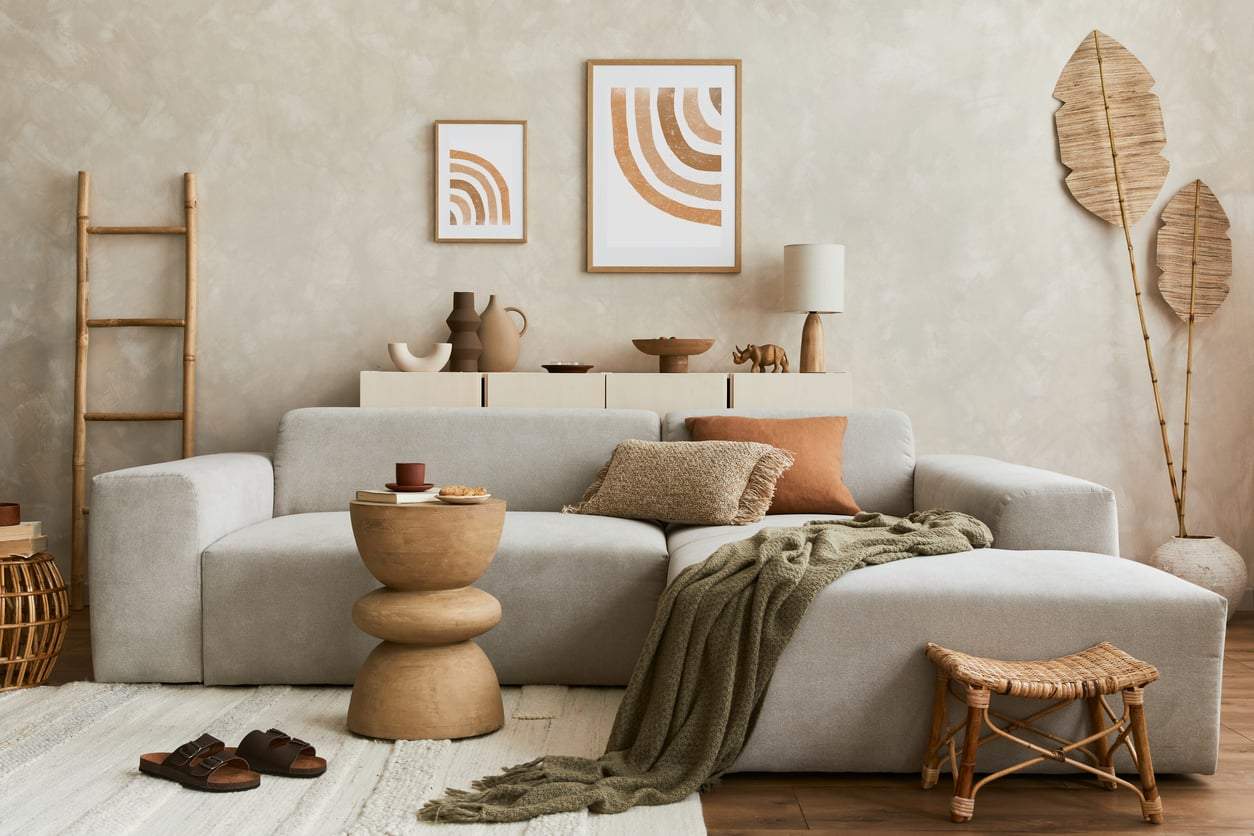
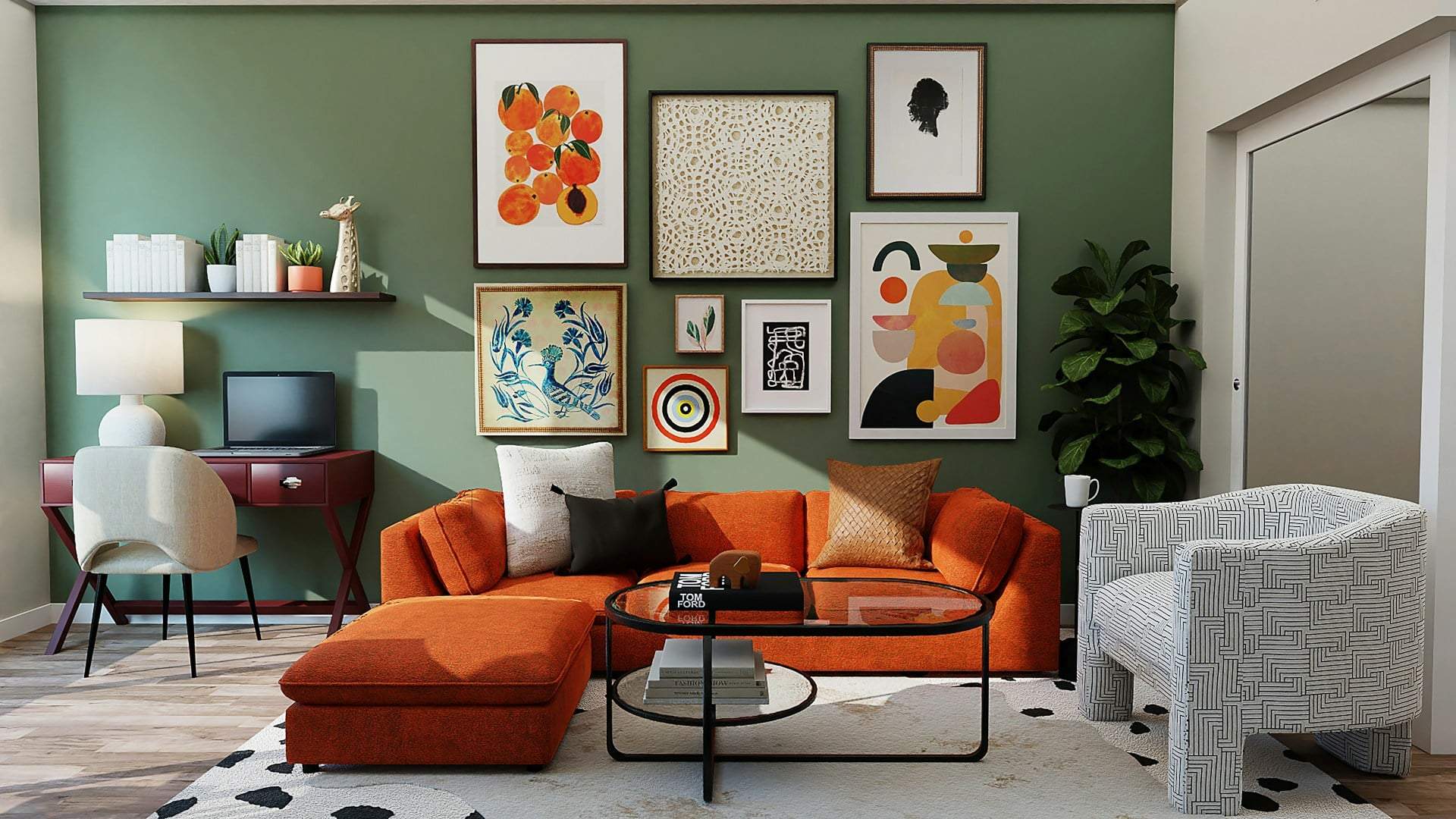
Start by looking at your decorative items and how they’re arranged. People who carefully organize their decorations—whether paintings, sculptures, or other accents—tend to be more organized and mindful with their finances too. In such homes, every item has its place, creating daily clarity and harmony for the owner.
But it’s not just about tidiness; thoughtful placement speaks volumes.
Those who arrange their decor with care likely bring the same thoughtfulness to managing their money. They plan ahead, weigh options, and invest their energy and funds wisely.
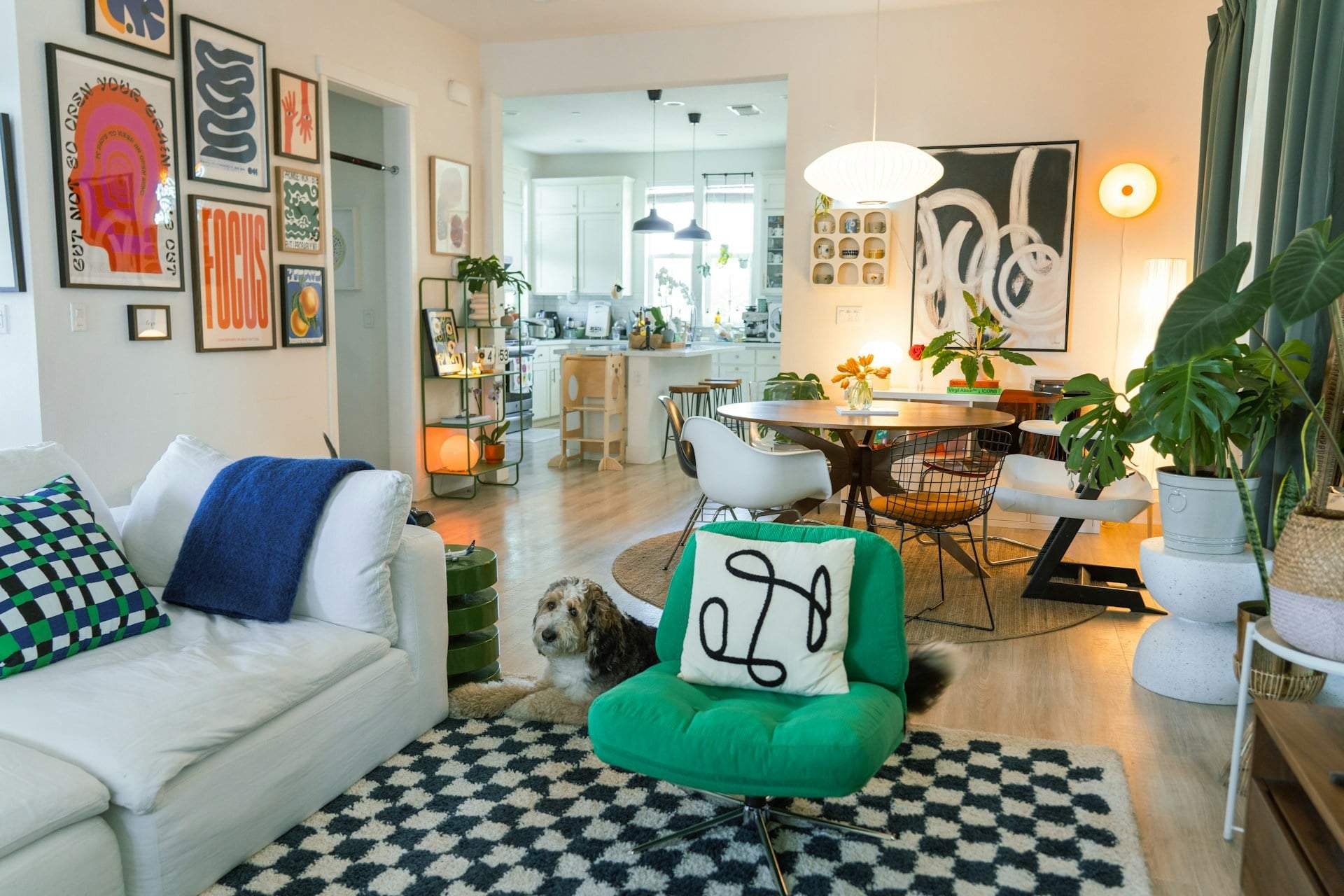
On the flip side, a haphazard display might hint at impulsive spending and less attention to detail—often reflecting in financial planning as well.
Furniture Arrangement and Quality
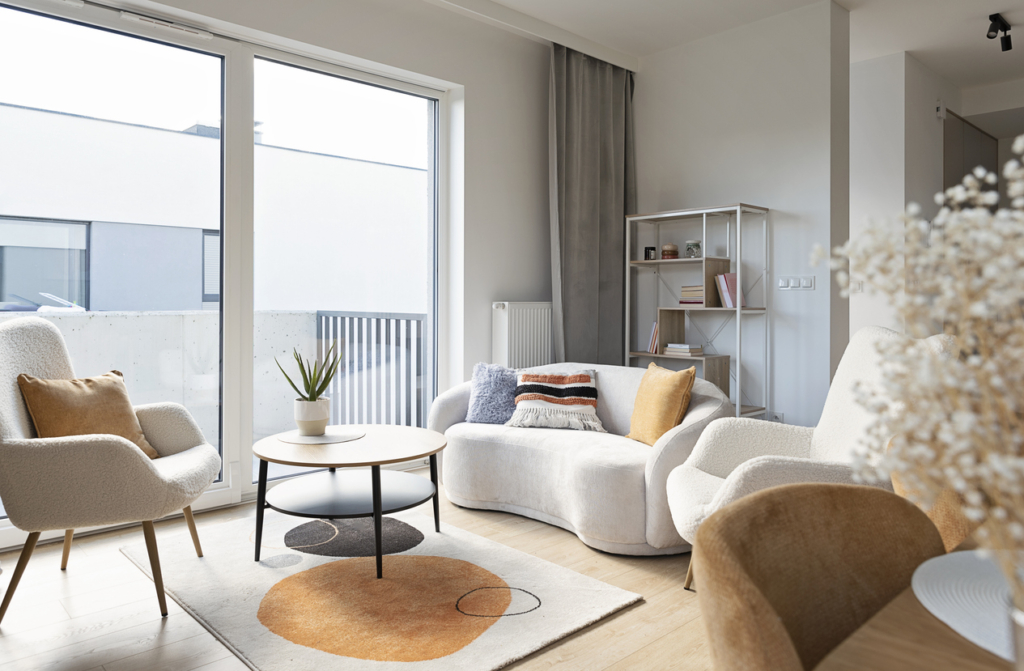
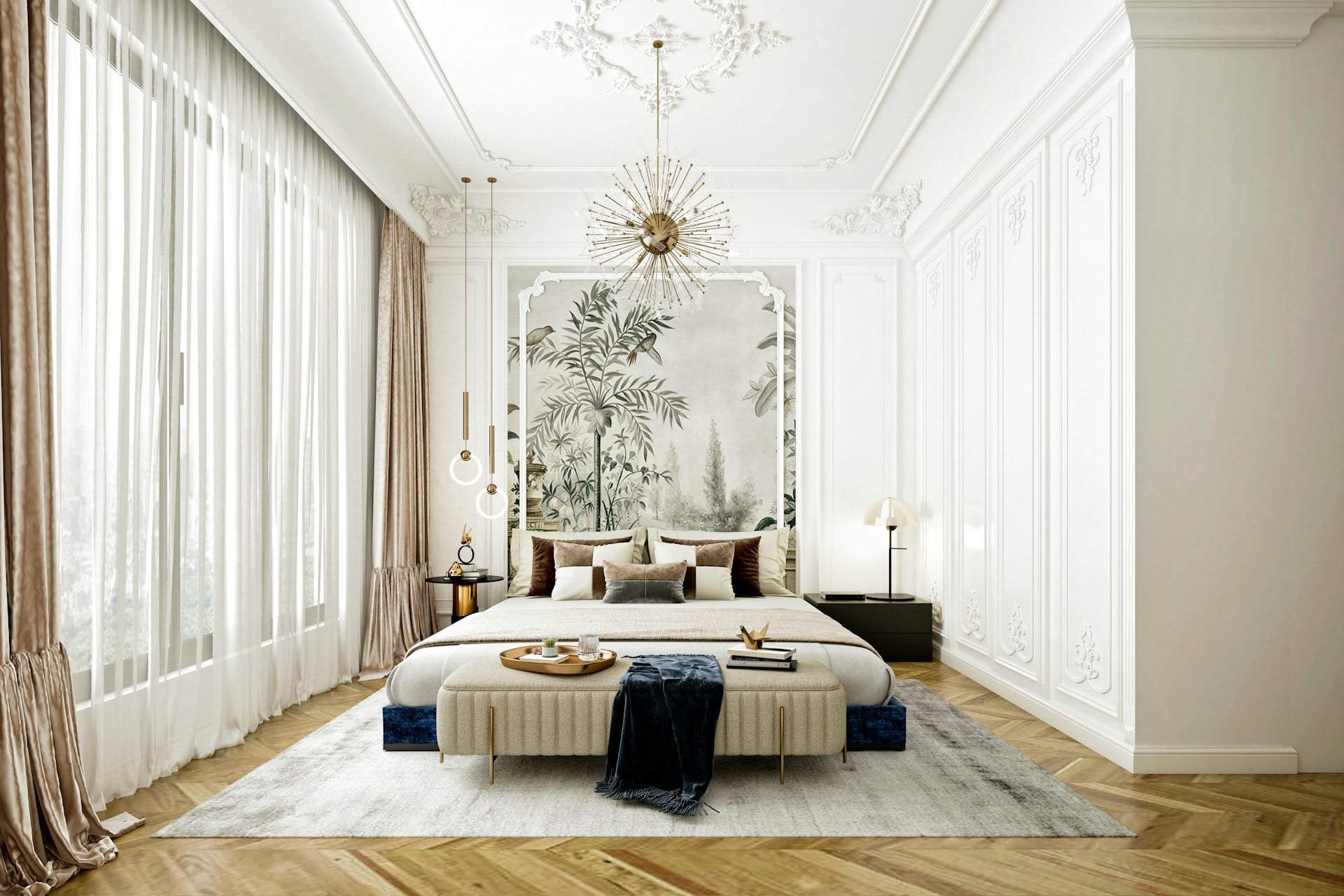
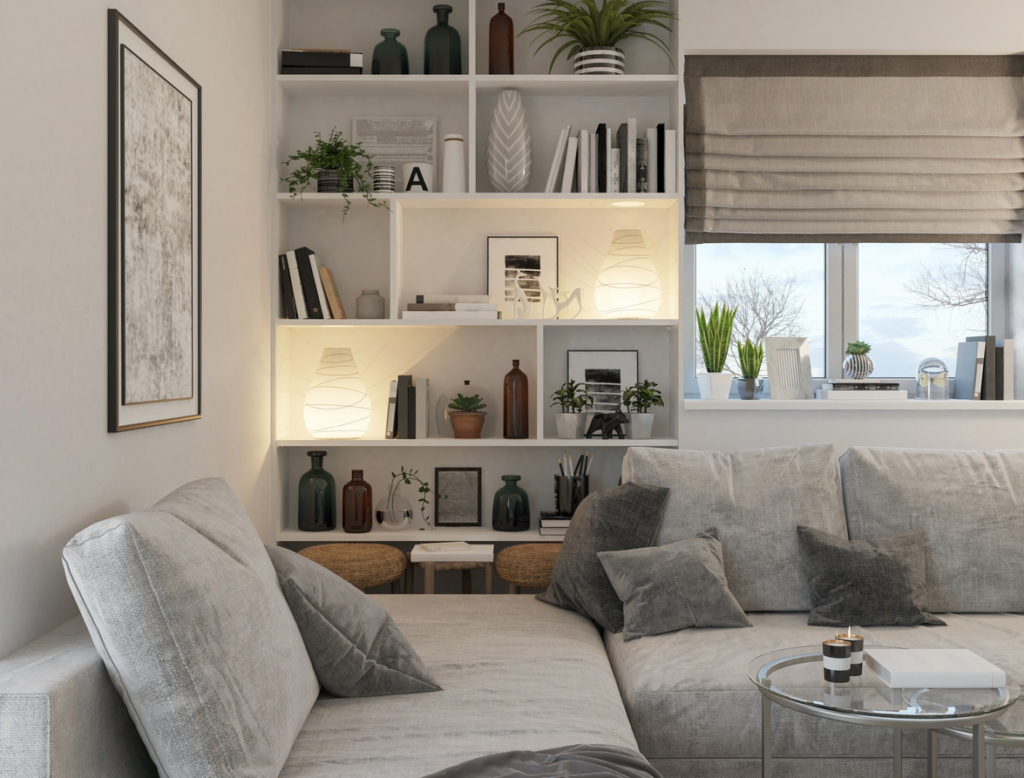
The way furniture is arranged is a deeply personal choice that reveals a lot as soon as you step inside. A well-thought-out, harmonious setup suggests the resident pays close attention to details and tends to think long-term—not just in life, but in money matters too.
The quality of materials also tells a story about financial habits. Durable, timeless furniture points to someone who values reliability and long-term worth—not only in objects but in financial decisions as well.
Conversely, a rushed, chaotic furniture layout—where pieces don’t quite fit or seem temporary and cheap—may hint at more impulsive, less deliberate financial habits. These owners often think short-term and might frequently refresh their space without careful planning.
Order and Cleanliness in Your Home
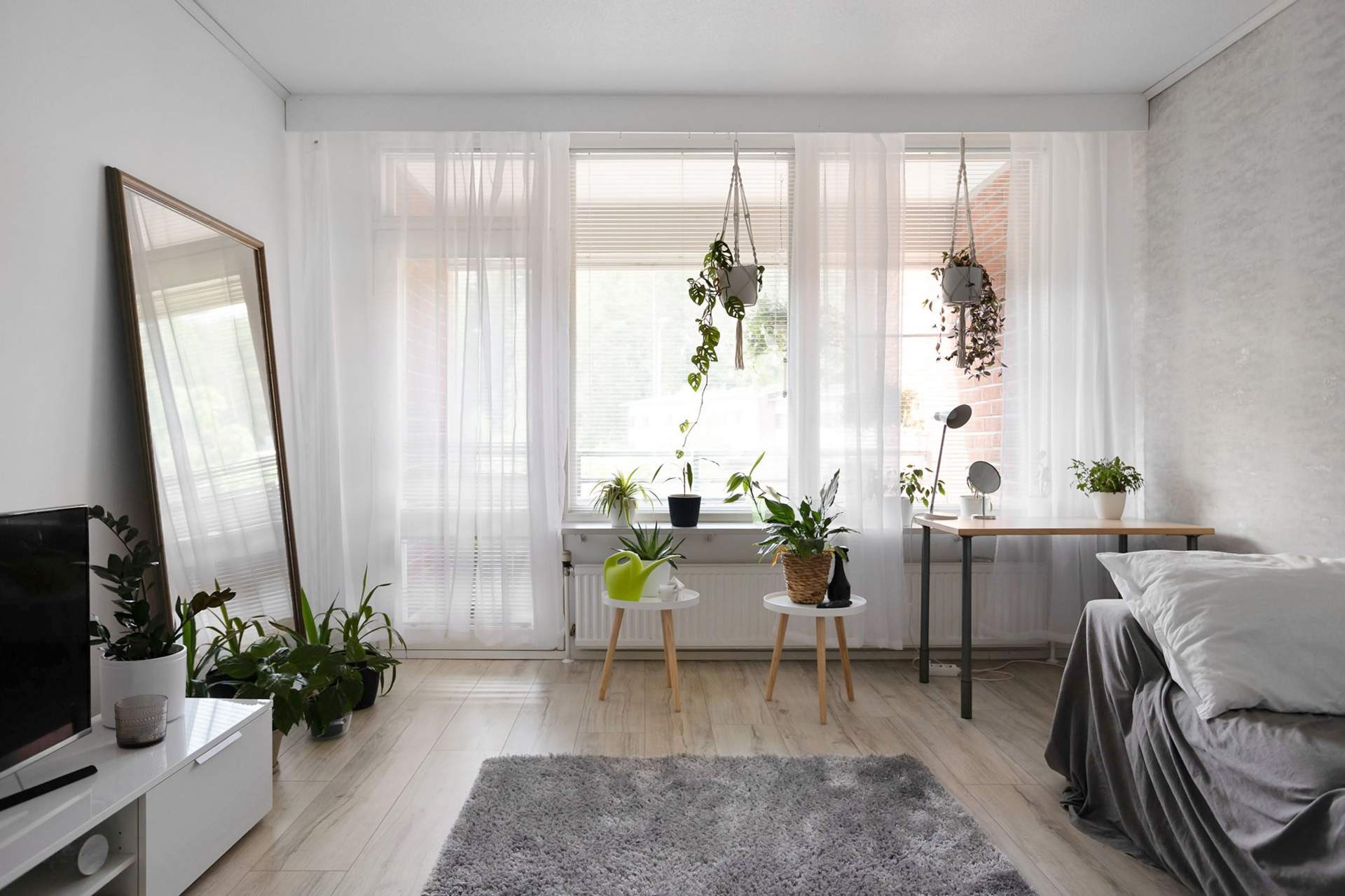
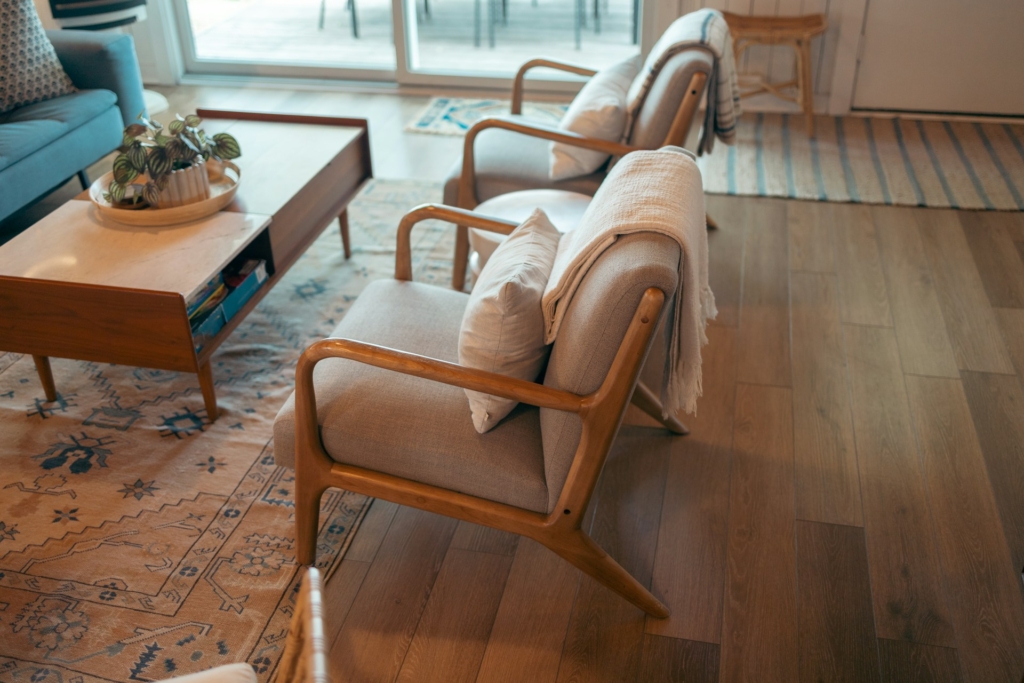
Keeping your home clean and orderly also speaks volumes about your financial outlook. People who regularly tidy up and care for a clean environment usually manage their money methodically. The desire for order goes beyond aesthetics—it often reflects consistency in financial habits.
These individuals rarely stray from strict budgets and are more likely to predict their expenses ahead of time.
On the other hand, a less organized, cluttered home may suggest the resident pays less attention to keeping their finances in order. Such people might face more stress from unexpected expenses and financial surprises.