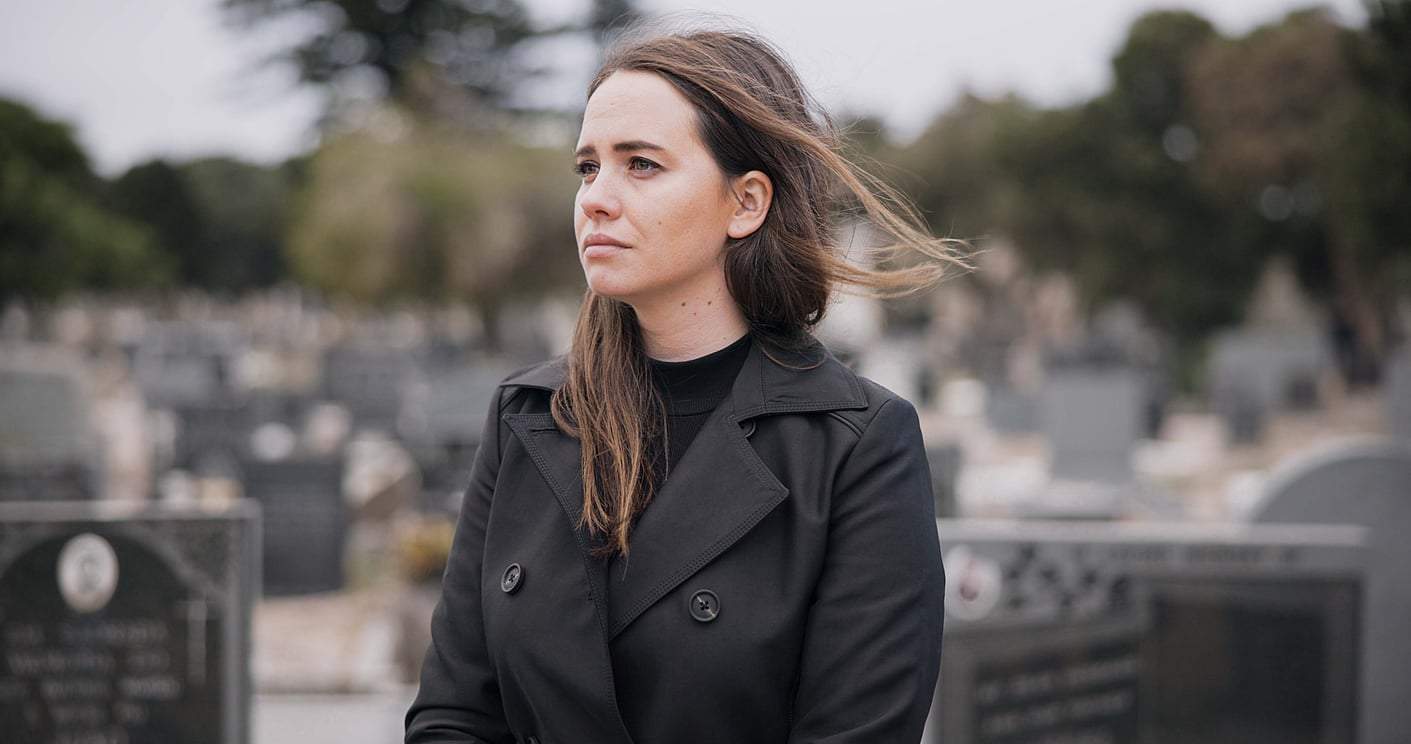
Most of us picture childhood trauma as something that only happens in chaotic, abusive, or neglectful households. But psychologists say something more surprising is true: many adults carry deep emotional wounds from childhoods that looked perfectly fine from the outside. No shouting, no violence, no dramatic dysfunction — just a quiet, persistent feeling that something was missing.
That's because trauma isn't always caused by what happened to you. Sometimes it's caused by what didn't happen. Experts call this emotional neglect, and it can develop even in warm, functional, loving families. Here are three patterns that frequently leave lasting marks — even when parents had the best of intentions.
When a parent provides everything — except emotional presence
Many parents give their children everything they think a child needs: food on the table, clean clothes, after-school activities, a safe home. On paper, it all looks great. But children don't just need their physical needs met.
Children also need emotional connection — the feeling that someone genuinely sees them, not just takes care of them.
Experts draw a sharp distinction between a parent who provides for a child and one who truly attunes to them. Attunement means noticing when your child is sad, being curious about what's going on inside them, and actually responding to their emotional signals — not just their practical ones.
When this kind of presence is consistently missing, children can quietly absorb a painful lesson: my feelings don't matter. As adults, they often struggle to voice their needs, feel uncomfortable asking for support, or instinctively downplay their own emotions.
What makes this pattern so hard to identify is that it isn't dramatic. An emotionally distant parent can still be loving, responsible, and genuinely good. They simply can't connect to the child's inner world — and the child grows up not quite knowing how to connect to their own.
When emotions are never explained or validated
As children, we learn what to do with our feelings by watching how our parents respond to them. When a child cries, gets scared, or loses their temper, and a parent responds with calm curiosity, the child gradually learns to understand and regulate their own emotional world.
But in many families, emotions simply don't get acknowledged. They're not necessarily forbidden — they're just quietly dismissed.
Phrases like "stop being dramatic," "it's not a big deal," or "quit crying" seem harmless in the moment. Over time, though, they send a clear message: some feelings are not acceptable.
Psychologists call the healthy version of this emotional mirroring. A child learns to recognize and name their own internal states by seeing those states reflected back through their parent's reactions. Without that mirror, they grow up uncertain whether what they feel is even valid — and many spend years suppressing emotions rather than experiencing them.
It's not uncommon for adults to realize only in therapy, sometimes for the first time, that they have been silencing their feelings their entire lives without ever knowing why.
When love is present but unpredictable
Love alone isn't always enough. Children also need consistency. According to attachment theory, secure attachment develops when a parent responds to a child's emotional needs in a way that is relatively stable and sensitive over time.
Many genuinely caring parents, however, are emotionally unpredictable. Some days they are warm, close, and engaged. Other days they are completely unreachable. This inconsistency can be driven by stress, burnout, mental health struggles, or simply the fact that the parent never learned to manage their own emotions in a healthy way.
Children adapt. They learn not to "bother" anyone, not to ask for too much, to become fiercely self-sufficient. From the outside, this can look like maturity or independence. In reality, it's often a survival strategy.
In adulthood, this pattern can quietly become a chronic need to please others, difficulty trusting people, or a deep fear of real intimacy.
Good intentions aren't always enough — and that's okay to admit
The topic of trauma from "good families" is genuinely difficult, because no one wants to hear that loving their child hard isn't always sufficient. But psychologists aren't asking parents to be perfect. The goal isn't flawless parenting — it's connection, emotional presence, and the willingness to repair things when they go wrong.
When parents are able to recognize their own patterns, talk about them honestly, and commit to doing things differently, they give their children something far more valuable than a perfect childhood: a living example of how to grow.