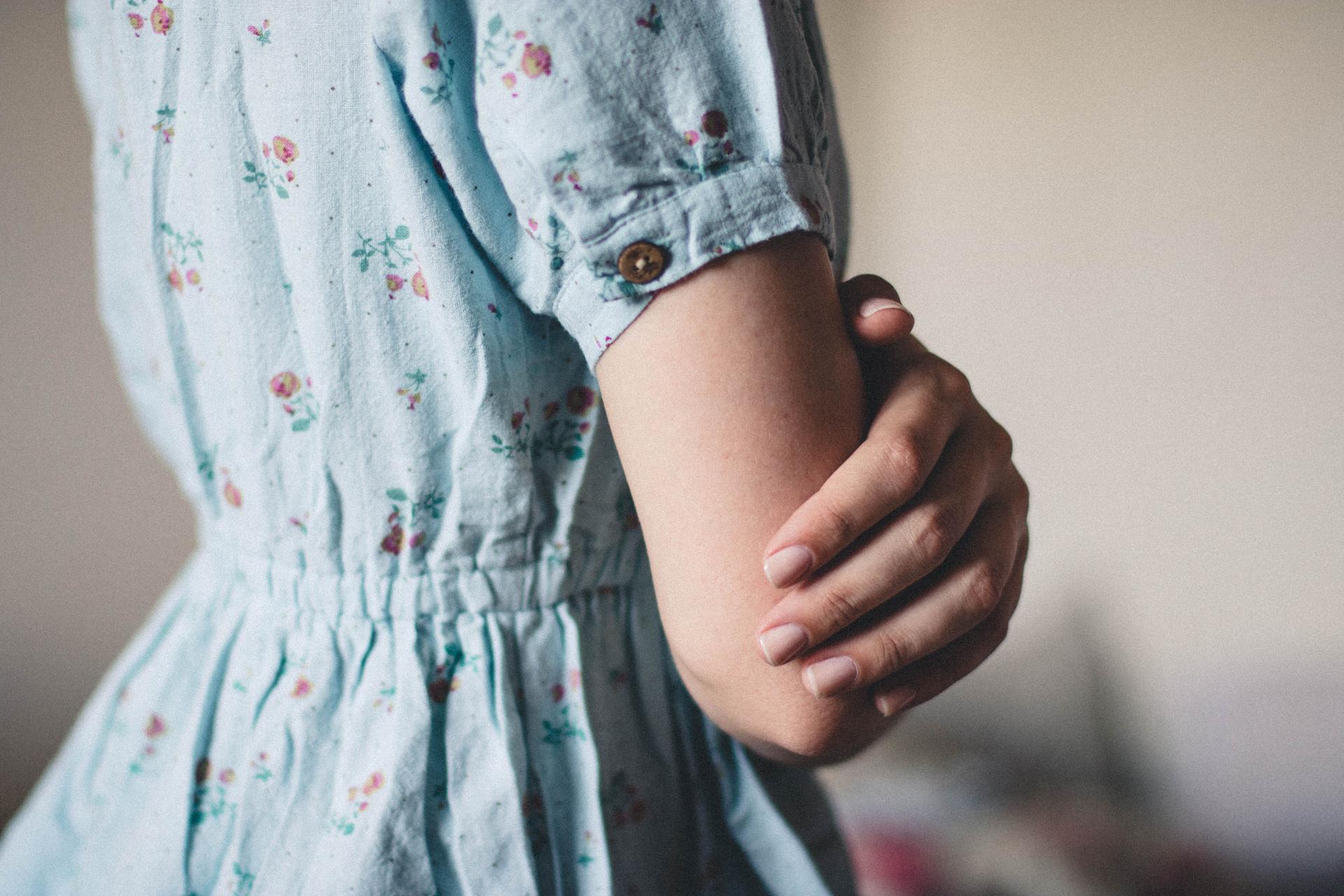
There's a moment in the fitting room when you pick up a dress, glance at the price tag, look back at the dress — and it just doesn't add up. Or the opposite happens: you spend a small fortune, take it home, and standing in front of the mirror you wonder why it looks like something you grabbed off a discount rail.
The difference is rarely the brand name. It's almost always hiding in the tiny, easy-to-miss details that designers behind the 2026 summer collections love to emphasize: the stitching, the buttons, the feel of the fabric, and the way a pattern lines up with the cut.
1. Hidden seams and clean edges
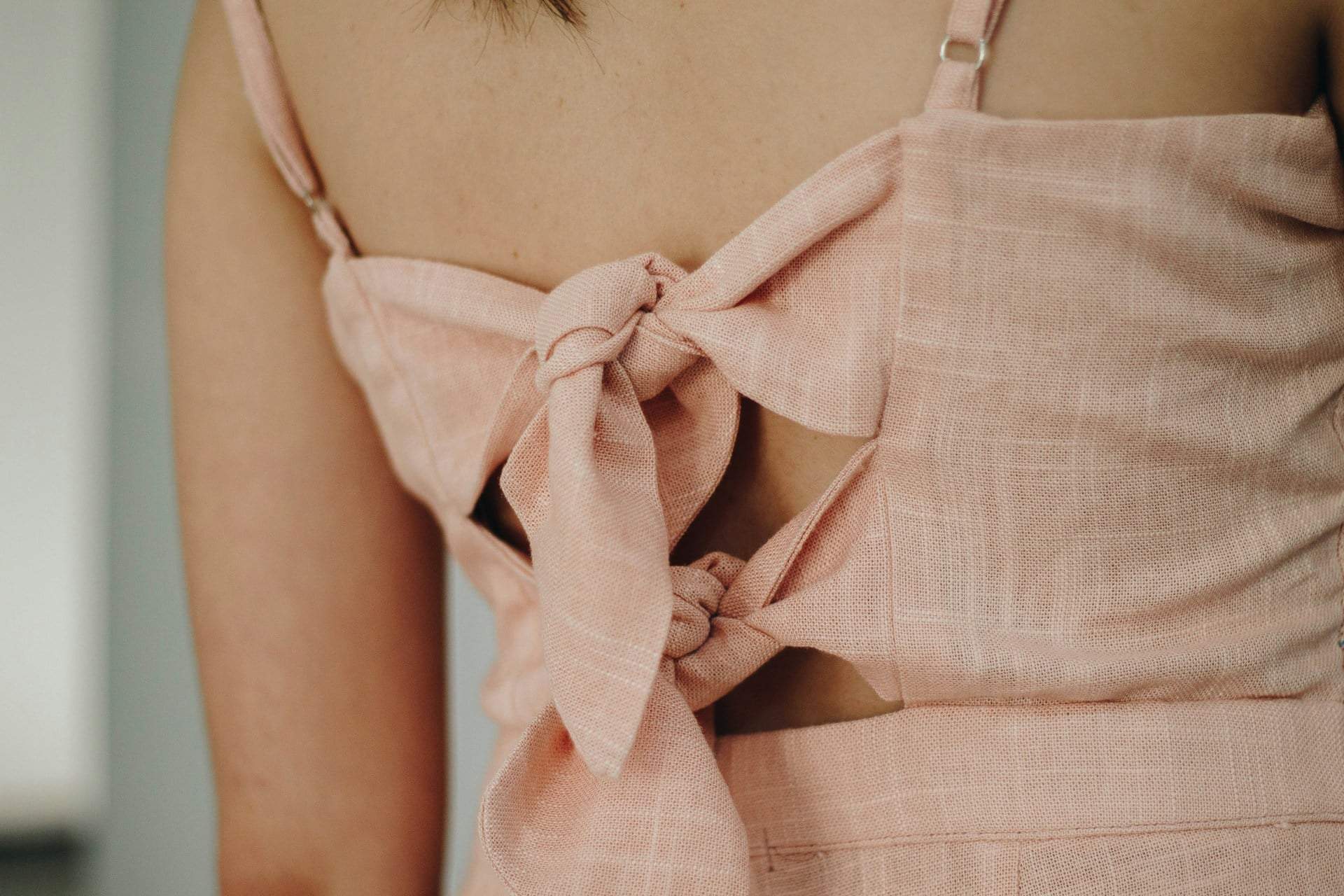
Turn the garment inside out and look at the inner seams. On a well-made piece, the edges are neatly finished, there are no loose threads, the lining lies flat, and the stitching is thin and even.
Cheaper mass-produced clothes often have thick, wavy hems that show through on the outside and disrupt the way the fabric hangs. In summer collections this matters even more, because on light materials like muslin or batiste, every tiny stitching flaw becomes instantly visible in the light and with movement.
2. Natural buttons instead of plastic
Shell, horn or wooden buttons are one of the simplest ways to make an everyday linen shirt or summer blouse look more expensive. These buttons don't have that shiny plastic sheen — they're matt, slightly uneven, and that alone creates a premium feel.
This summer, shell buttons are especially on trend on natural, beige and off-white pieces, because they harmonize with the raw, earthy aesthetic that fashion houses keep showcasing in their seasonal collections.
3. Textured fabric with a beautiful drape
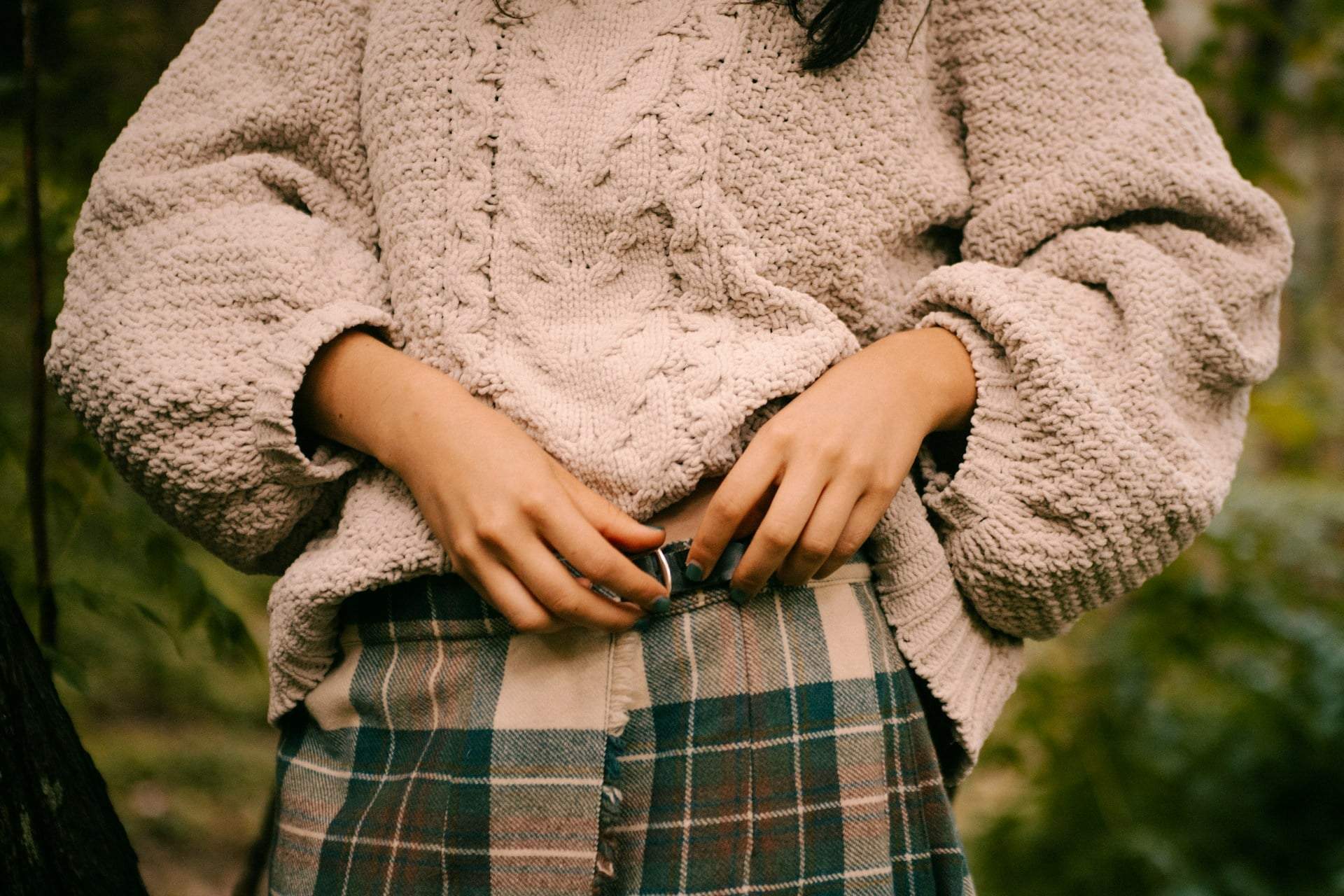
A thin, shiny, almost paper-like polyester looks cheap instantly, even if the cut is actually good. A heavier-draping viscose, a textured crinkled cotton or real linen, on the other hand, gives a dress a completely different character.
These fabrics don't cling to the body. They fall gracefully, move with a certain dignity, and don't crease into a mess the second you sit down.
4. A pattern that lines up perfectly at the seams
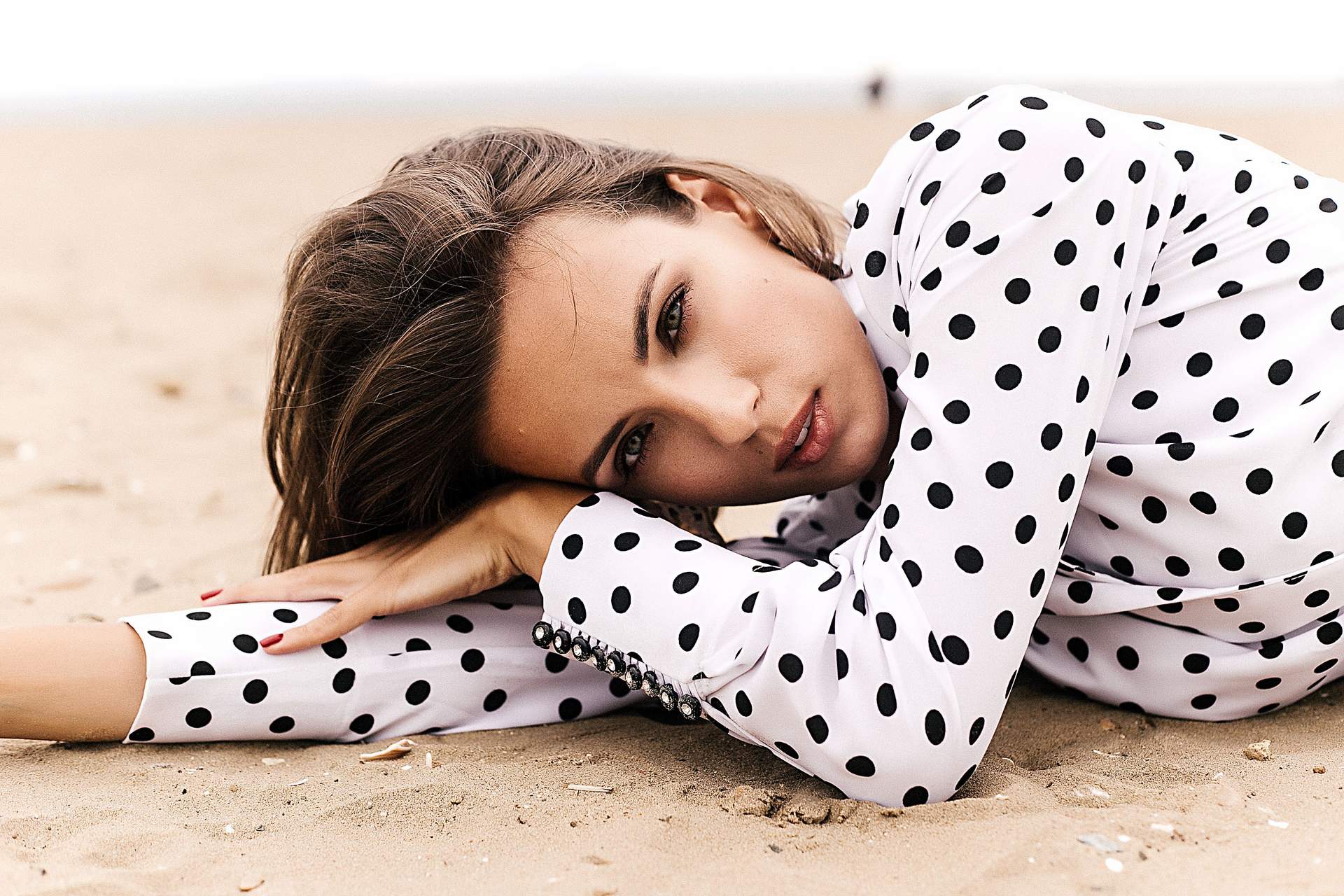
This is the detail most people never consciously notice — yet they can feel that something's off. When a striped or floral dress has a pattern that continues seamlessly at the seams, the sleeves and the side panels, it instantly reads as high quality.
When a stripe suddenly breaks, or a seam runs straight through the middle of a flower, it's a telltale sign the fabric wasn't cut carefully. Precise pattern matching is one of the basic standards of premium brands, and it's exactly what makes even a simpler dress — maybe one you ordered online — look far more refined.
Next time you're standing in a fitting room with a summer dress in your hands, it's worth spending a few extra seconds on these small things. It's not the brand name but these subtle marks of craftsmanship that decide whether a piece will actually look good on you all summer long.
How can I tell if a cheap dress is well made?
Turn it inside out and check the seams. Neat, flat, even stitching with no loose threads is a strong sign of quality, no matter what the price tag says.
Which fabrics look the most expensive in summer?
Heavier-draping viscose, textured crinkled cotton and real linen all look far more premium than thin, shiny polyester, because they fall gracefully and don't crease easily.
Why do shell and horn buttons look more expensive?
Unlike plastic, they have a matt, slightly uneven surface that catches the light naturally, which instantly gives even a basic shirt or blouse a more refined feel.
What does pattern matching mean and why does it matter?
It means stripes or floral prints continue smoothly across the seams instead of breaking abruptly. Careful pattern matching is a hallmark of premium brands and makes a garment look much more expensive.