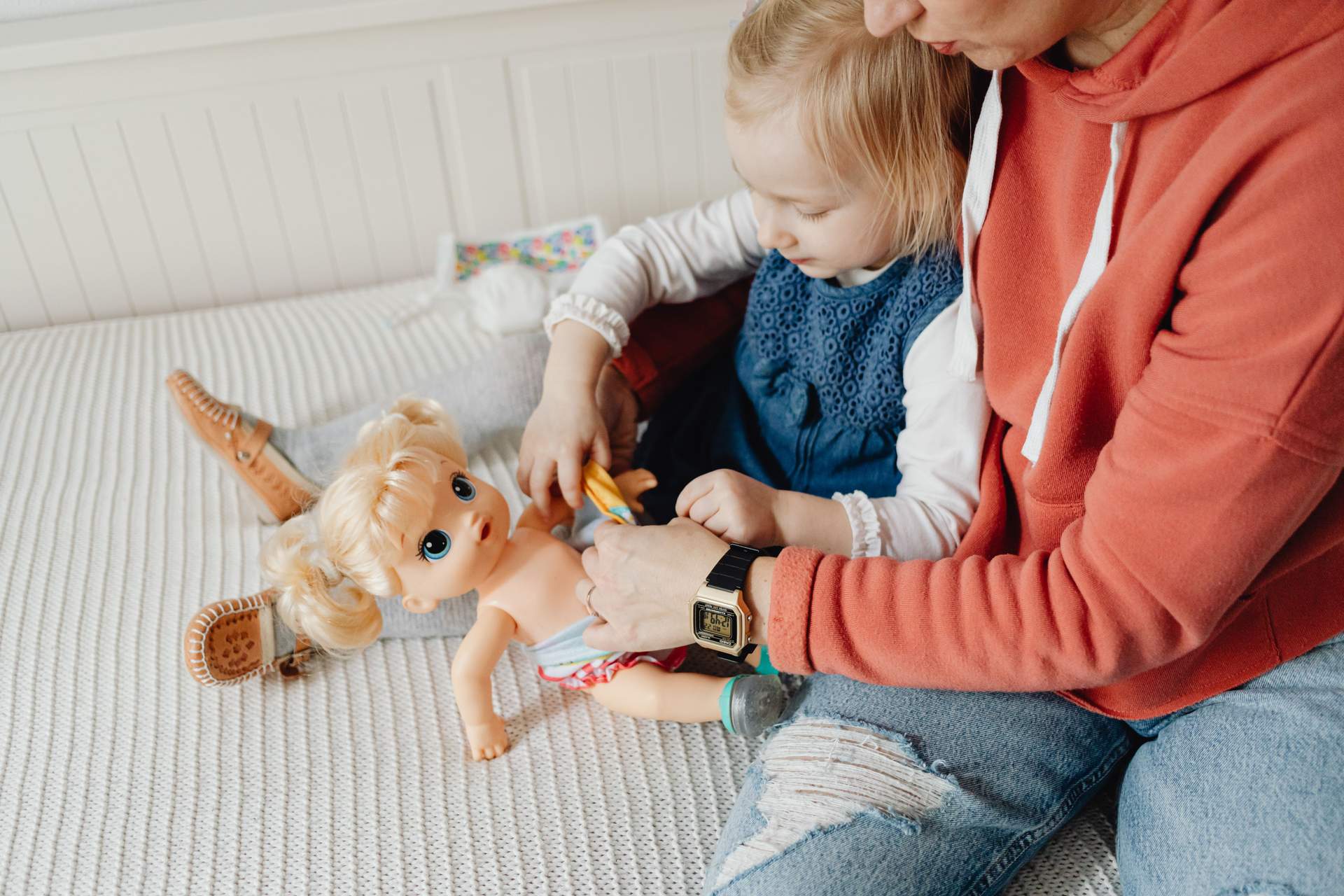
A child’s self-confidence often reflects their parents’ attitudes and parenting style, since kids mostly absorb and learn from what they see modeled. Parents may not realize that their own behavior can unintentionally hold back their child’s self-esteem and confidence. Let’s explore what habits can harm kids’ self-belief and what to avoid in parenting.
The Pitfalls of Over-Worrying
Many parents tend to be overly protective, which is totally understandable because everyone wants the best for their child. But too much worry can actually hurt a child’s confidence. When parents constantly warn their kids to be careful, not to fall, or not to try things they fear, it can make children feel like they can’t stand on their own two feet.
This mindset can hold kids back over time, shaking their belief in their own abilities. It’s important for parents to give children the freedom to explore and learn—this is how they gain valuable experience.
The Impact of Unrealistic Expectations
Another common mistake is setting expectations that are too high. We all want our kids to succeed, but pushing them to constantly meet demanding standards can backfire. When children feel they must always live up to their parents’ expectations, they risk losing confidence.
Unrealistic goals not only cause stress but can make kids fear failure so much that they doubt themselves constantly. Parents can help by supporting their child’s unique strengths and encouraging a healthy sense of self-worth.
The Effect of Negative Comments
Criticism and negative remarks are another common pitfall that can deeply hurt a child’s confidence. Building self-esteem works best with positive feedback. Frequent negative comments chip away at a child’s self-respect and confidence. Parents should seize every chance to praise their kids for their efforts and achievements.
Encouraging words help children believe in their abilities and feel brave enough to try new things they want to learn or accomplish.

The Dangers of Overprotection
Lack of confidence often stems from overprotective parenting. When parents try to solve every problem for their child, they can unintentionally block their growth. Kids need to learn how to solve problems and find their way out of tough situations on their own.
Overprotection also risks making children dependent on constant help, which can make independent living harder as they grow up.
The Lack of Emotional Support
Not having enough emotional support can also deeply lower a child’s confidence. It’s the parents’ role to create a loving, safe space where kids feel free to express their feelings and thoughts. When children can play and be themselves, it helps build a positive self-image. Make sure there’s time every day for meaningful conversations.
Every parent wants the best for their child, and understanding these common parenting pitfalls can make a big difference. Building confidence is a long journey, but mindful parenting can help raise confident, emotionally strong adults.