If you ask real people about their family dynamics, you’ll get a mix of answers. Some siblings are inseparable: chatting every day and sharing even the most awkward dating stories. Others keep things polite and distant — or may have lost touch altogether. And even without big drama, that’s totally normal.
“It’s perfectly okay if siblings function more like friendly acquaintances whose lives overlap,” says Erin Runt, couples and family therapist, in an interview with SELF. “Many people assume that how often you talk equals emotional closeness.” But in reality, that’s not always the case — no matter what family sitcoms or flawless Instagram posts suggest. And you shouldn’t feel guilty about it.
So what decides if some siblings become best friends while others simply coexist? Family therapists say — even without major conflicts — several factors come into play.
1. Parental Approach
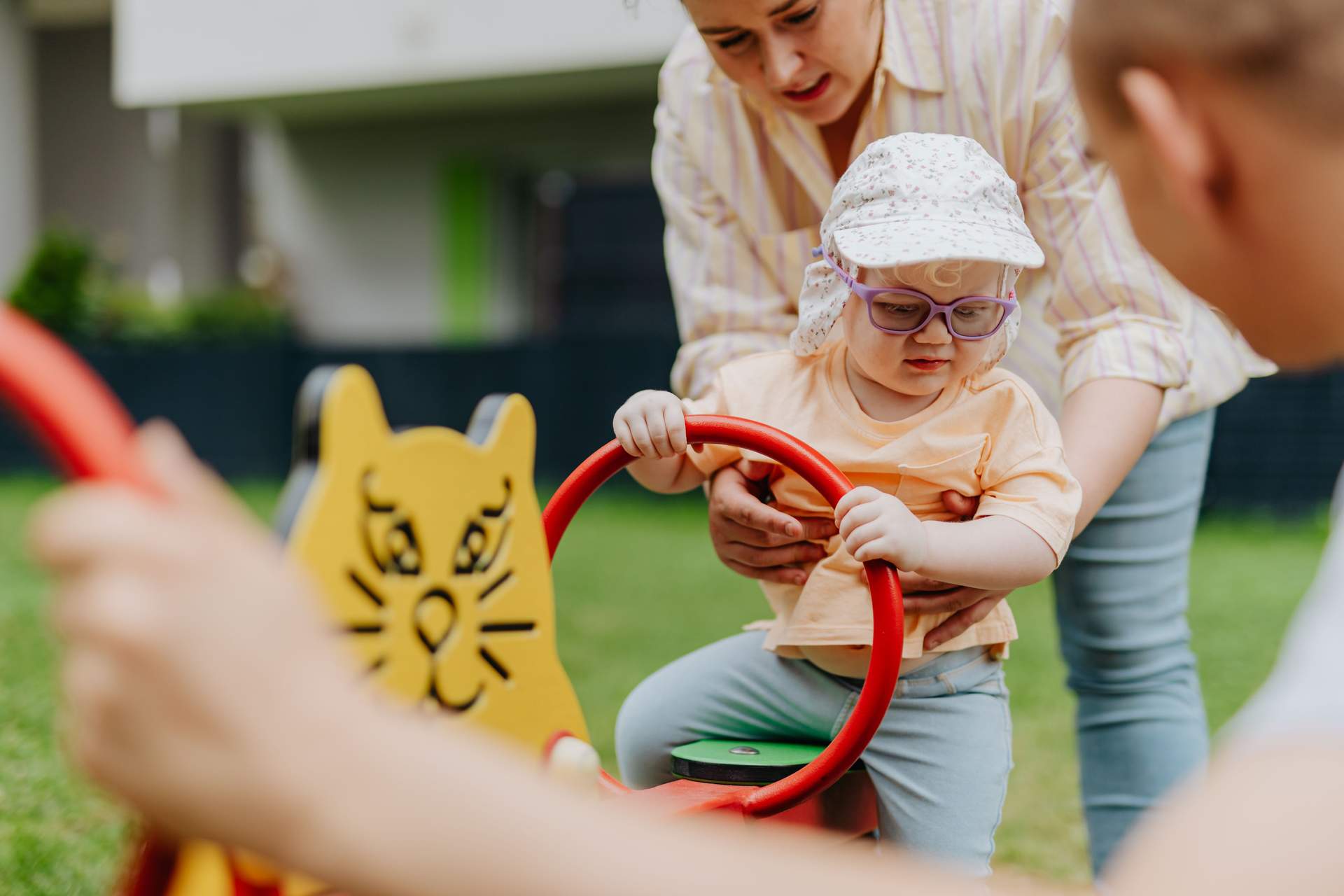
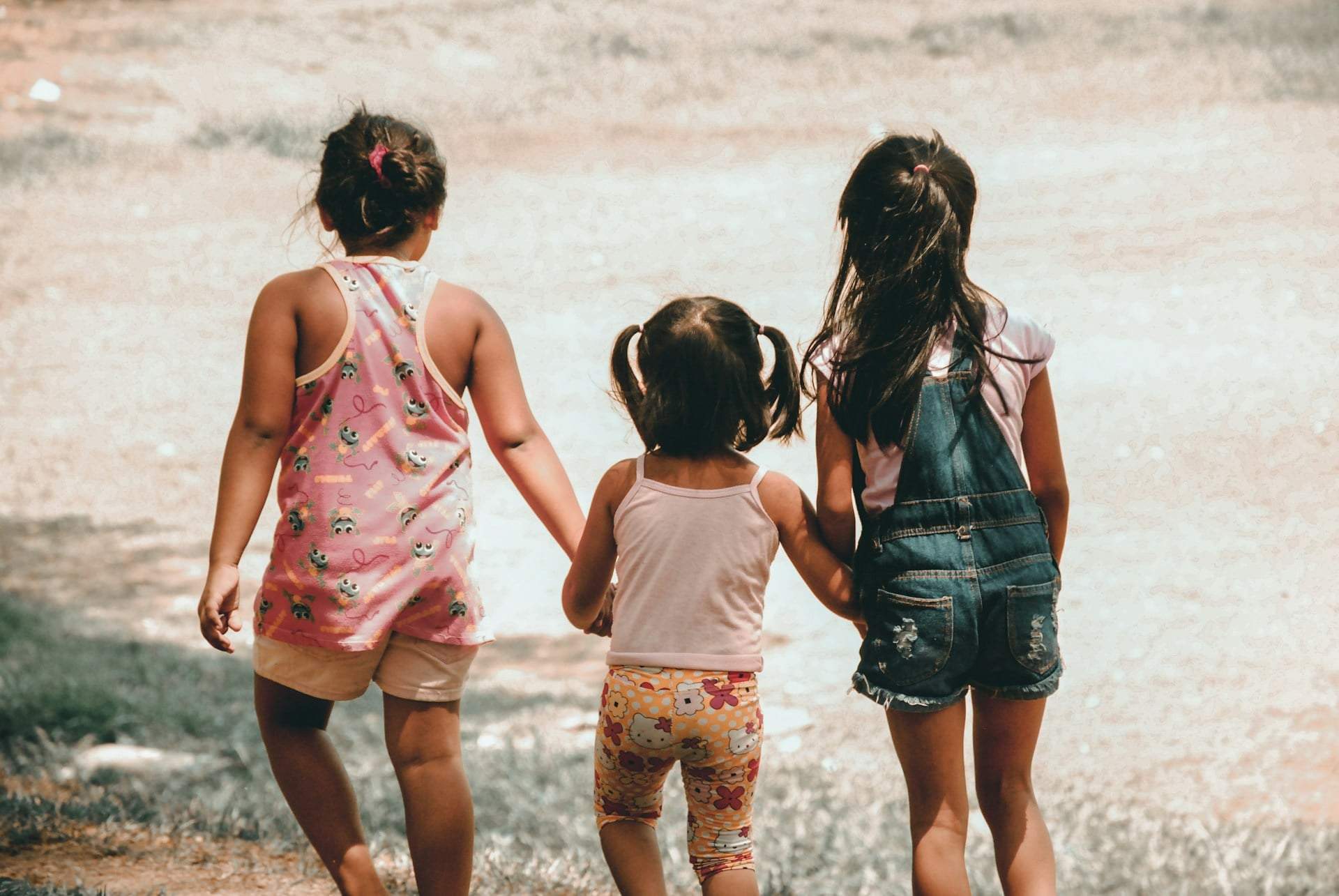
Some families — and cultures — have parents who intentionally raise their kids to have close bonds: to look out for each other, count on one another, and see each other as natural allies. Maybe your mom always insisted you take your little sister to the playground, or your older brother taught you how to swim, bike, or drive.
Runt explains that these early experiences — support and teamwork — quietly but deeply shape how siblings connect as adults.

2. Family Favoritism
Just as positive experiences bring siblings closer, negative ones can push them apart.
“Favoritism is one of those things parents often do — sometimes unintentionally,” says therapist Karen Gail Lewis.
It doesn’t matter if you’re the older or younger child: the one who received less “special treatment” — faced more criticism, stricter rules, or constant comparisons — can carry resentment. This can make building trust and a positive relationship much harder over time.

3. Shared Life Stages
Even if siblings weren’t close as kids, they can grow closer as adults when they hit similar milestones.
“Maybe they got married around the same time or became parents together,” adds Runt.
These changes naturally lead to asking each other for advice or leaning on one another for support. These experiences create a new shared foundation — one that feels natural, not forced.

4. Age Gap
Many people like to guess what the “ideal” age gap between siblings is, but Gail Lewis says there’s no clear pattern predicting closeness based on age, gender, or gender identity.
On the other hand, siblings close in age might face more comparisons or subtle competition.
“A big age gap at least reduces rivalry,” says Gail Lewis. But a smaller gap doesn’t guarantee a close bond.

5. Personality Differences
Sometimes the explanation is simple: you just don’t have much in common. Both therapists agree personality differences can be so strong that if you hadn’t grown up in the same household, you might never pick each other as friends.
An introverted homebody and an extroverted sports enthusiast probably won’t enjoy the same activities. Likewise, a rebellious risk-taker might not easily click with a rule-following, conflict-avoidant sibling.

The bottom line: not every sibling relationship has to look like the Geller siblings from Friends. What matters is finding the kind of connection that works for both of you. It might mean daily, deep, trusting talks. Or a few holiday get-togethers a year. Or a FaceTime call here and there to vent about mom and dad together.