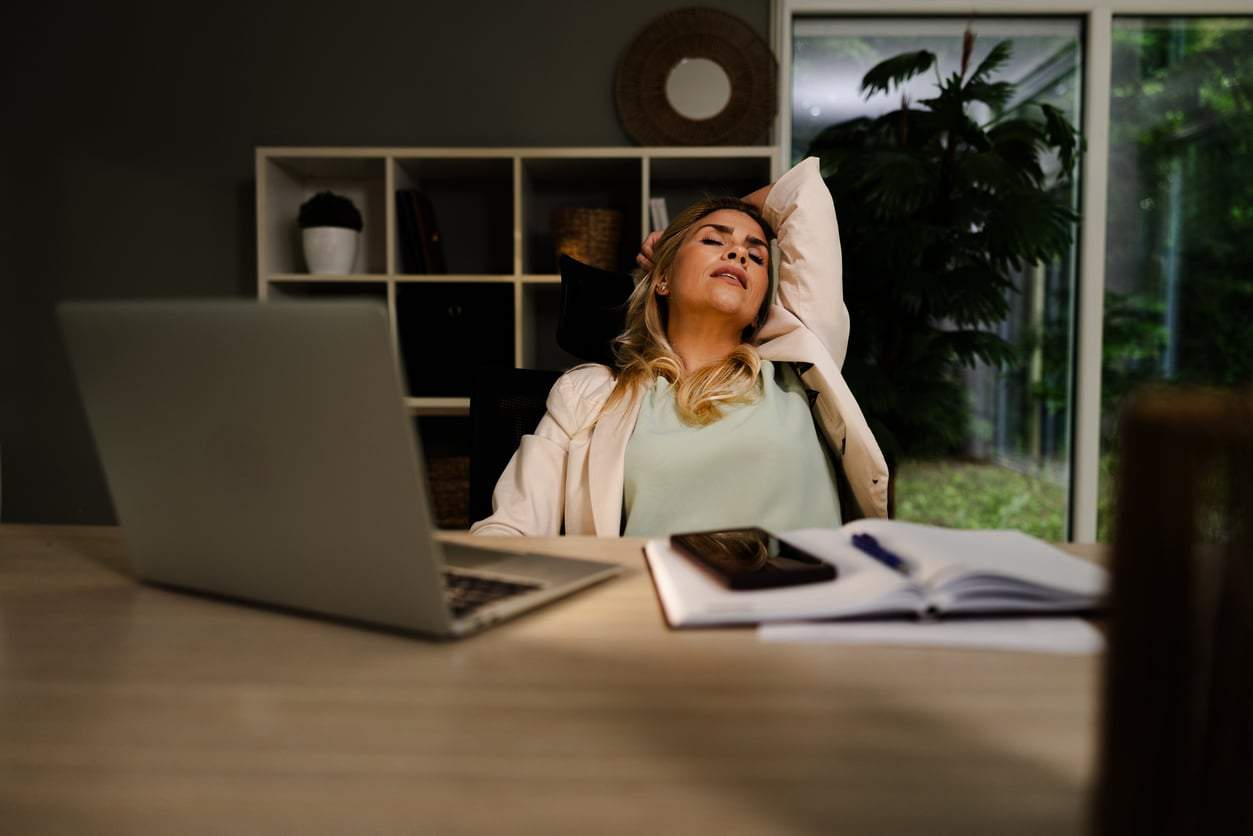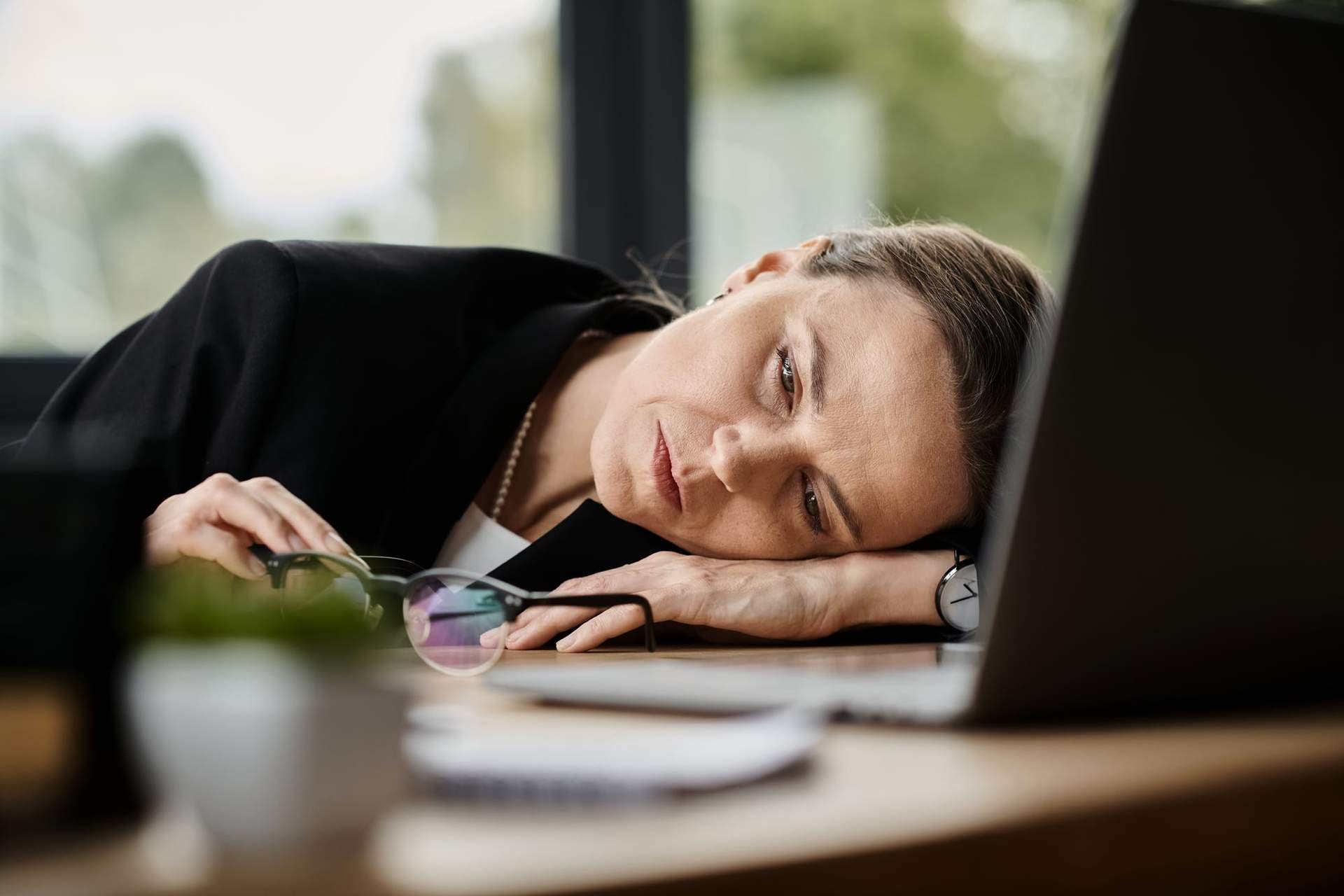
Exercise can feel like a miracle cure: it boosts your mood, melts away stress, and leaves you feeling more comfortable in your own skin. But what happens when it stops working that way? Instead of walking out of a workout feeling energized, you feel drained, tense, or emotionally spent. That's not a sign you're doing something wrong — it's a sign your body and mind are asking for something different right now.
When exercise stops feeling good
Workouts deliver their best results when there's a healthy balance between effort and recovery. When that balance tips too far in one direction, the benefits can quietly reverse. This is often linked to overtraining — when your body simply doesn't get enough time to recover between sessions.
Chronic overtraining without adequate rest can lead to what's known as overtraining syndrome — a state where performance drops and mental health starts to suffer alongside physical recovery.
Symptoms can include persistent fatigue, increased irritability, anxiety, and a low mood that lingers even on rest days.
5 signs your workout is working against you
It's not always easy to spot the moment exercise shifts from helpful to harmful. But these warning signs are worth paying attention to:
- Your mood doesn't improve after exercise. Movement should release tension, not add to it. If you consistently feel more anxious, irritable, or low after a workout, your body may be telling you something important.
- You feel a deep, persistent exhaustion. There's a big difference between the satisfying tiredness after a good session and the kind of bone-deep fatigue that doesn't go away — even after a full night's sleep.
- Workouts that used to feel easy now feel brutal. If the same routine suddenly feels overwhelming, it's a strong signal that your body isn't recovering properly between sessions.
- Your sleep has gotten worse. Exercise usually improves sleep quality — but too much, or working out too late in the day, can have the opposite effect, making it harder to fall asleep and leaving you restless through the night.
- Exercise feels like an obligation, not a choice. If you're no longer moving because it feels good but because you feel guilty when you skip it, your relationship with exercise may have shifted into unhealthy territory.
When exercise becomes a coping mechanism
For many people, working out isn't just about the body — it's also about managing emotions. That's completely natural, and often genuinely helpful. The problem arises when it becomes the only tool in the box.
If you're using exercise mainly to suppress or escape difficult feelings, it can lead to the same kind of burnout as physical overtraining. And there's another layer to this: chronic stress itself increases the risk of injury, making an already strained body even more vulnerable.
Why rest is not the enemy
Slowing down can feel counterintuitive — especially if exercise has become a cornerstone of your routine. But rest isn't a step backward. It's an essential part of the process itself.
How to reset and find your balance again
If exercise is currently draining you more than it's restoring you, a gentle reset can make a real difference. Here's where to start:
- Take a break or dial it back. This might mean full rest days or simply lowering the intensity. The goal is to give your body and mind real space to recover.
- Switch to gentler movement. Walking, stretching, or yoga can keep you moving without pushing your system past its limits.
- Tune into how you actually feel. Shift the focus away from performance metrics and toward your experience. Do you feel better before, during, and after — or worse?
- Build recovery into your routine, not just your schedule. True recovery goes beyond a day off. It includes quality sleep, nourishing food, and actively managing stress.
- Look at what's underneath. If exercise has become your primary way of coping, it may be worth exploring other outlets too — talking to someone you trust, journaling, or seeking professional support.
One important note: if fatigue or mood changes persist even after you've rested and reduced your training load, it's worth speaking with a doctor or mental health professional. Sometimes exercise isn't the root cause — it's simply where the symptoms show up first.