1. Avoid Planting in the Hottest Part of the Day
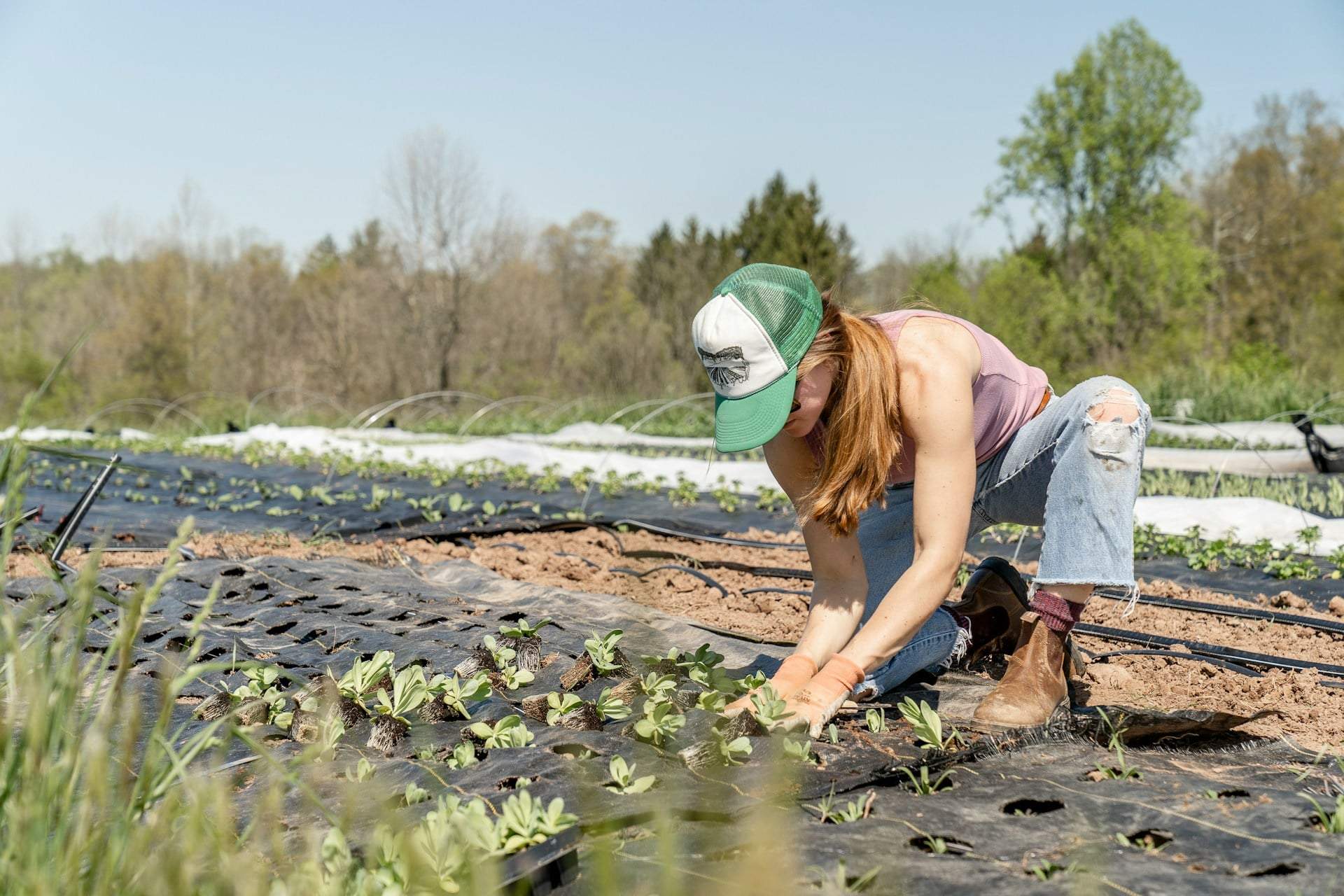
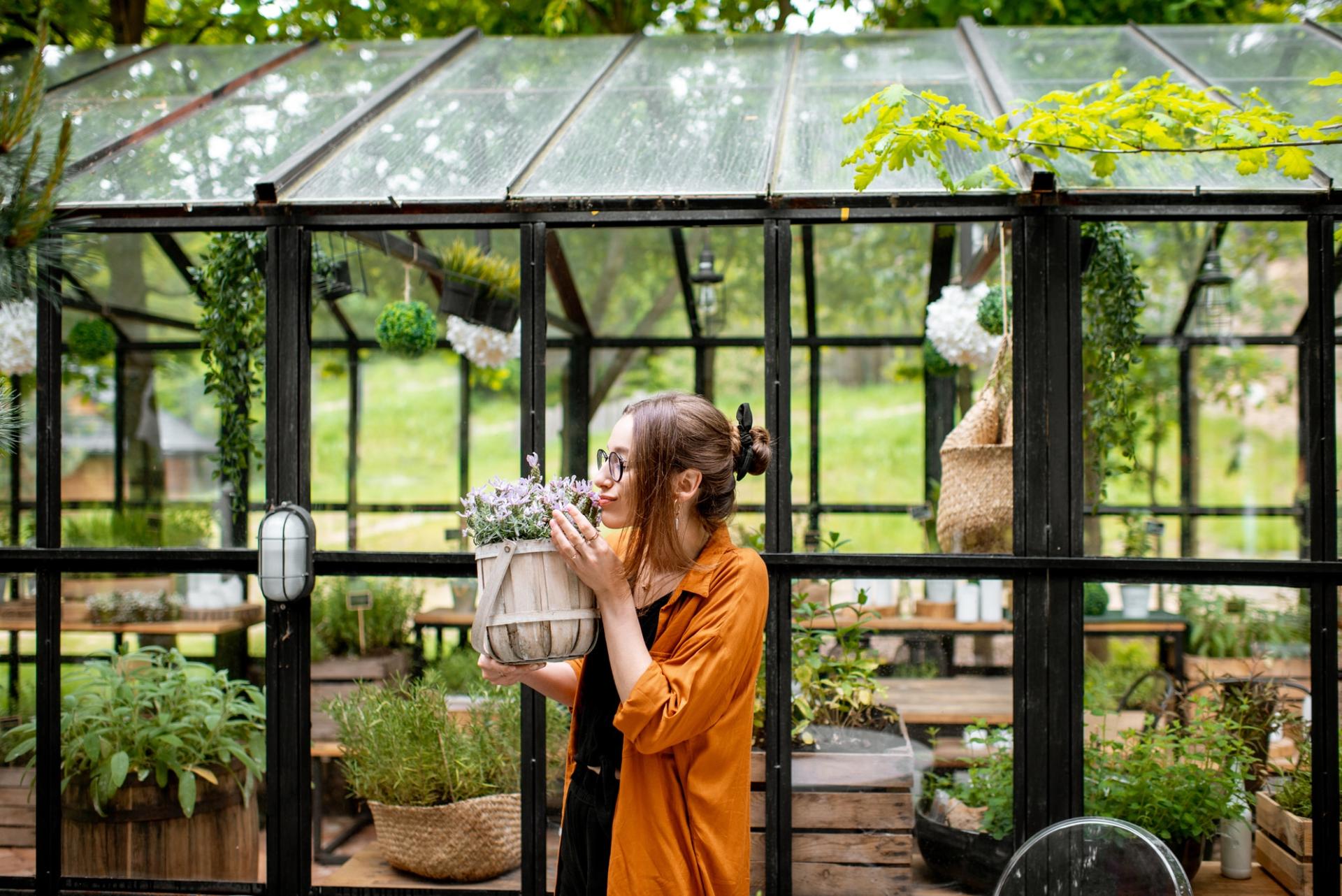
Sunshine, warm weather, a day off—sounds perfect for planting, right? Well, not quite. Planting seedlings in the blazing midday sun means they face transplant shock and heat stress all at once, which can be overwhelming. Instead, choose early morning or late afternoon when temperatures are gentler and kinder to your plants.
2. Don’t Dig a Hole That’s Too Deep
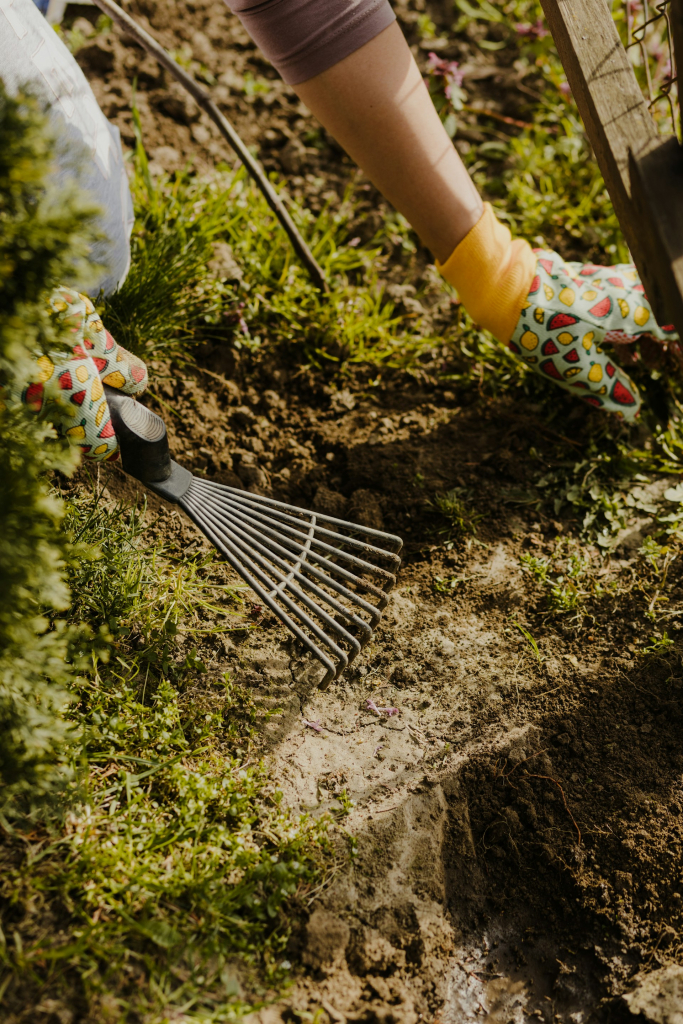
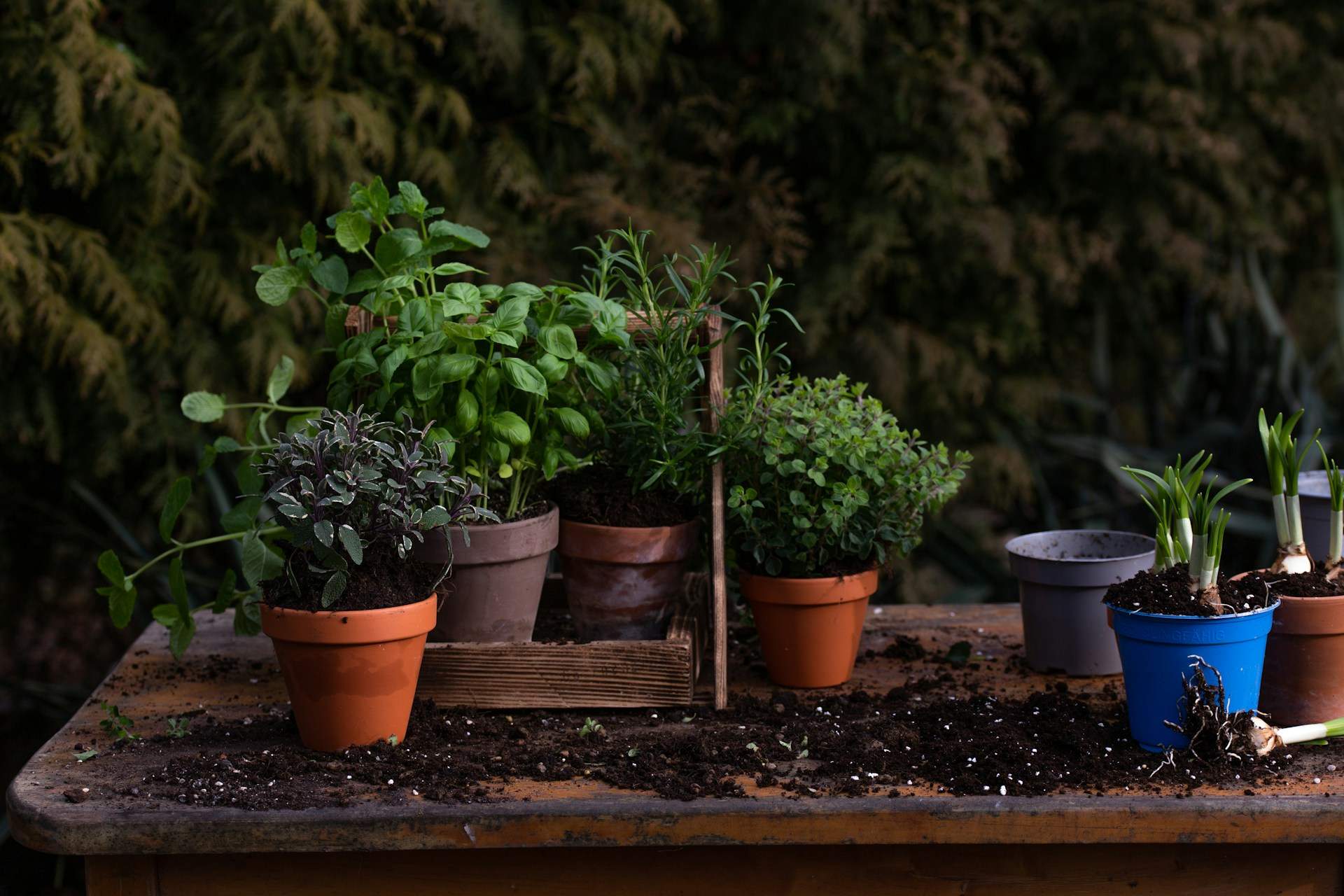
Many think deeper holes are better for plants—but that’s not true. Planting too deep buries the stem base, making it hard for roots to breathe and possibly causing rot. The trick is to dig a hole just the size of the pot—no more than half a centimeter (about ¼ inch) deeper—and loosen the soil around it so roots can spread easily.
3. Don’t Overdo Fertilizing
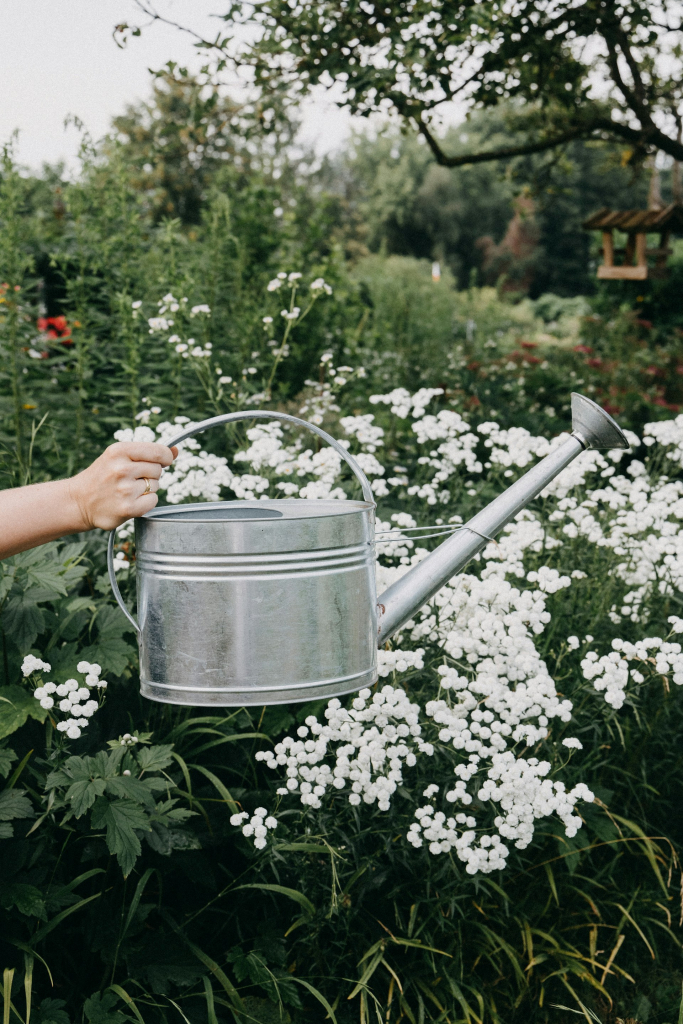
We all want our plants to be healthy, vibrant, and fast-growing, but too much fertilizer can backfire. It can burn roots, cause excessive leaf growth at the expense of flowers or fruit, and even attract pests. Stick to the recommended dosage on the package and opt for slow-release fertilizers when possible.
4. Don’t Plant Too Many Annuals Too Early in Spring
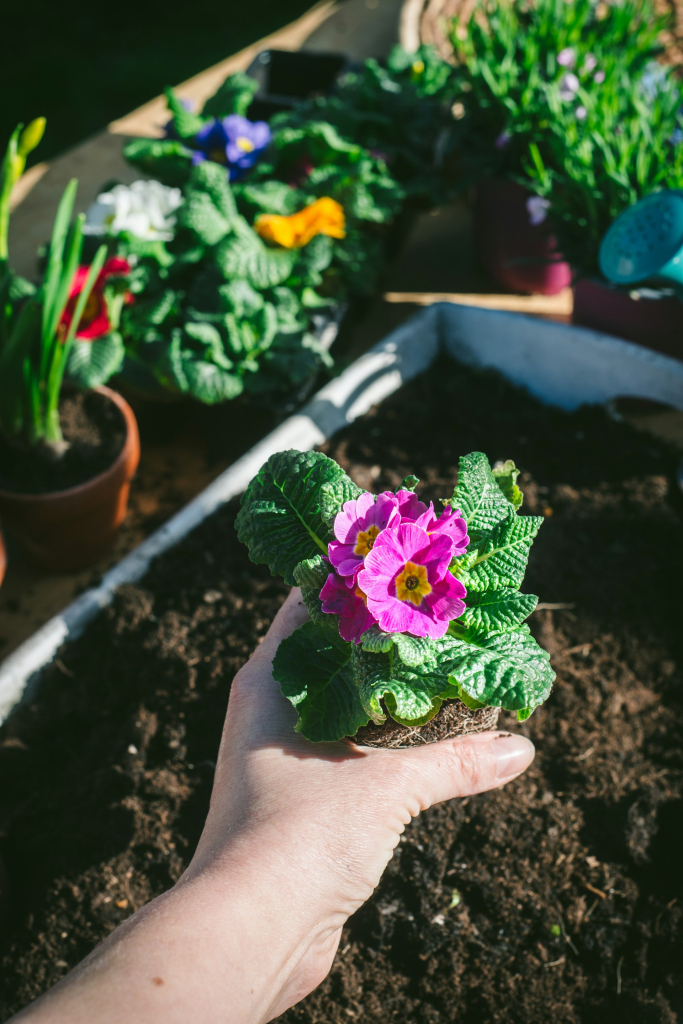
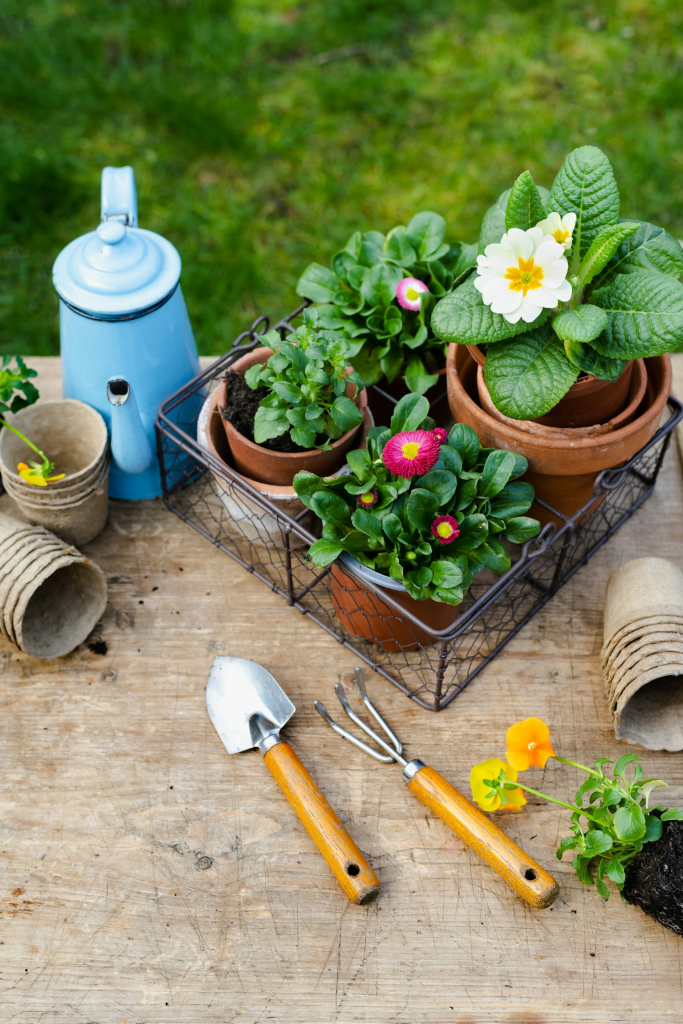
Spring is exciting—after winter, nurseries burst with blooms and you might find yourself bringing home a dozen annuals by mid-March. But beware: if a late frost hits, these beauties won’t survive. It’s best to wait until after the last frost before planting outside, unless you’re starting seedlings indoors in a warm spot.
5. Pay Attention to Proper Watering
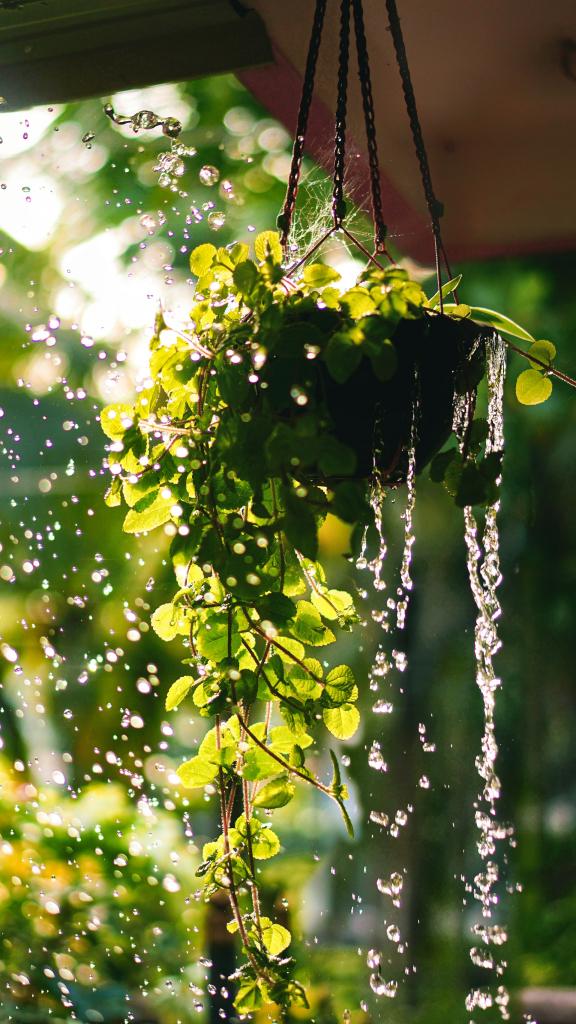
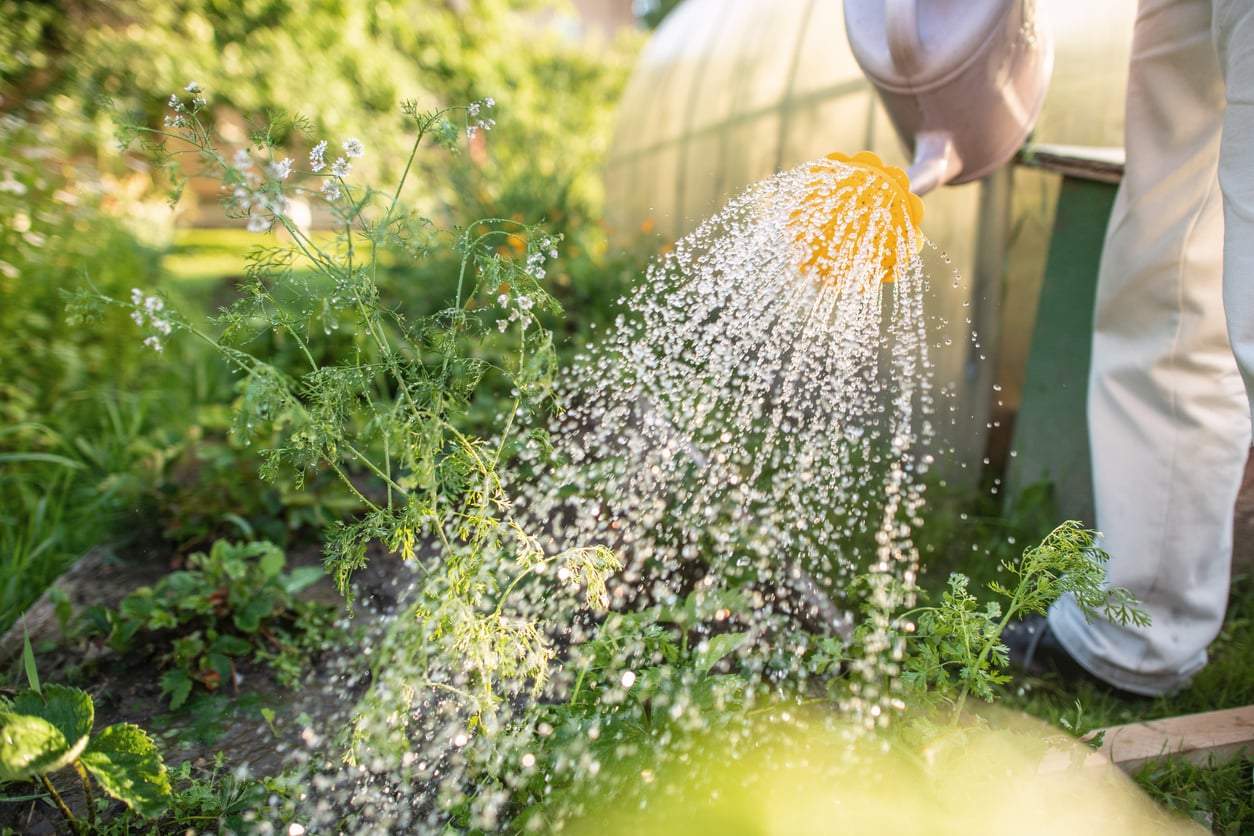
One of the biggest beginner questions: Did I water enough? This often leads to overwatering, which can damage roots, cause rot, and invite fungal diseases. Underwatering isn’t good either. The key is regular watering that matches the weather—ideally in the morning or evening when evaporation is lower.
6. Avoid Invasive Plants
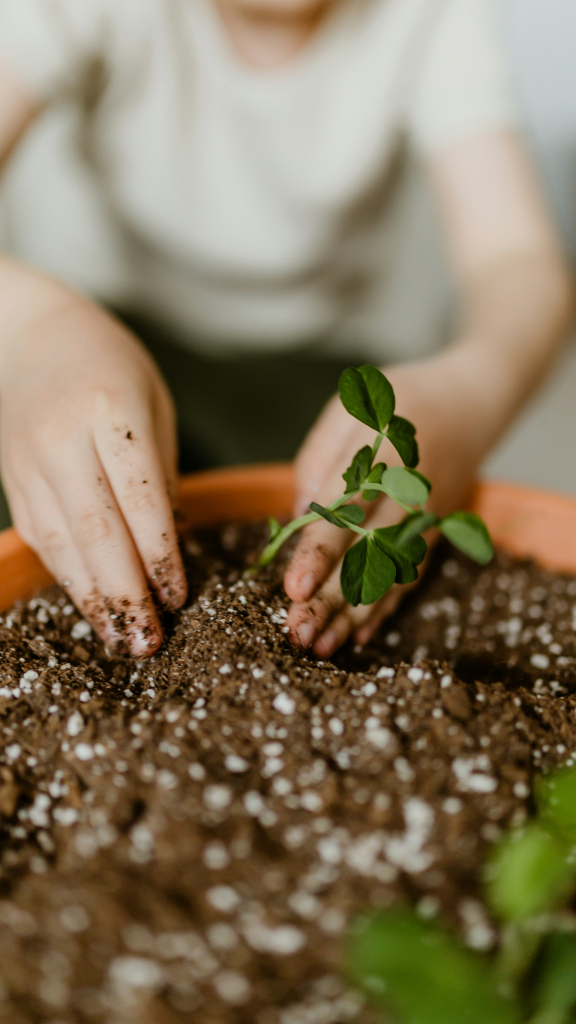
“Easy-care” and “fast-growing” plants might sound appealing but many are invasive, crowding out local, beneficial species. This can disrupt your garden’s ecosystem and make life harder for pollinators and other helpful creatures. Before bringing a new plant home, check if it’s on invasive species lists and choose native varieties adapted to your climate instead.
Tip: If you’re unsure about when to plant or water, local nurseries are happy to help—and they’ll even recommend plants perfect for your garden. Your plants will thank you with healthier, happier growth!