Most garden problems don't announce themselves dramatically — they creep up quietly, and by the time you notice something is wrong, it's the height of summer and the damage is done. The good news? If you catch these five common mistakes now, in May, you still have time to turn things around before the heat sets in.
Planting the wrong plants in the wrong place
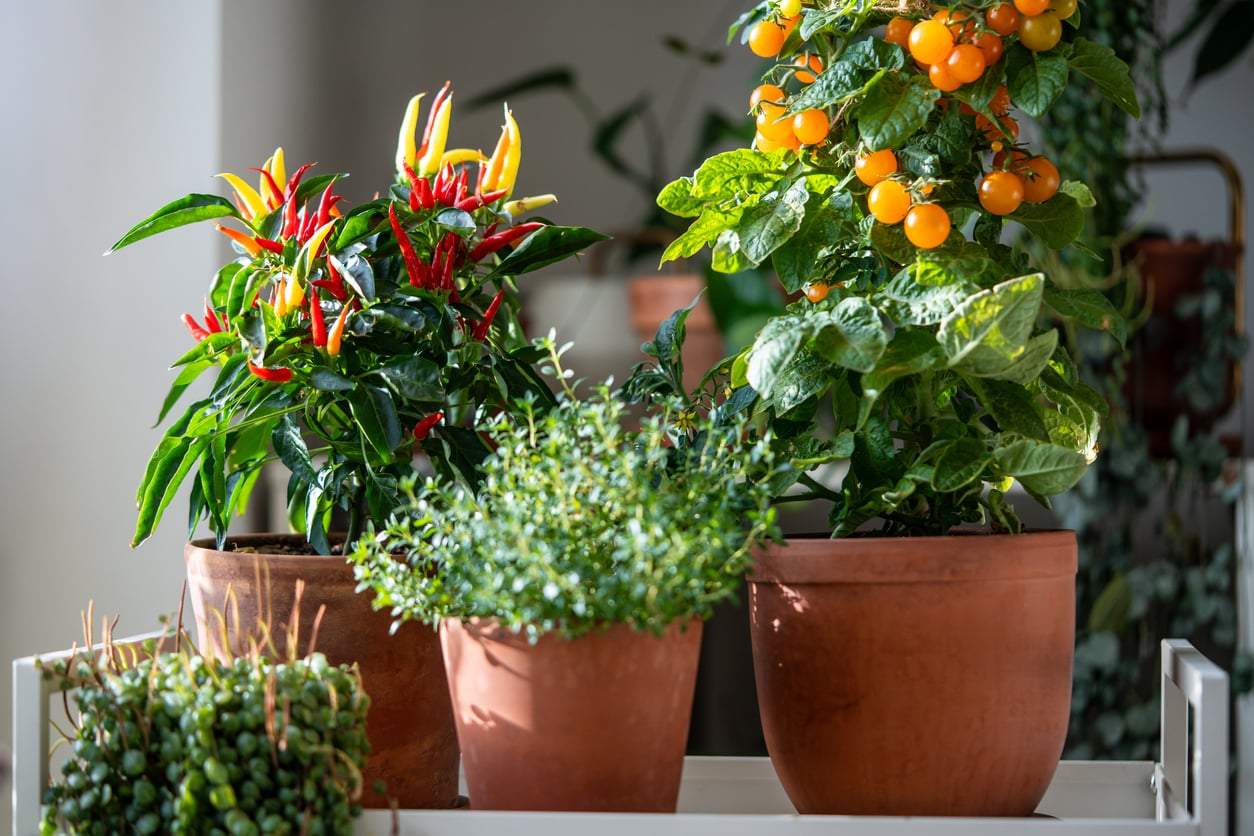
It's easy to get swept away at the garden centre. A beautiful flower, a promising vegetable, and suddenly you're home with plants that have no business being in your garden's particular conditions. Soil type, light levels, and local microclimate all matter enormously — and ignoring them is one of the most common reasons plants struggle or fail entirely.
A sun-loving plant tucked into a shady corner will limp along through spring, then give up completely when summer heat arrives. May is still early enough to transplant anything that's clearly in the wrong spot. Take a honest look at what you planted and where — and don't be afraid to move things around before it's too late.
Overwatering and poor drainage
Overwatering is one of the most widespread beginner mistakes in gardening — and spring's unpredictable rainfall makes it even easier to get wrong. It feels counterintuitive, but too much water can be just as damaging as too little. Waterlogged soil cuts off oxygen to the roots, leading to rot that often goes undetected until a plant suddenly collapses in midsummer.
This month, pay close attention to how quickly your soil drains after rain or watering. If puddles linger, something needs to change. Adding a layer of mulch around your plants is one of the simplest fixes — it regulates moisture, reduces evaporation, and keeps roots at a more stable temperature as the weather warms up.
Leaving weeds too long
Weeds in May look harmless. By July, they've taken over. What starts as a few stray plants quickly becomes a dense network competing with your flowers and vegetables for water, nutrients, and light — and once they've seeded, you're fighting them for years.
May is your best window for effective weeding, before most weeds have had a chance to flower and set seed. Pull them by hand or use an organic weed control method while the soil is still workable. The effort you put in now will pay off all summer long, giving your plants the space and resources they need to thrive.
Missing the signs of nutrient deficiency
May marks the beginning of the most intensive growth period for most garden plants — and that means their nutritional demands spike. Yellowing leaves, stunted growth, or pale, washed-out foliage are all early warning signs that something is missing from the soil, but many gardeners only notice these signals when they've become serious problems.
Don't wait for visible distress. Feed your plants proactively with the right fertiliser for each type, and check your soil's pH if you haven't recently — even the best fertiliser won't be absorbed properly if the pH is off. A simple soil test kit can save you a lot of frustration later in the season.
Neglecting your lawn mower settings
Mowing seems straightforward, but the wrong mower settings can quietly ruin your lawn over the course of a season. Cutting the grass too short is one of the most damaging things you can do — it stresses the grass, dries it out faster, and creates bare patches that weeds are only too happy to colonise.
May is the ideal time to check your mower's blade height and, just as importantly, the condition of the blade itself. A dull blade tears the grass rather than cutting it cleanly, leaving ragged edges that brown quickly and weaken the overall lawn. A sharp blade, set at the right height, is one of the easiest ways to keep your lawn looking lush and healthy right through to the end of summer.
Gardening rewards those who pay attention early. The small decisions you make in May — where a plant sits, how much water it gets, whether you deal with those weeds now or later — shape everything that follows. Get these five things right this month, and you'll spend summer enjoying your garden instead of trying to rescue it.