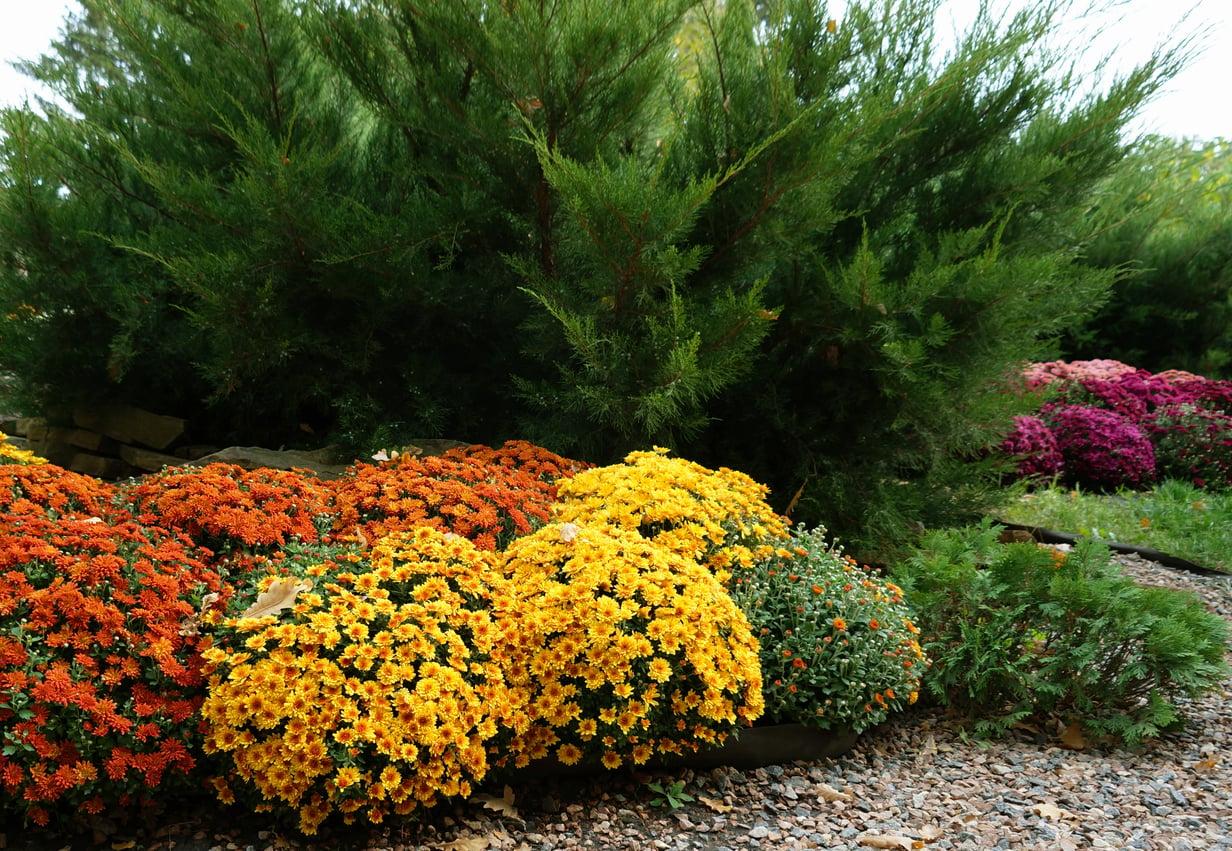
One of autumn’s true gems is undoubtedly the chrysanthemum. This vibrant, colorful flower is a favorite on porches, patios, and flower beds—especially when paired with a few pumpkins. But no matter how festive the colors and fall vibes, planting them in the wrong spot can quickly ruin the look and even harm your plant.
Before you plant chrysanthemums, it’s smart to know where not to put them. The Spruce recently consulted two experts to pinpoint these no-go zones. Here are the spots Melissa Frost, owner of Frost Farms, and Justin Hancock, horticulture expert at Costa Farms, recommend avoiding!
1. Shady Spots
Chrysanthemums thrive in sunlight—they simply can’t do well without it. In shady areas, their health visibly declines.
“Without enough light, chrysanthemums become much more vulnerable to pests and diseases—especially powdery mildew, which can severely strip the plant,” says Justin Hancock.
Plants stretch out and produce far fewer blooms. So, it’s crucial to pick a sunny spot, keeping in mind chrysanthemums need at least 6-8 hours of direct sunlight daily. If you’re keeping them in pots for just a few weeks, like by the front door, less light might work. But for long-term planting, don’t settle for less.
2. Poor Drainage Areas
Chrysanthemums love moisture—but only if their roots aren’t sitting in water. “They need well-draining soil and are much more prone to disease if planted in soggy, waterlogged spots,” Hancock warns.
If your garden has drainage issues, try raised beds or mix some compost into the soil. When planting in pots, always use containers with drainage holes and choose loose, well-draining potting soil.
3. Clay or Compacted Soil
Even if it’s not constantly wet, clay soil isn’t ideal. Heavy, compacted earth restricts root growth and stresses the plant.
“If water lingers long after rain or the soil is hard to dig because it’s clayey and compacted, that spot probably isn’t right for chrysanthemums,” Hancock explains.
To fix this, loosen the soil with compost or organic matter. This improves soil structure and lets roots spread more easily.

4. Areas with Overhead Sprinkler Systems
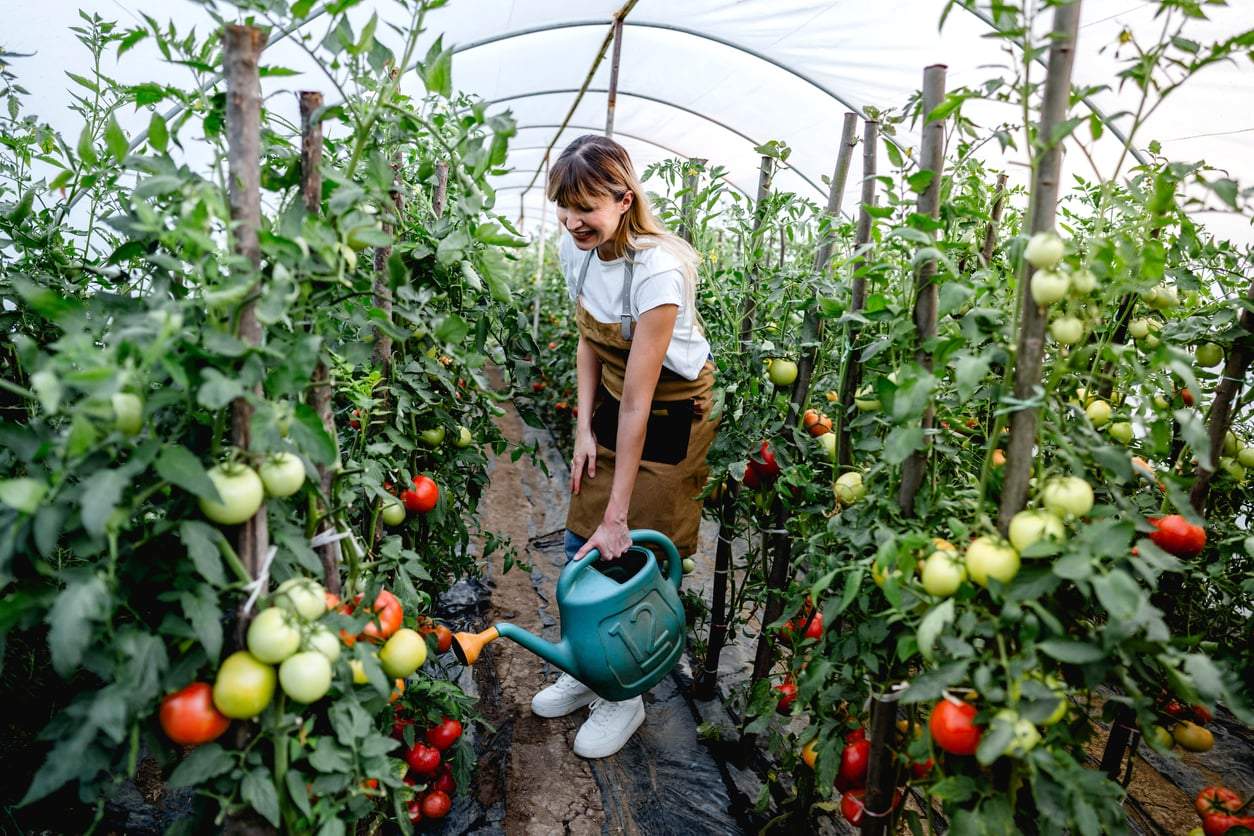
Chrysanthemums don’t like being watered from above. Water sitting on leaves can cause powdery mildew and other fungal diseases, especially in warm, humid weather.
“Always water chrysanthemums at the soil level, right at the base—not by spraying the leaves,” emphasizes Melissa Frost.
So overhead sprinklers aren’t ideal. The best approach? Use drip irrigation or hand watering to deliver water straight to the root zone.
5. Extreme Climate Zones
Many chrysanthemums can survive winter as perennials—but only if the climate suits them.
“If you live in a zone colder than USDA 4, your chrysanthemum probably won’t survive winter unless you pick a specially hardy variety,” Hancock says.
“On the flip side, if you’re in a very warm zone (like 9 or 10), chrysanthemums might not get the chill they need and may not bloom again next year.”
Hungary typically falls in USDA zones 6-7, so most varieties do well here—but always check the label when buying!
+ Tip: Always verify if your chosen variety is perennial and what conditions it needs to thrive through winter. Chrysanthemums reward you beautifully—but only when they feel right at home.