One of the most important factors when planning and caring for your garden is setting up the right watering routine. A well-designed watering schedule not only supports healthy plant growth but also helps save water.
When’s the Best Time to Water?
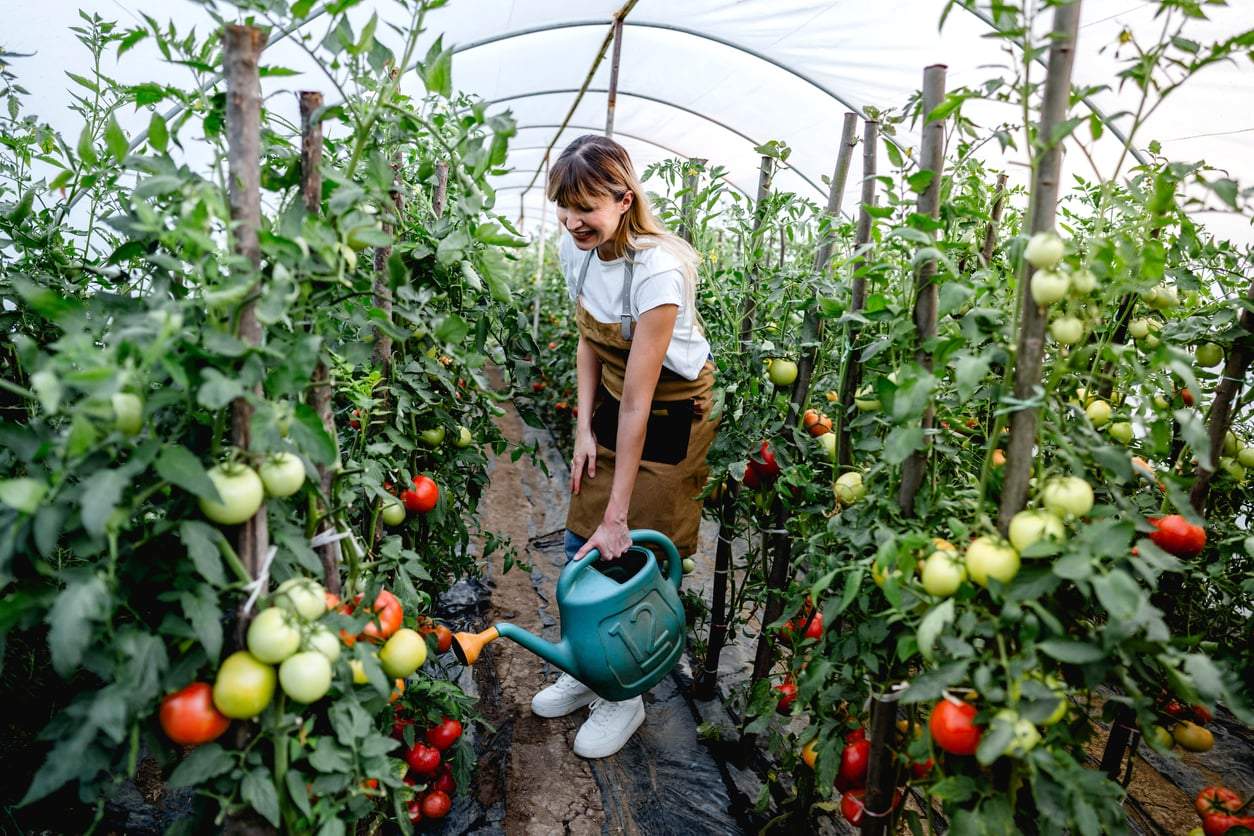
The two best times to water are early morning and late afternoon.
Morning watering is great because temperatures are still cool and the sun isn’t strong yet, so water won’t evaporate too quickly. This gives plants plenty of time to absorb the moisture they need.
Evening watering also works well since it’s cooler, which helps water soak in efficiently. Just be sure leaves don’t stay wet for too long to avoid encouraging fungal diseases.
How Much Water Is Enough?
To water properly, know your plants’ needs and your garden’s soil type. As a rule, it’s better to water deeply but less often than to water lightly and frequently. Deep watering encourages roots to grow stronger and deeper.
Sandy soil dries out faster and needs more water, while clay soil holds moisture longer.

How to Avoid Overwatering
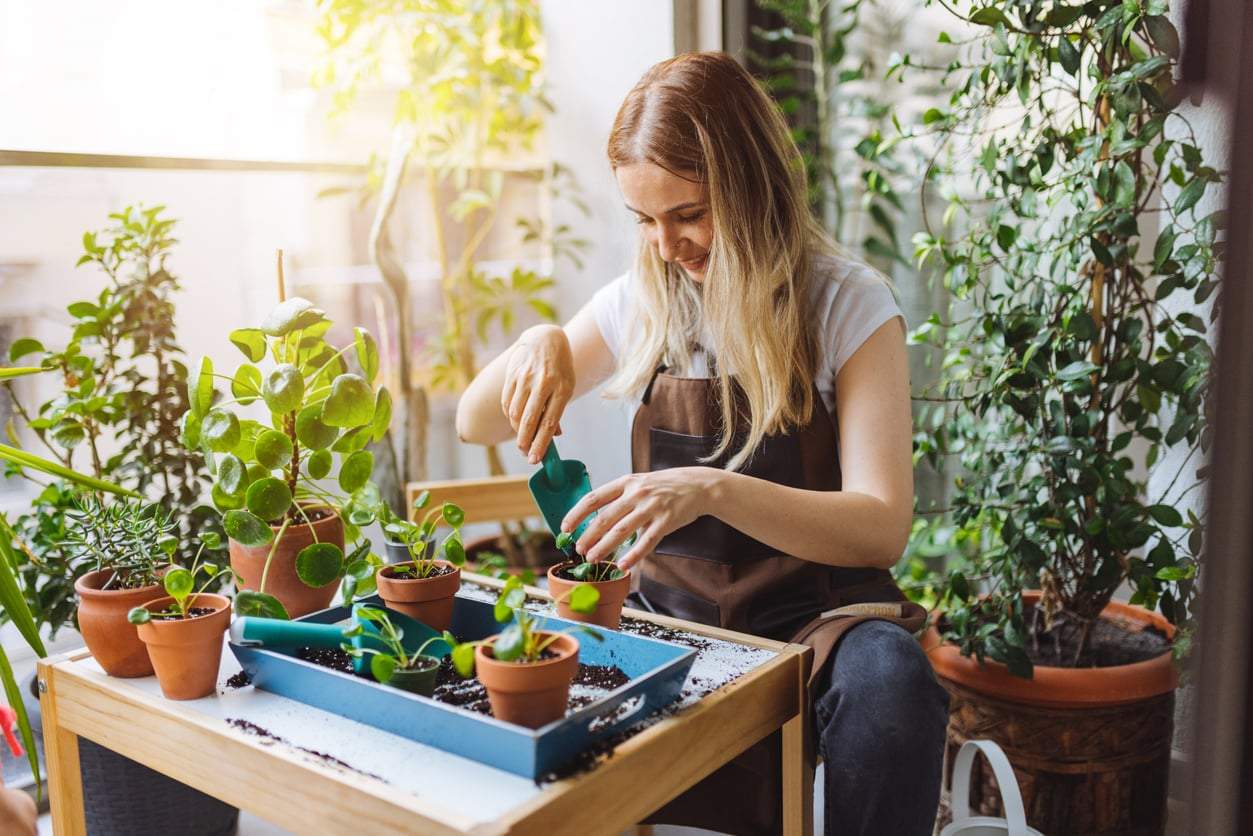
Too much watering can cause problems like root rot and disease. Pay attention: if the top layer of soil is still moist, your plants probably don’t need more water. Always check soil moisture before watering by using a small trowel to see if the soil is damp 5–10 cm (2–4 inches) below the surface.
Why Good Drainage Matters
Proper drainage is key to a healthy garden. Poor drainage can cause water to pool and lead to root rot. If parts of your garden stay soggy, consider improving the soil or installing drainage systems.
Gardening can be challenging, but mastering watering techniques makes it much easier. With care and consistency, your garden will reward you with abundant harvests and beautiful blooms. Remember, every garden is unique, so always tailor your approach to your plants’ special needs.