Spring is all about renewal—not just for plants, but for your gardening gear too.
While many gardeners love reusing seeds, soil, and tools, some items are worth refreshing every year to keep gardening fun and frustration-free. Southern Living recently highlighted several essentials you should replace annually before starting your spring gardening.
1. Seeds That Lose Viability Quickly
Not all seeds make it to the next season. Onions, lettuce, and many herbs like parsley tend to lose their germination power quickly.
If you’re unsure about your seeds’ viability, try this simple test: place ten seeds on a damp paper towel and see how many sprout within 5-10 days. If only a few do, it’s smart to get fresh seeds to save time and effort.
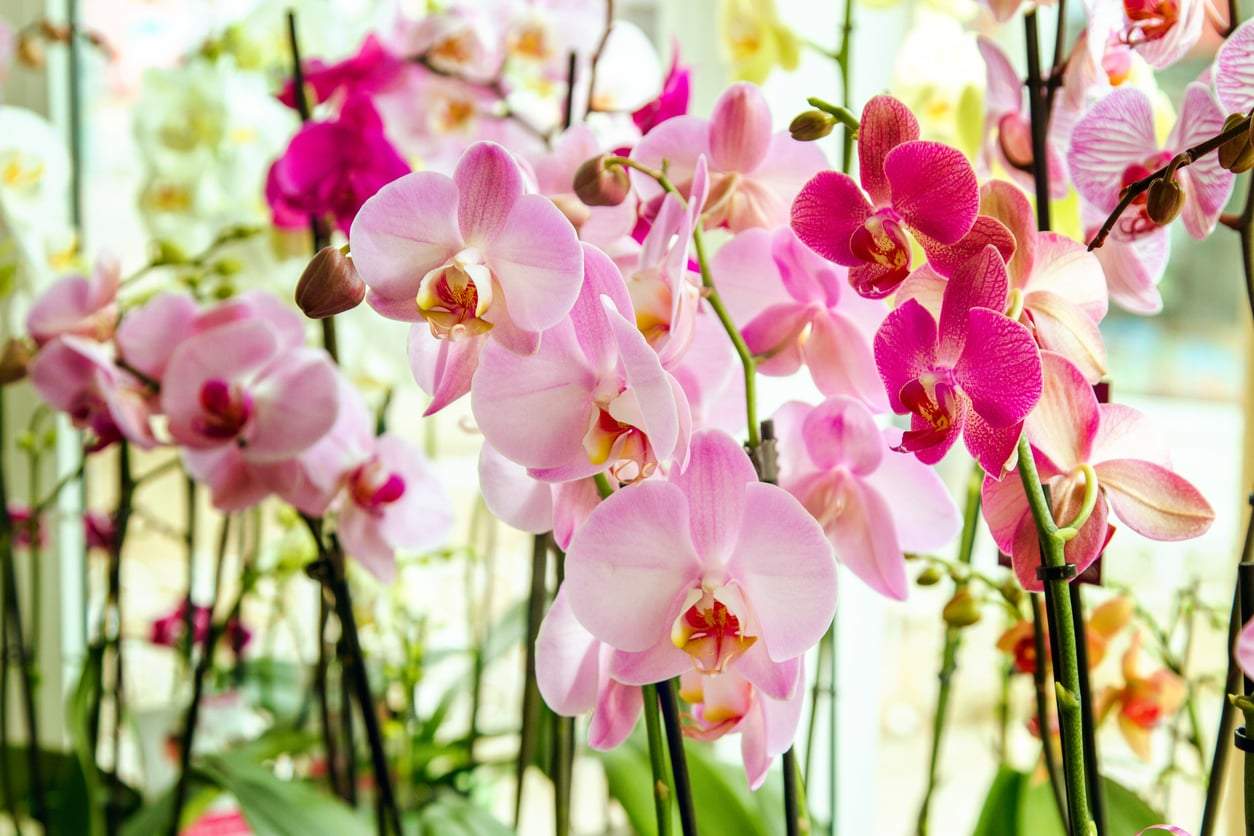
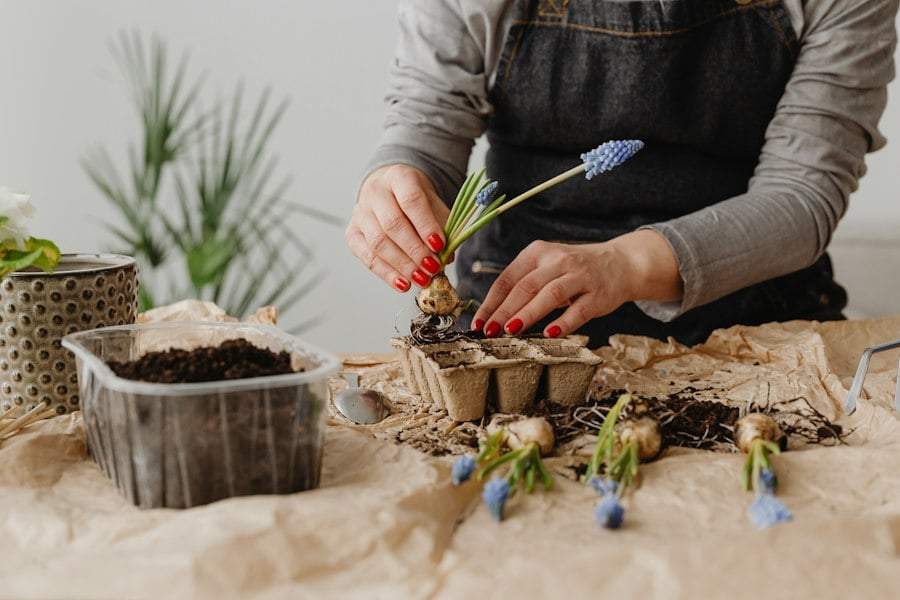
2. Bulbs
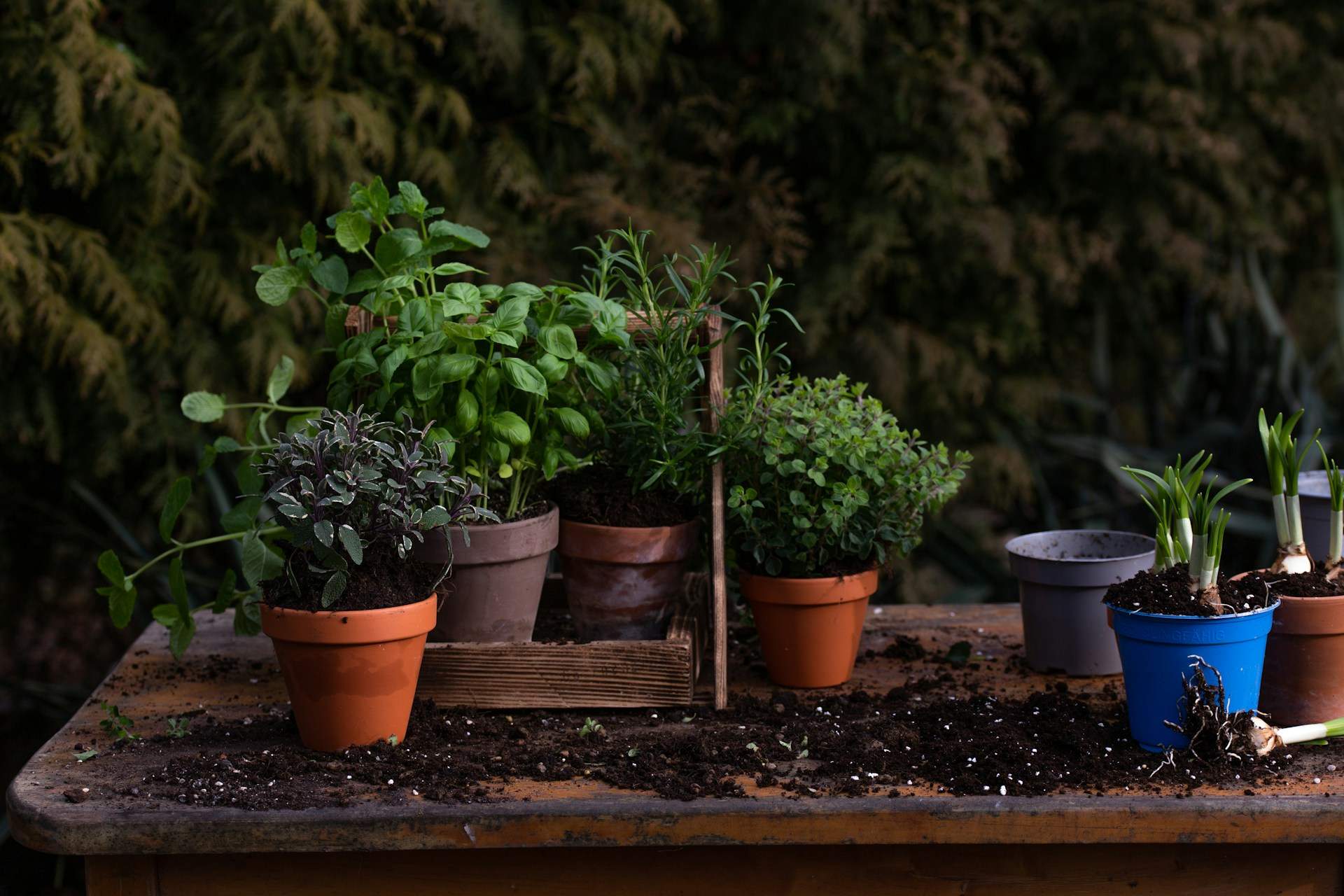
If you have leftover bulbs from last year that are still firm, plant them quickly. But if they’re soft or crumbly, their quality has declined. It’s best to buy new bulbs each season to enjoy vibrant, show-stopping blooms.
3. Mulch
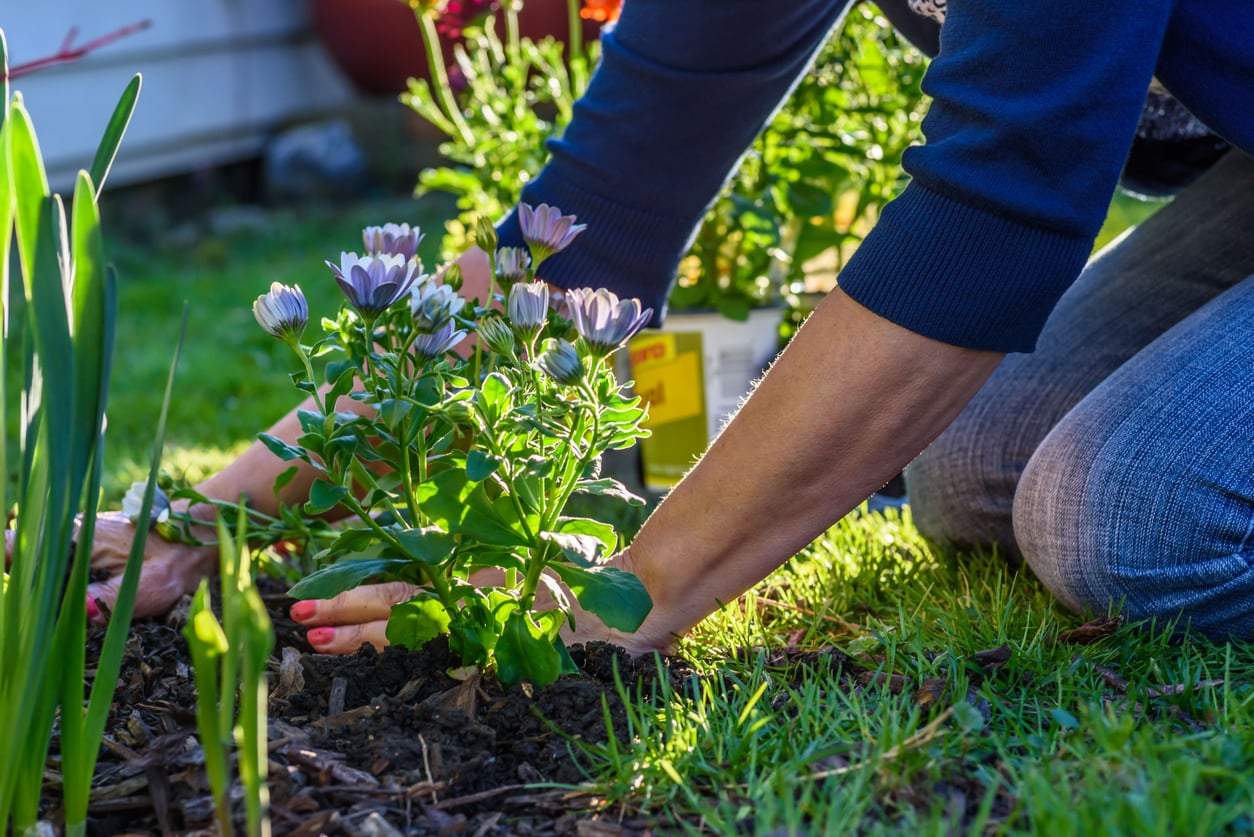
Organic mulch like pine bark or shredded wood usually breaks down within a year or two. If your mulch layer has thinned or worn down halfway to the soil, add a fresh layer—but not too thick!
Too much mulch can repel water, which isn’t great for roots. Aim for 5-10 cm (2-4 inches) thickness. If it’s too deep, rake it out before adding new mulch.
4. Gardening Gloves
Gardening gloves aren’t just comfy—they protect your hands. Replace them yearly to avoid pricks, cuts, and dirt under your nails.
Pro tip: Keep a lighter nitrile-coated pair for delicate tasks and a sturdier, long-cuffed leather pair for digging and pruning.
5. Compost
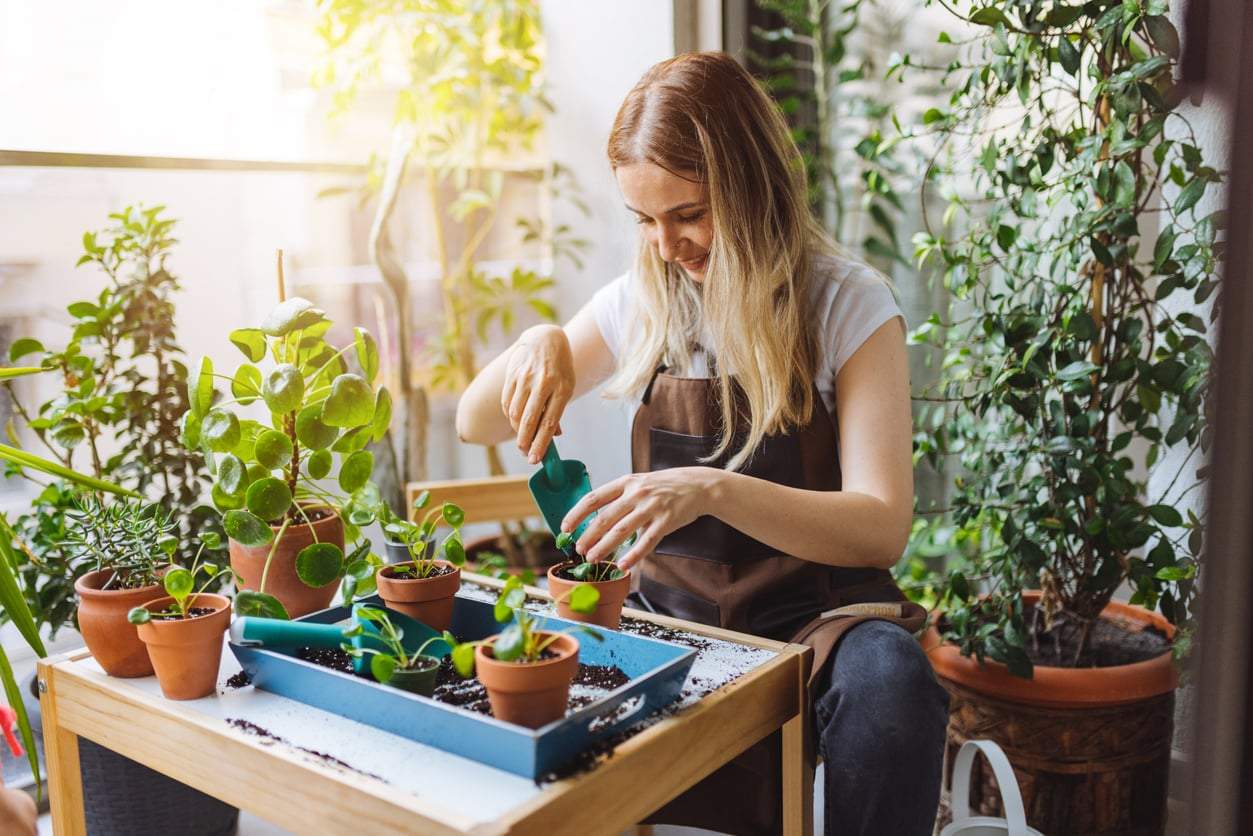
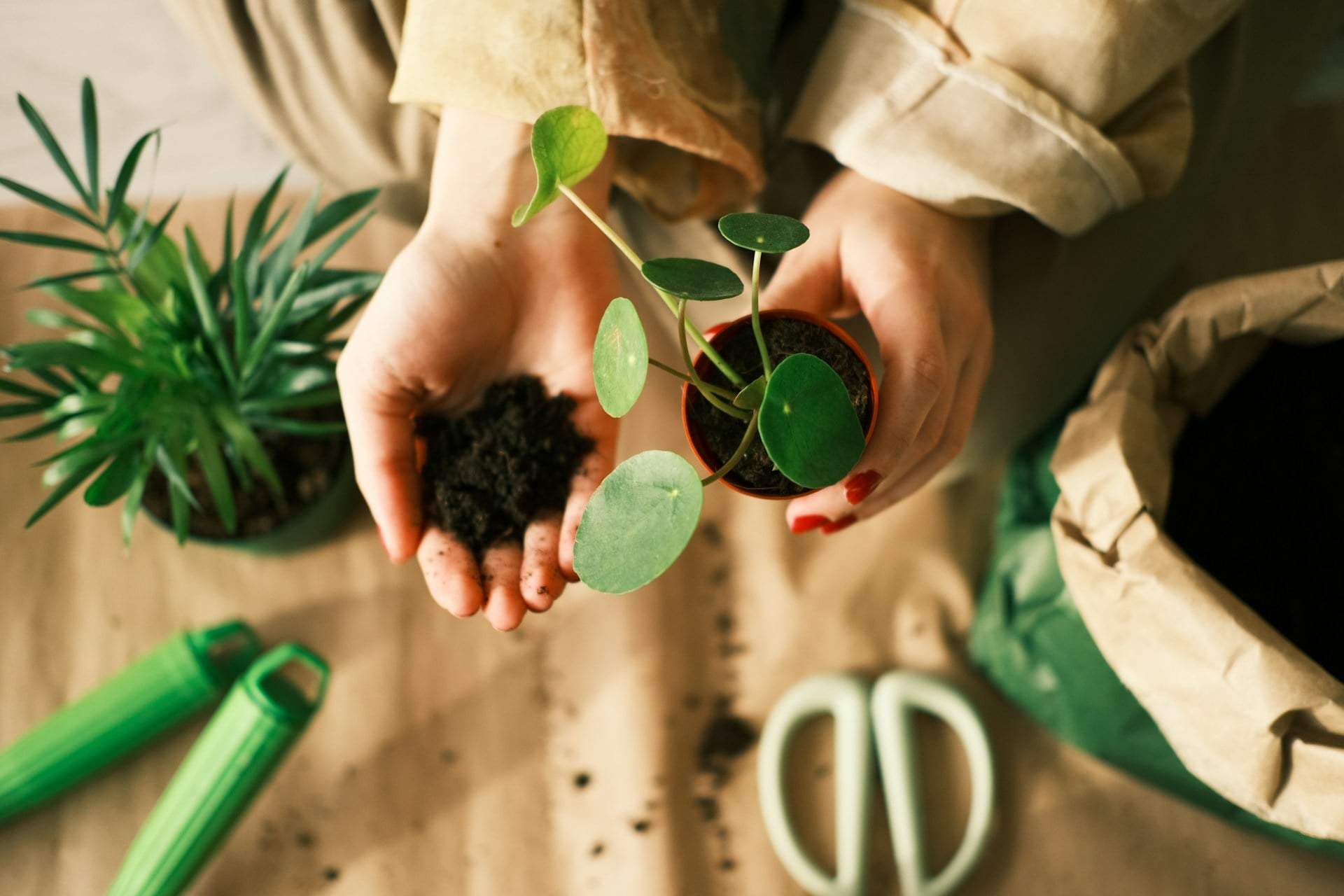
Soil in containers and raised beds compacts and loses nutrients over time. If the soil level drops, add 2-5 cm (about 1-2 inches) of fresh compost. Making your own compost is a win-win—you save money and nourish your garden.
6. Pruning Shears
Cheap pruning shears dull quickly. If your cuts are ragged or plants split, it’s time to replace them. Investing in a quality, sharpenable pair will serve you well for years.
7. Insect Repellents
No one enjoys bug bites or mosquitoes outdoors, especially considering risks like Lyme disease. Insect repellents lose effectiveness over time, with most manufacturers recommending a shelf life of 2-3 years. Replace your bottle every year or two.
8. Sunscreen
Protecting yourself from UV rays is always key, even in the garden. EU rules require sunscreens to have expiration dates, so always check before use.
Handy tip: Write the purchase and opening dates on the bottle to remind yourself when it’s time for a fresh one.
By following these simple precautions, your gardening will be safer, more enjoyable, and more rewarding. A little yearly refresh can truly enhance your spring garden moments.