Our green indoor friends often brighten our days and make our homes feel cozy. But sometimes, even with regular watering, something’s missing from their happiness.
1. Browning Leaves
Browning leaves are a common issue and usually signal improper watering or unsuitable light conditions. If the leaf edges turn brown, you might have overwatered your plant, or on the flip side, its soil could be too dry. Try adjusting your watering routine and make sure your plant is placed in the right spot.
2. Wilting Plants
Wilting often points to either underwatering or overwatering. If the soil feels dry, increase watering; if it’s constantly soggy, give more time between watering sessions. Roots need air too, so well-draining soil is key.
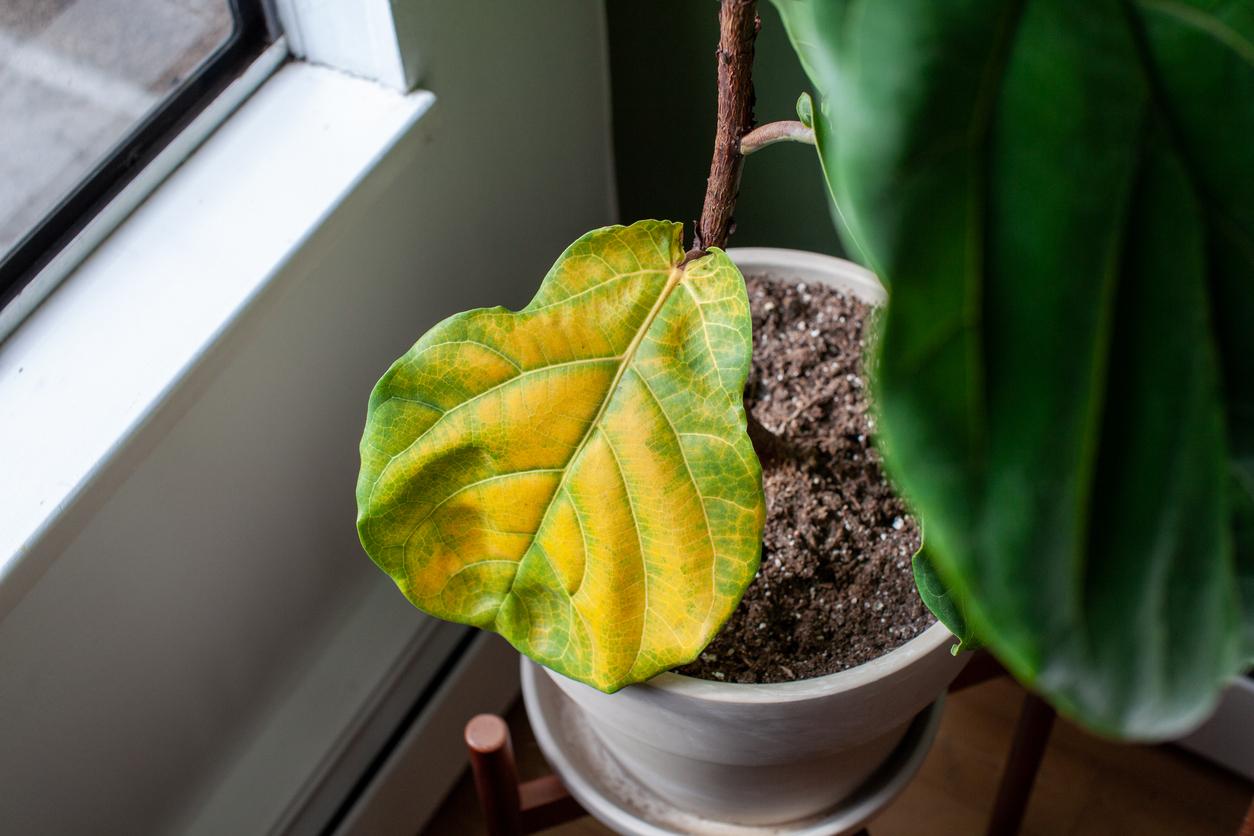
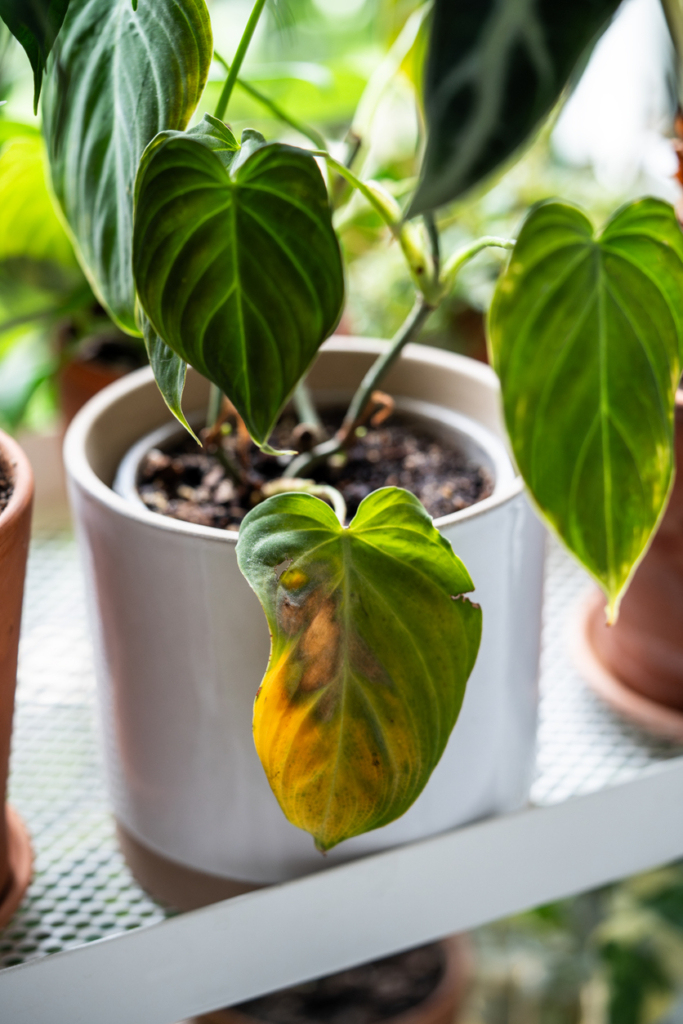
3. Yellowing Leaves
Yellow leaves usually mean lack of light or nutrients. Try moving your plant to a brighter spot or use a plant fertilizer. Too much direct sun can also cause yellowing, so finding the perfect balance is important.
4. Drooping Stems
Sometimes stems droop, which is usually due to low light. The cells in the stems can’t function well without enough sunlight. Try placing your plant somewhere brighter with indirect light.
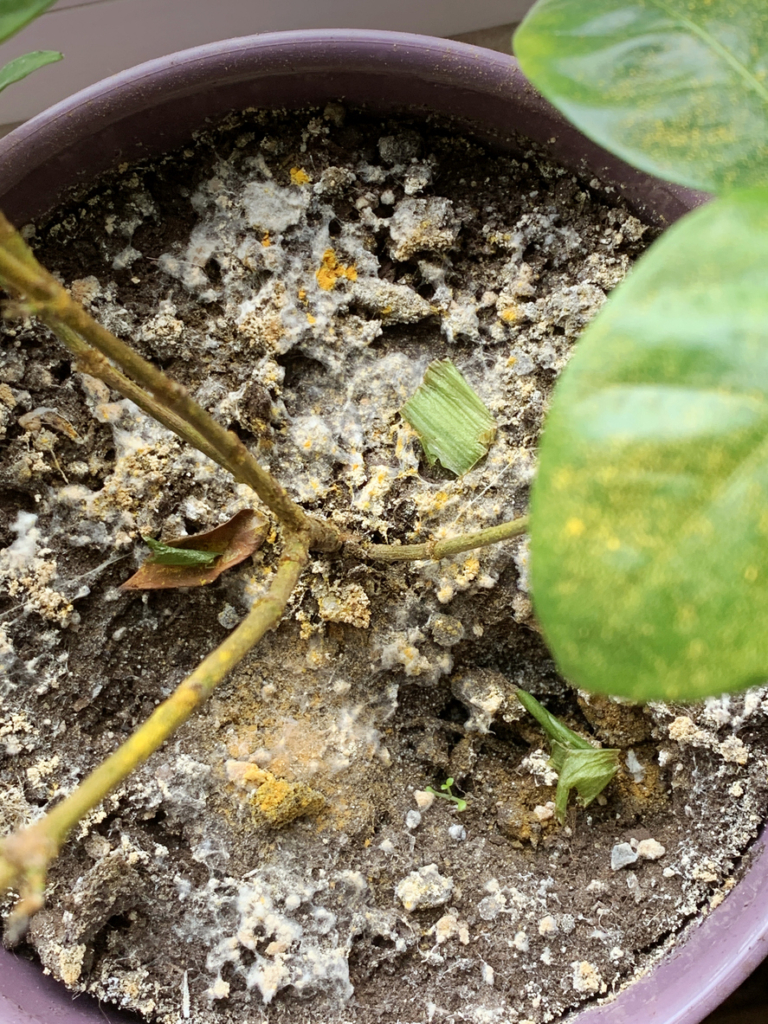
5. Moldy Soil
Moldy, fungus-covered soil is often a sign of overwatering and needs immediate attention. Clean the soil surface and let it dry before watering again. If needed, repot your plant in a container with good drainage.
6. Spider-like Webs
If you spot webs on your plants, pests like spider mites might have moved in. These tiny invaders can chew small holes in leaves and harm your plant. Act quickly and use natural insecticides to protect your green friends.
7. Slow Growth
If your plants stop growing or don’t produce new shoots, it’s likely their basic needs aren’t met. Check their sunlight, water, and nutrient levels. Sometimes, a little extra fertilizer can make all the difference.
Knowing and watching for these signs is essential to keep your plants healthy and enjoy their daily role in making your space feel warm and inviting.