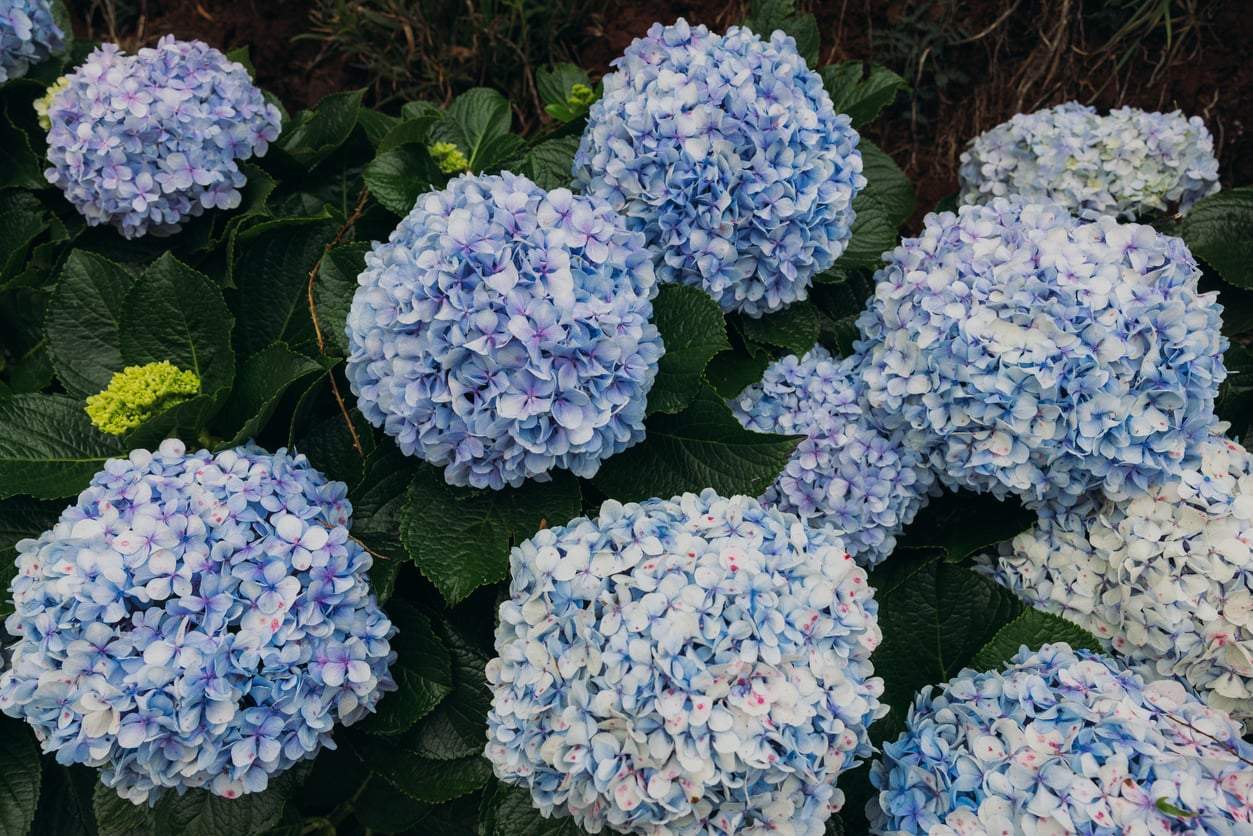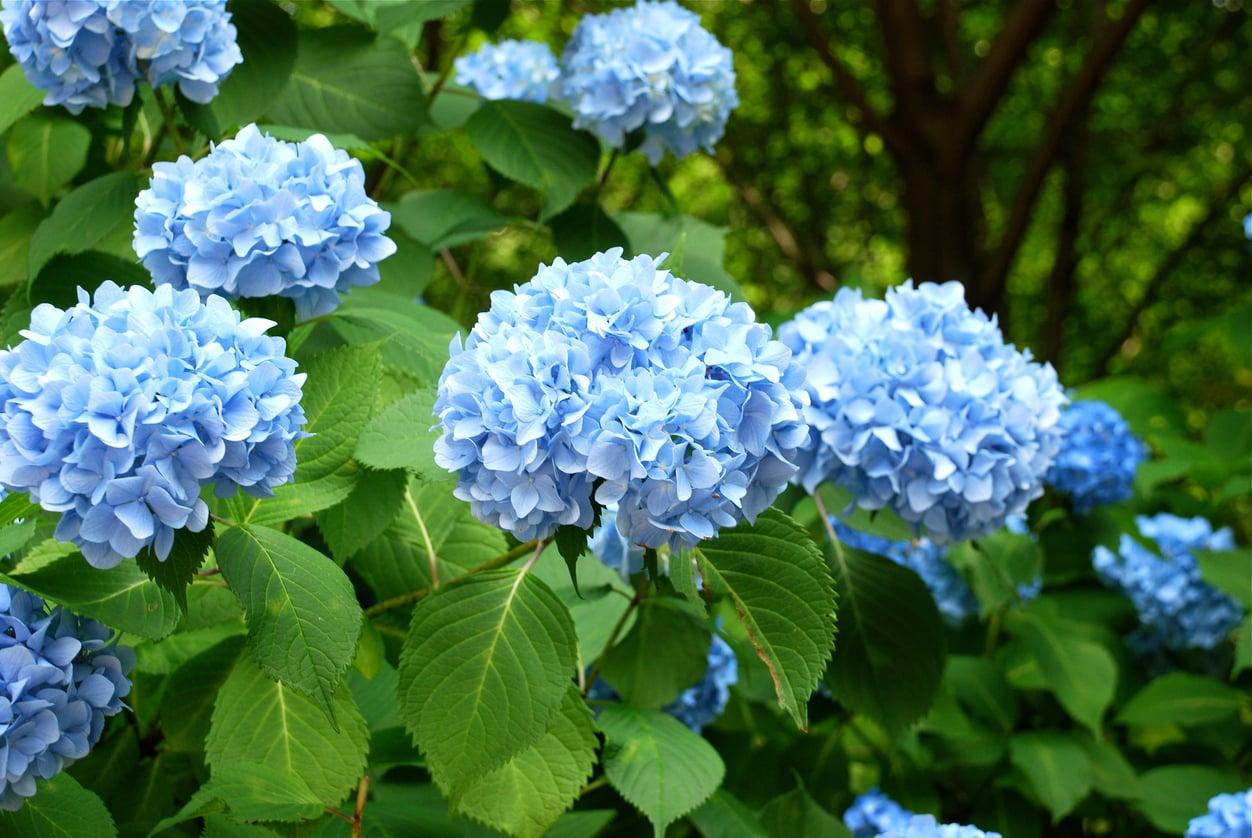
If you've ever looked at a neighbor's stunning blue hydrangeas and wondered why yours are stubbornly pink, you're not alone — and the answer might surprise you. The color of your hydrangea blooms isn't just a matter of variety. It's something you can actually control, right from your own garden.
Why hydrangeas change color
The secret lies beneath the surface — literally. Hydrangea flower color is primarily determined by the pH level of the soil. Acidic soil produces blue blooms, while alkaline soil shifts the flowers toward pink and red tones.
Acidic soil leads to blue flowers. Alkaline soil gives you pink or red. The same plant, completely different results — just depending on what's in the ground beneath it.
There's another key player in this color story: aluminum ions. In acidic conditions, hydrangeas absorb aluminum more easily from the soil, and it's this uptake that triggers the blue pigmentation. Without it, the flowers stay pink.
How to shift your soil and change the color
The good news? You don't need to be a professional gardener to make this work. Here are two reliable methods to turn pink hydrangeas blue:
- Acidify the soil: Products like sulfur powder or ammonium sulfate can lower your soil's pH over time. Before you start, it's worth doing a simple soil test — available at most garden centers — so you know exactly where your pH currently stands and how much adjustment is needed.
- Add aluminum sulfate: This is the most popular method for achieving blue blooms. Dissolve 1 to 2 tablespoons of aluminum sulfate in about 1 gallon (3.8 liters) of water and apply it when watering your plant. Repeat once a week throughout the active growing season for best results.
Keep in mind that results won't be instant — soil chemistry changes gradually, and you may need to be patient through one full growing season before you see a dramatic shift.
General hydrangea care tips you shouldn't skip
Chasing the perfect bloom color is fun, but it only pays off if your plant is healthy to begin with. Here's what to keep in mind for overall hydrangea care:
- Watering: Hydrangeas love moisture, but their roots are prone to rot if they sit in waterlogged soil. Make sure the soil drains well, and water deeply but not too frequently.
- Light conditions: These plants thrive in partial shade. Too much direct sun can scorch the leaves, while too little light will reduce flowering. A spot with morning sun and afternoon shade is ideal.
- Pruning: Trim your hydrangea in early spring or autumn to encourage vigorous new growth and better blooms in the following season. Avoid heavy pruning in summer when buds are already forming.
Don't forget to feed your plant
Healthy blooms — in whatever color you choose — start with nutrient-rich soil. In early spring, apply a balanced fertilizer with higher phosphorus and lower nitrogen content. This supports strong root development and abundant flowering without pushing excessive leafy growth at the expense of the blooms.
The full picture is simple: pay attention to soil pH, water consistently, feed your plant well, and choose the right spot. Do all of that, and your hydrangeas will reward you with exactly the color you've been dreaming of.