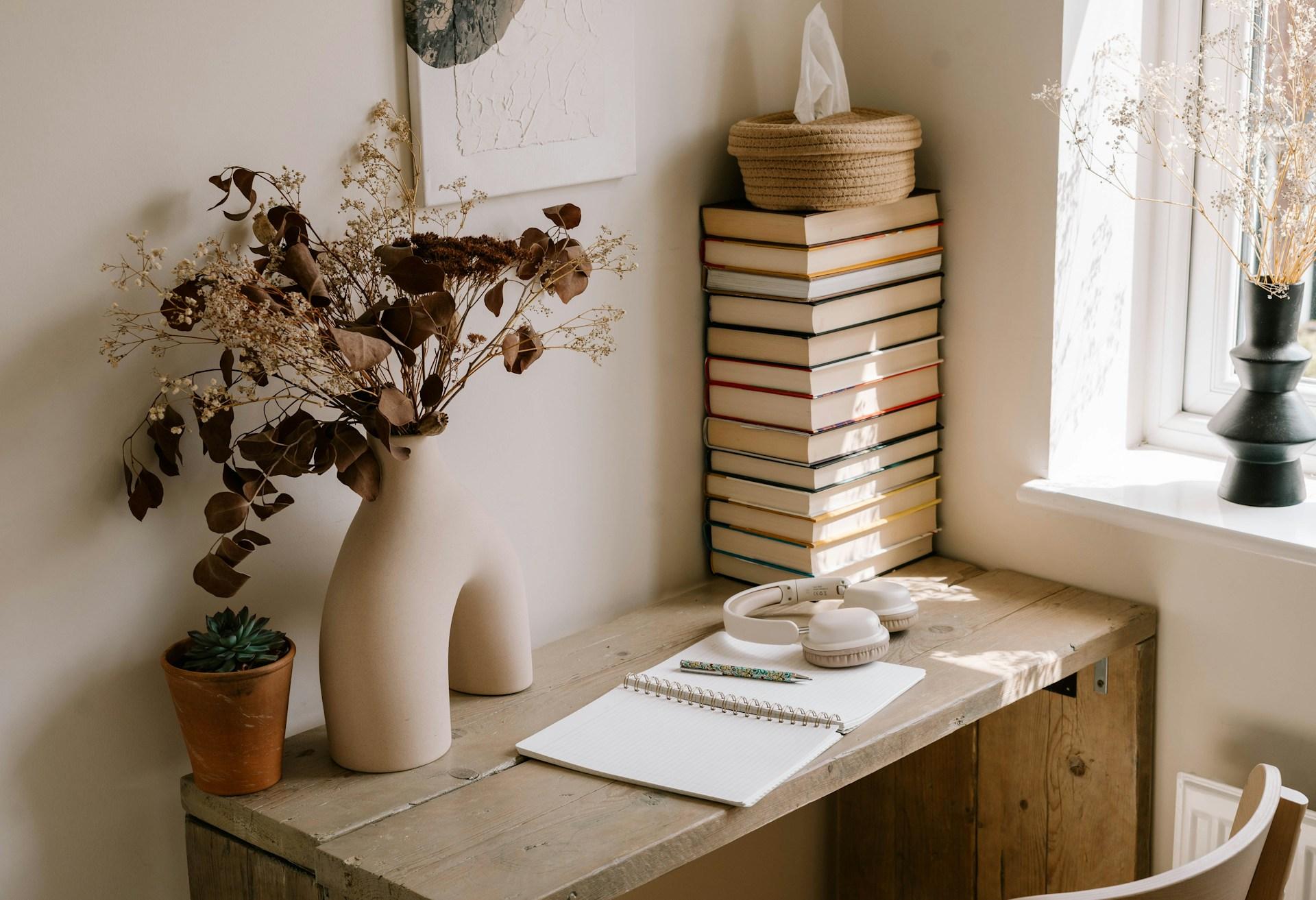
Interior design is always changing, but today more than ever, we want our homes to support and soothe our body, mind, and spirit. Maybe we’re seeking refuge from city noise or simply craving calm after hectic days and late nights.
Five architects shared with Living etc. how to create a home that truly helps you unwind. These seven ideas will make your space feel more relaxed and welcoming—from digital detox zones to bringing natural elements indoors. Let’s explore slow living-inspired ideas!
1. Focus on Layout and Harmony
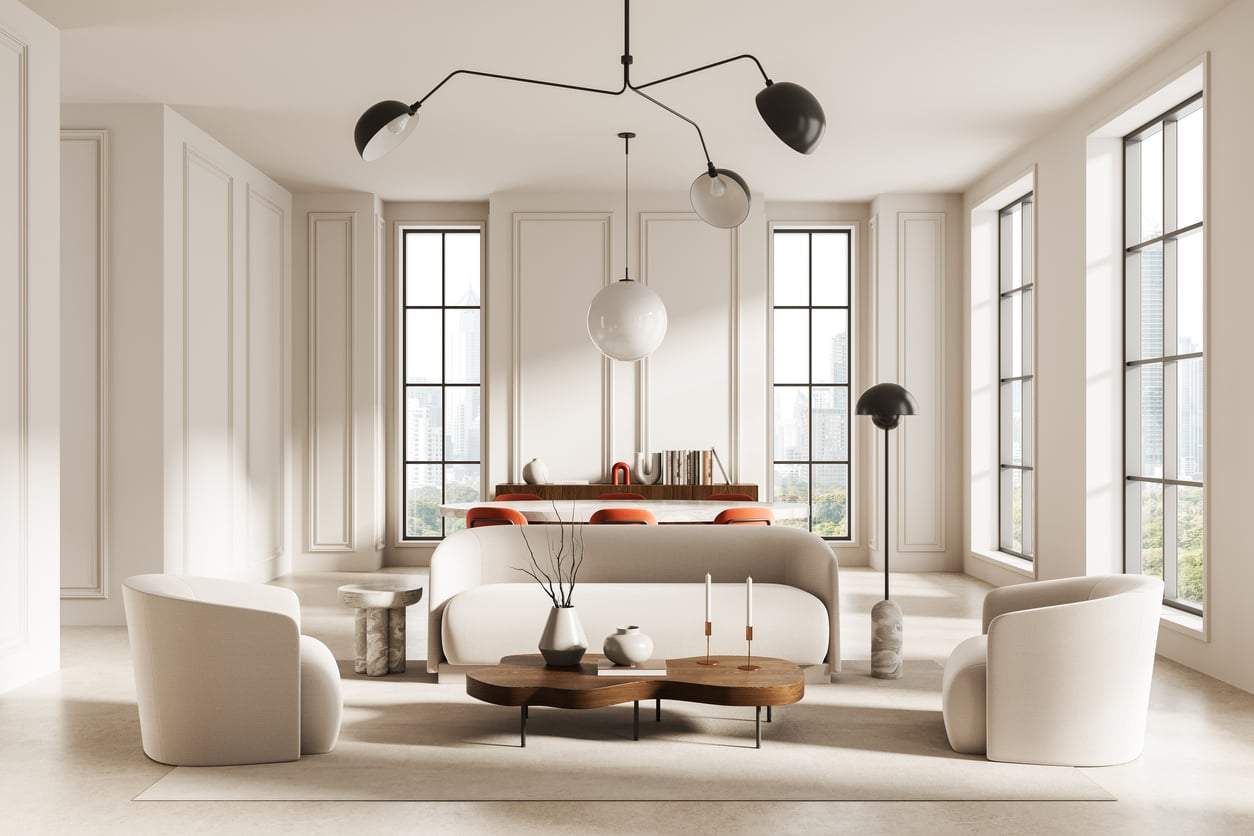
“A calm home starts with a layout that’s easy to move through,” says George Bradley, director of B-VDS.
When spaces naturally connect through sight, light, and function, the whole home feels balanced and intuitive.
An airy home needs an open yet friendly floor plan. Beyond layout, harmonious design is key: “Many design for the widest audience, but if you try to please everyone, you end up pleasing no one. Don’t be afraid to add personality and details,” advises Peter Miles, lead architect at The Drawing Board, Inc.
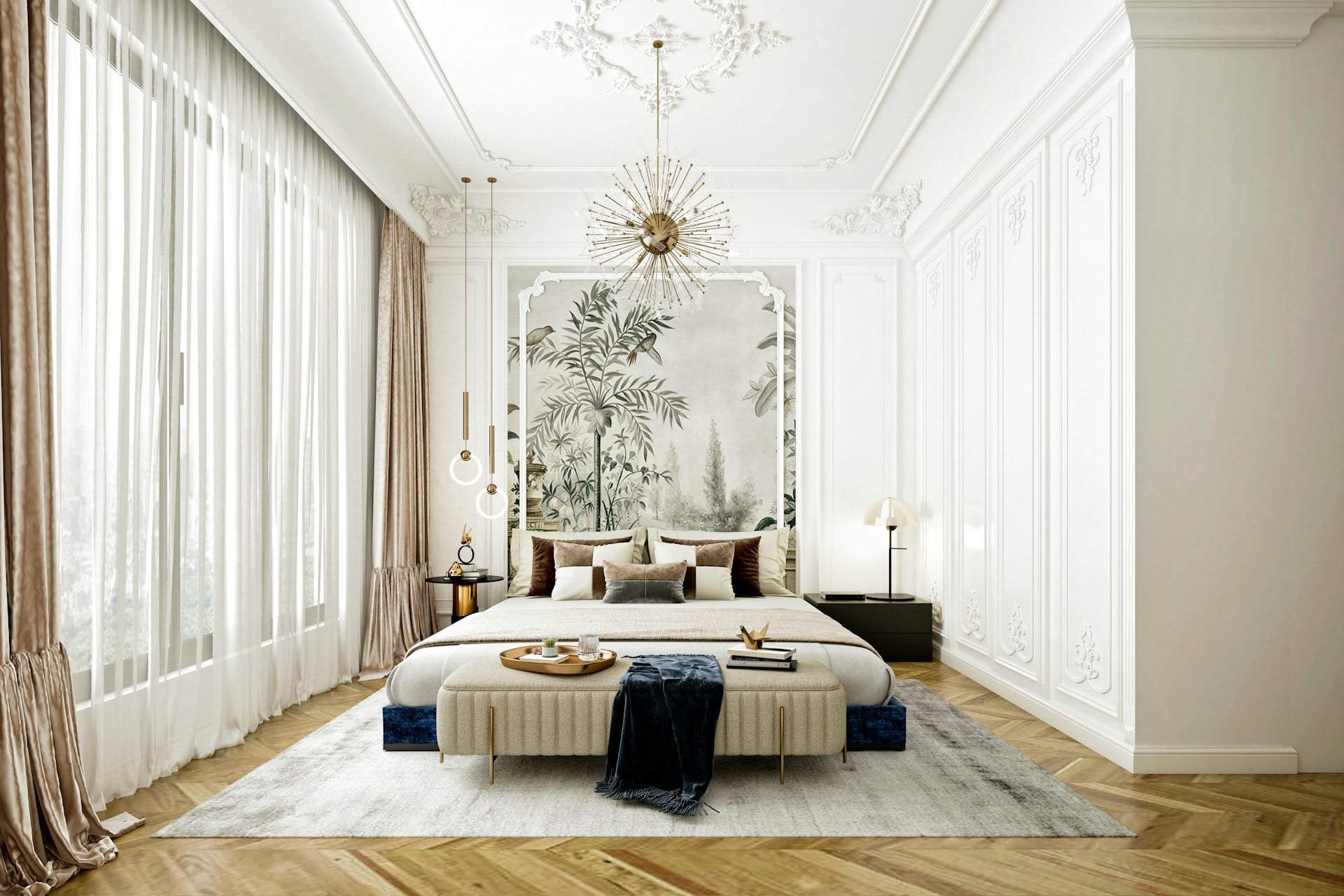
Start by choosing your preferred interior design style, then stick to its core while adding personal touches in each room. Coordinating colors and using symmetry help create a harmonious vibe.
2. Let Light Lead the Way
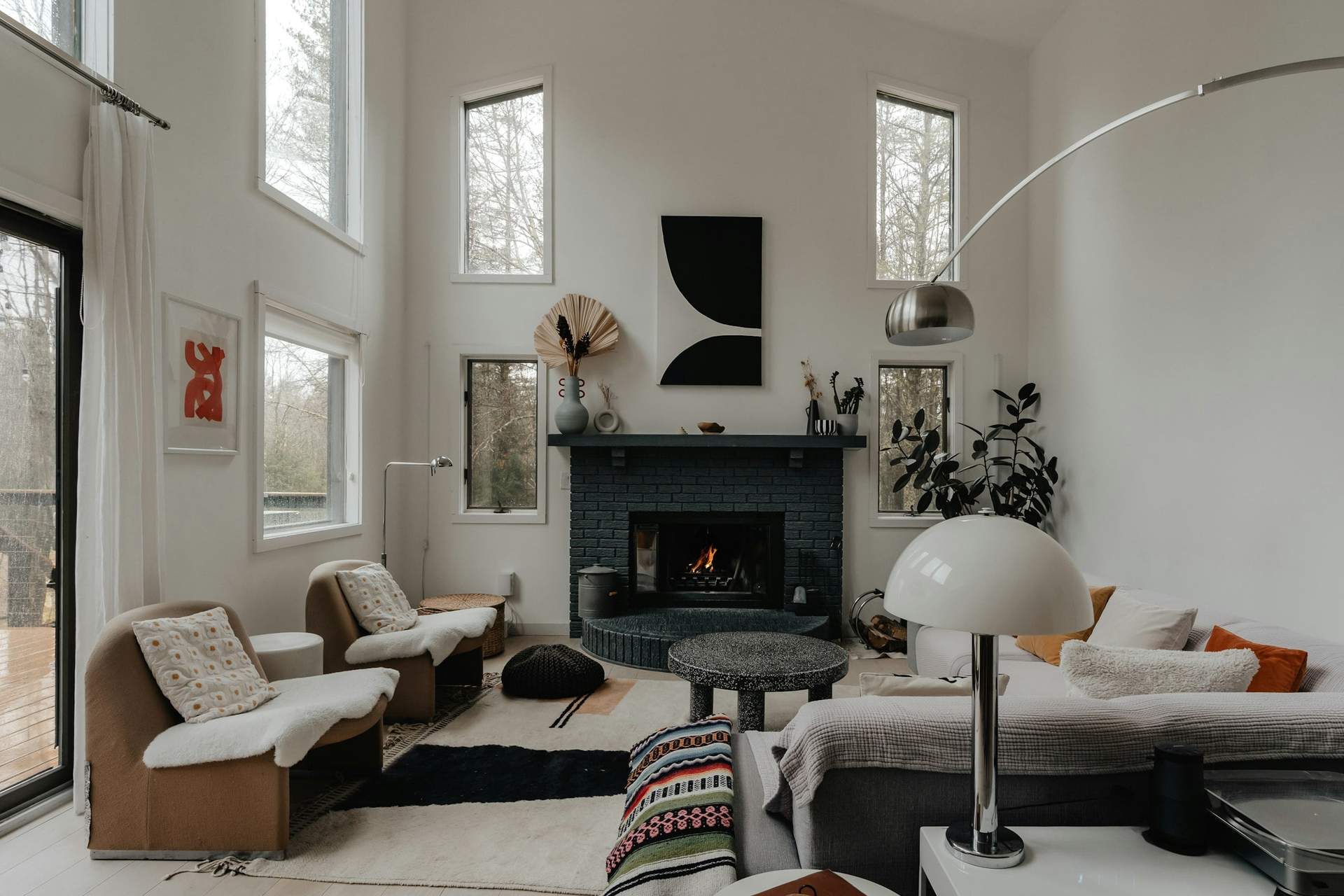
Natural light is the ultimate catalyst for a peaceful home. “It shapes mood, marks the time of day, and keeps you connected to the outside world,” explains George.
Layered lighting with skylights, interior windows, or borrowed light between rooms keeps spaces feeling alive all day.
Peter suggests arranging rooms based on incoming natural light, then adding artificial lighting where needed. For example, a reading nook benefits from layered lighting: ambient light plus focused reading lamps. If your home lacks sunny spots, smart artificial lighting can maximize brightness.
3. Bring Nature Indoors
“Nature is therapy,” says Andrew Franz, founder of Andrew Franz Architecture.
Even a single framed view—a tree, a rooftop, or the sky—can be more powerful than a panorama. Treat your view like art and frame it carefully.
Joshua Zinder, founder of JZA+D, also highlights nature’s role: “Natural light and green views help mentally distance you from daily rush.” If your view isn’t great, indoor plants and zen gardens can bring nature’s calm closer.
4. Choose “Breathable” Materials
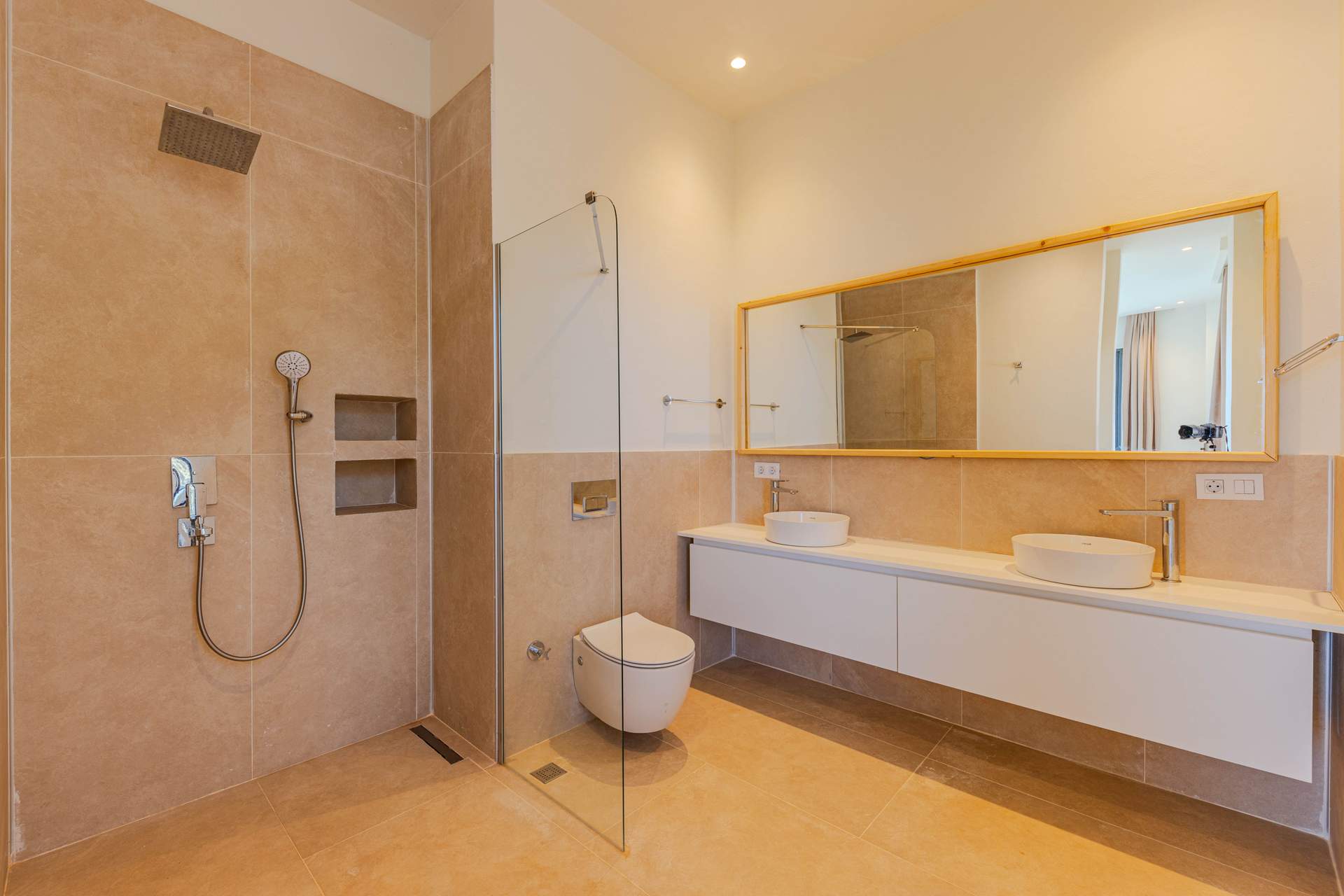
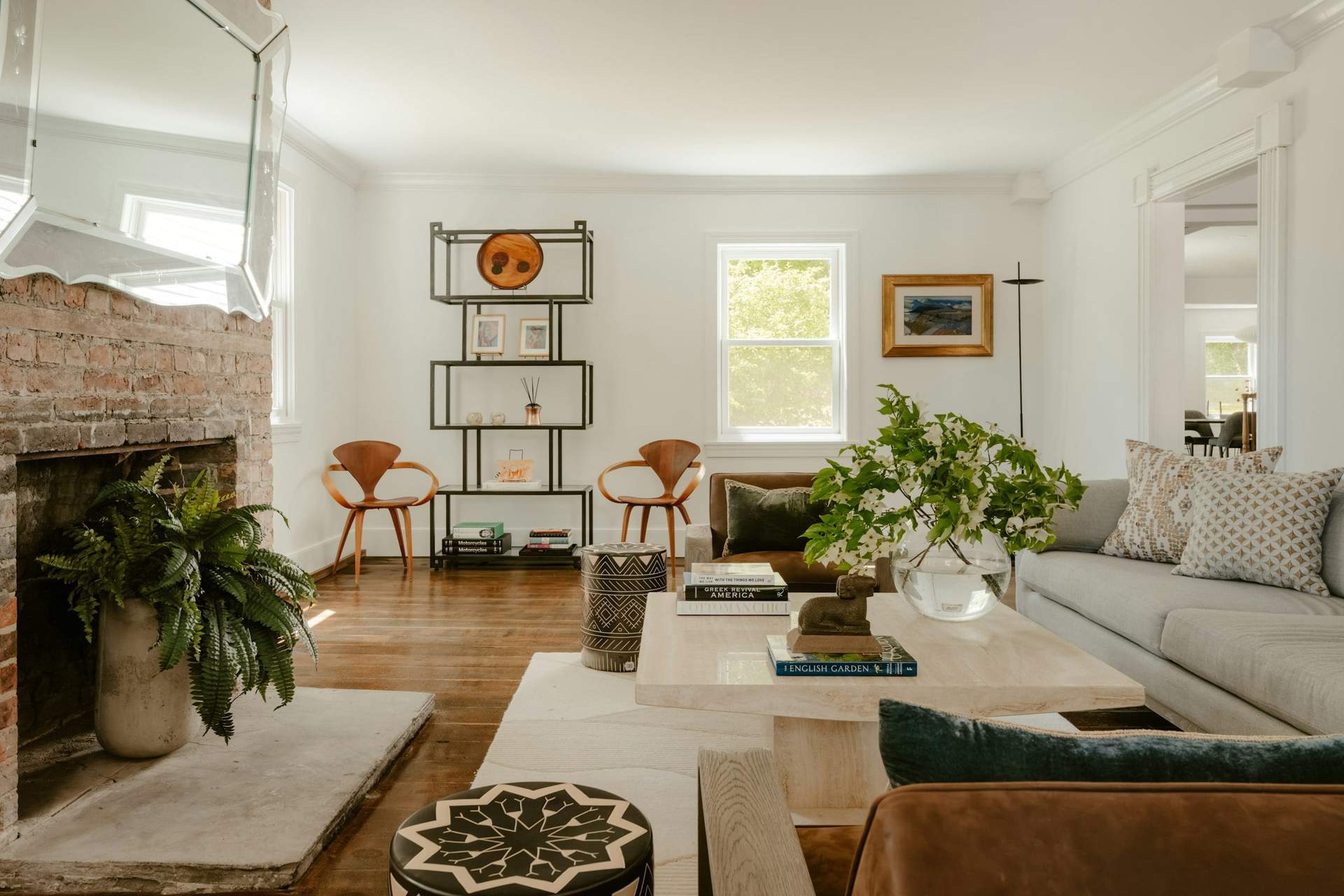
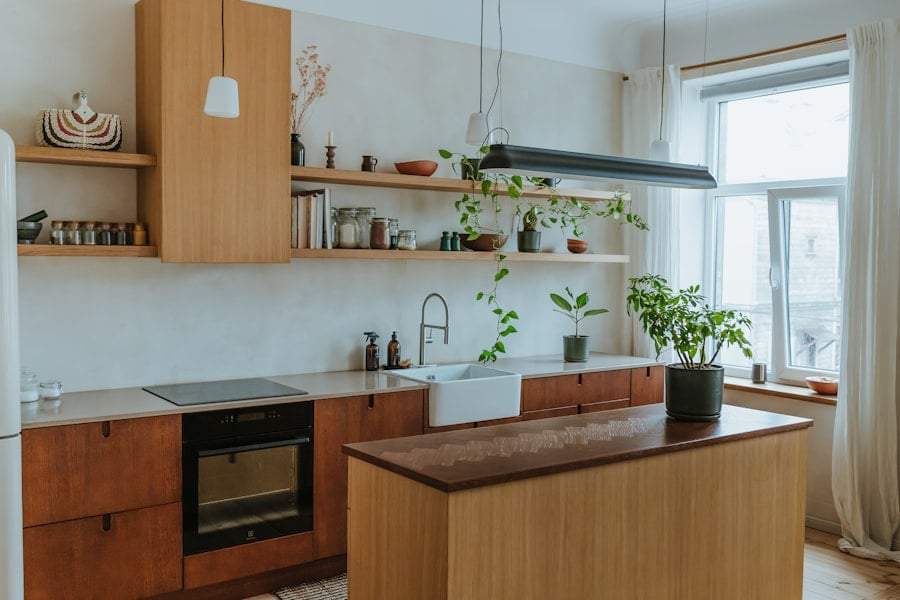
“One of the best ways to create a calm environment is by bringing natural elements into your materials,” says Philip J. Consalvo, founder of PJCArchitecture. Wood floors, veneered surfaces, and soft textures add warmth and peace.
“Natural materials like the trendy limewashed walls aren’t just beautiful—they help regulate air and humidity,” he adds. A “breathable” home feels softer, quieter, and more comfortable, gently supporting well-being.
5. Think About Acoustics
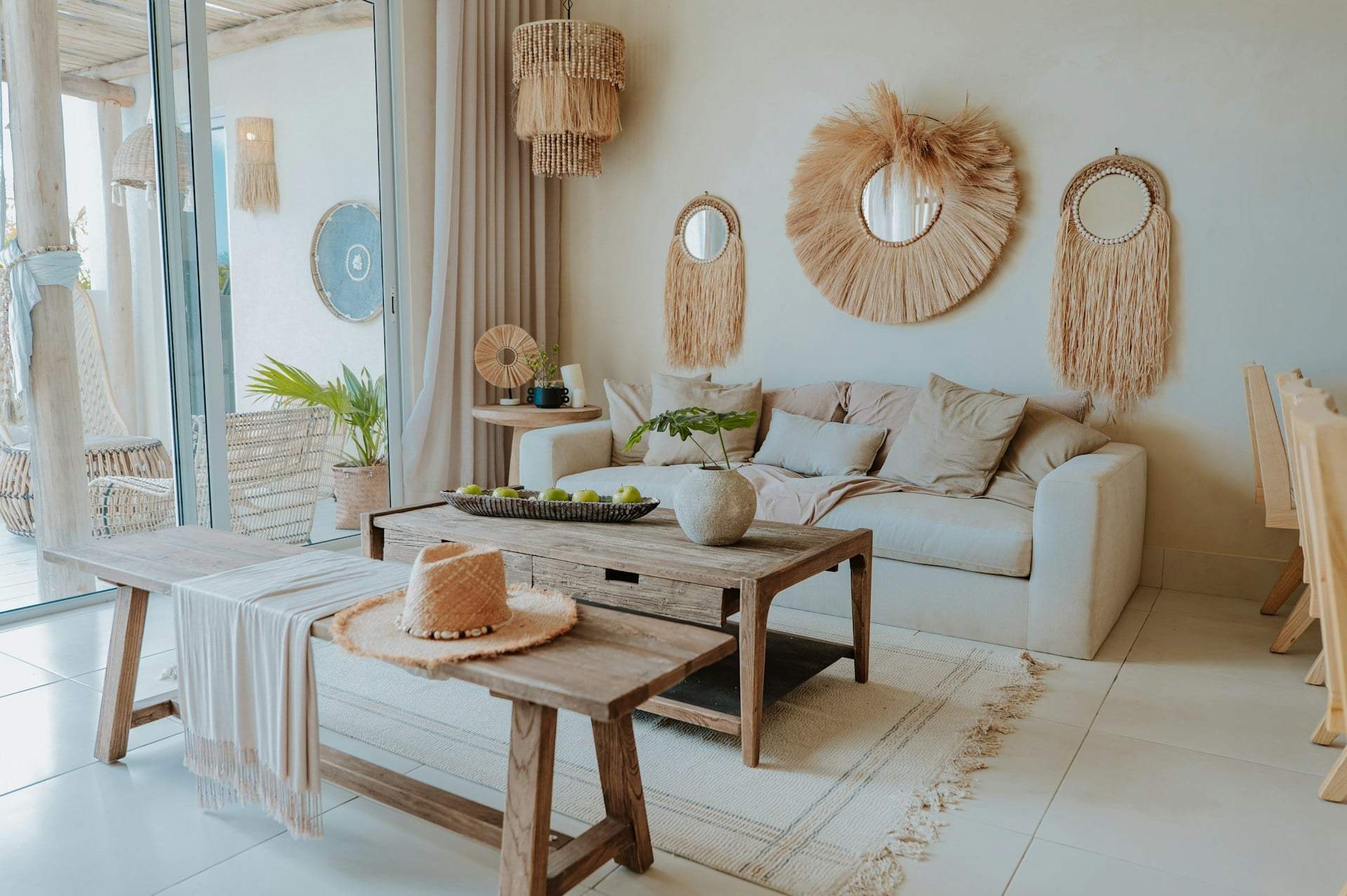
Modern architecture can be noisy: large windows, glass surfaces, and drywall reflect sound. Balance this with solid wood, textured materials, and large rugs to absorb noise. Cushions, soft upholstery, and even upholstered cabinets help create a calm, quiet space.
6. Create Tech-Free Zones
Digital detox zones help you disconnect from devices and focus on yourself. This could be a reading room, play area, or a tech-free bedroom that improves sleep quality and invites relaxation.
7. Make Space to Slow Down
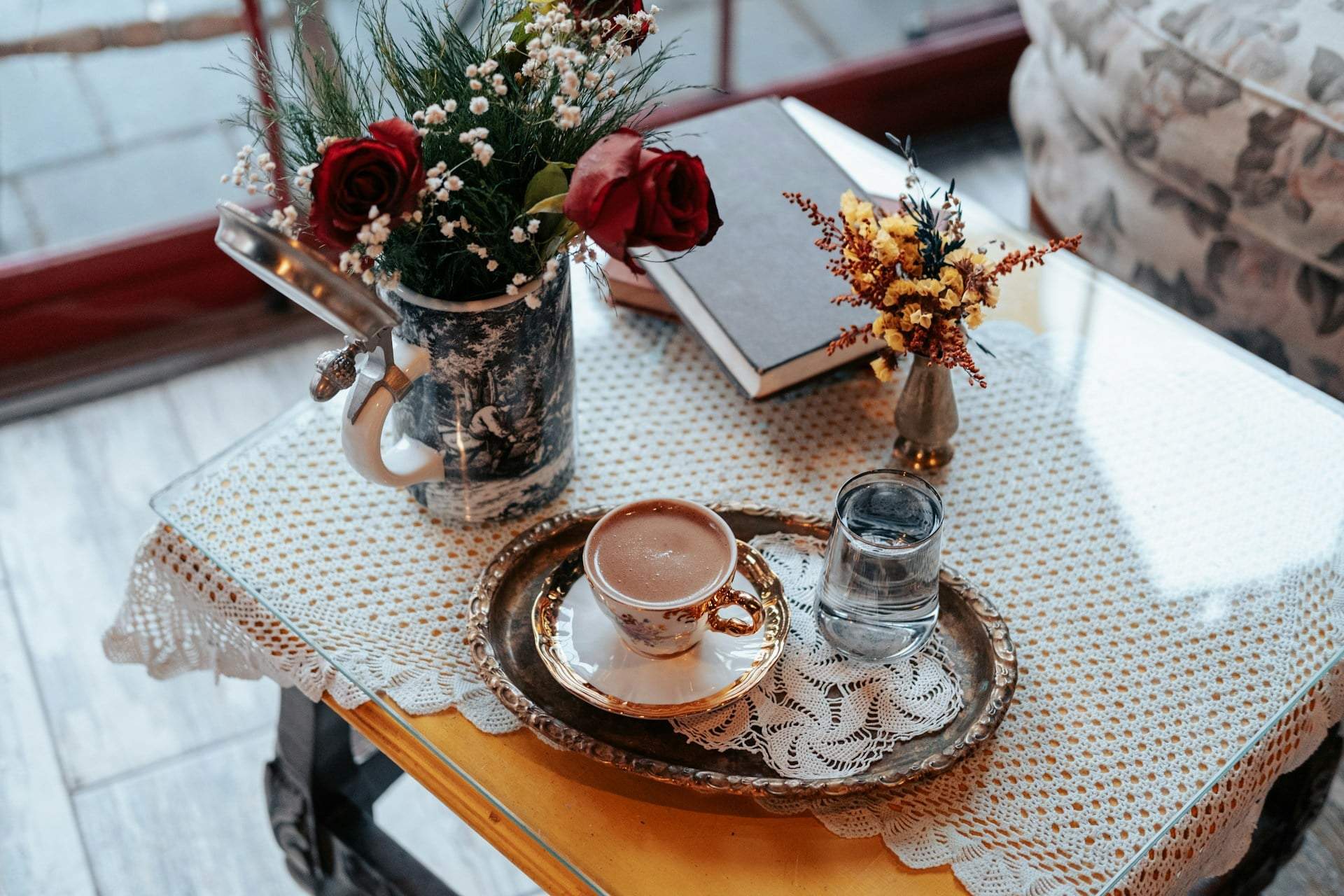
Relaxation doesn’t happen instantly. Small, simple rituals—a sunny reading corner, a green view from the kitchen, or a dining space that brings people together—matter more than big gestures.
Designing a minimalist meditation room with soft lighting and comfy seating can effectively ease daily stress and create calm. If space is tight, a cozy pouf or reading nook works just as well for slow moments.
Why Design That Supports Well-Being Matters
“When designing a home, we consider not just mood but everyday life. Small habits and rituals—a chair by a window with morning light or a kitchen that’s a joy to be in—make a space personal,” says George Bradley.
A well-designed space isn’t just comfortable; it supports rest, nurtures relationships, and recharges you—making your home truly welcoming and livable.