If you’re in your thirties, living a long life probably isn’t your daily focus. Your mind is likely on building your career, starting a family—or both—and you’re still young enough not to seriously think about your own mortality.
“You still have plenty of natural resilience,” says Eve Henry, internist and medical director at the Hundred Health integrated health platform.
Still, even if you don’t feel the impact of your daily habits now, they seriously shape how you’ll age—either for better or worse.
Aging is a gradual process, just like the development of chronic diseases. Think about plaque slowly building up in your arteries over decades, which later shows up as heart disease or stroke. Alzheimer’s also unfolds slowly. That’s why doctors have long emphasized early health maintenance, well before “longevity” became a buzzword.

Your thirties are a crucial time to build healthy habits.
After 30, we lose about 3–5% of muscle mass every decade.
Nutrition and movement researcher Rachele Pojednic points out this is especially risky for women: weaker muscles mean less support for bones, leading to lower bone density. This speeds up osteoporosis risk—especially since women start with less bone mass and estrogen drops during menopause, increasing vulnerability.
“It’s much better to build a solid biological reserve now, when your bone density and hormones are still strong, than to scramble later trying to catch up,” says orthopedic surgeon and longevity researcher Vonda Wright.
Invest in these habits during your thirties to keep your body and mind thriving for the long haul.
1. Find a Strength Workout You Actually Enjoy
Regular muscle strengthening is key for women to avoid age-related muscle loss, osteoporosis, and related injuries. About 70% of hip fractures (like femoral neck breaks) happen to women, and half of those who break a hip never return home; many pass away within a year due to complications.
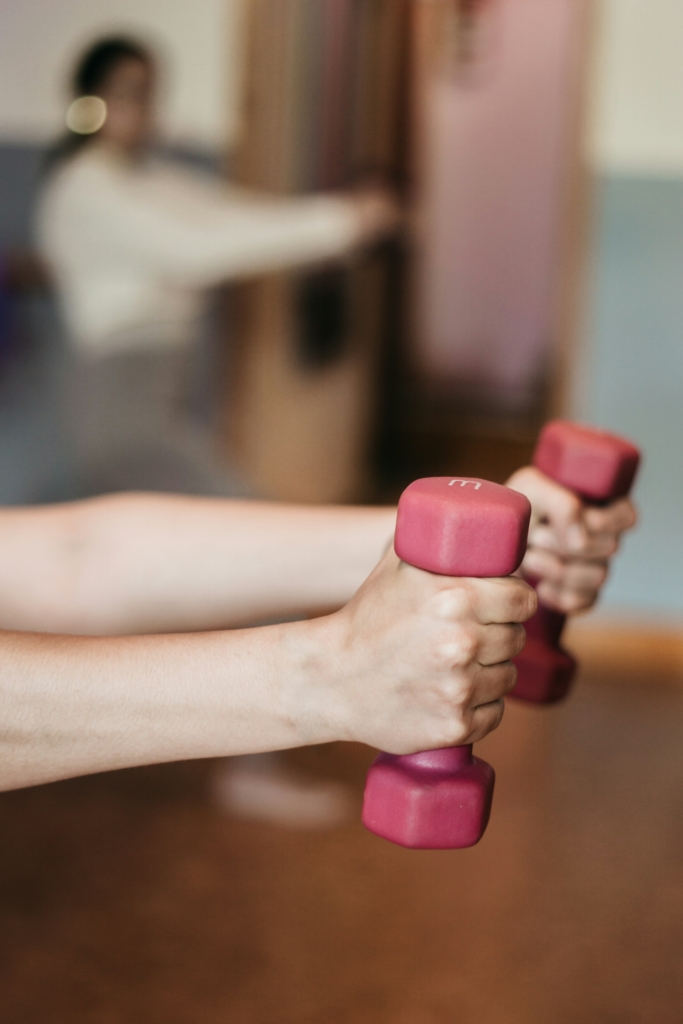
Weight training is a great choice, but any exercise that genuinely challenges your muscles works. Pilates, barre, or bodyweight workouts are all good options—the goal is to work muscles to near fatigue. If you don’t hate it, you’re more likely to stick with it.
2. Walk Outdoors Almost Every Day
Regular, short walks are one of the simplest, most researched ways to reduce stress. Your thirties often come with unavoidable stressors, and chronic stress speeds up cellular aging.
Elissa Epel, a researcher at the University of California, explains that chronic stress can shorten telomeres—the protective caps on DNA—accelerating aging and raising risks for heart disease and dementia.
Stress raises blood pressure, disrupts digestion, harms sleep, and weakens immunity. Even glancing at trees, the evening sky, or birds on a city street can ease tension and shift your perspective.

3. Choose Whole Foods More Often
Processed foods often pack extra sugar, salt, and saturated fat, while lacking fiber and vitamins. This combo is proven to raise the risk of chronic diseases.
Research shows plant-based diets like the Mediterranean diet are especially heart- and brain-friendly. Cardiologist Danielle Belardo advises patients to focus on increasing fruits, veggies, legumes, and whole grains.

4. Boost Your Protein Intake
The hype around protein might be a bit much, but for women in their thirties and beyond, it’s truly important. You generally need more protein than the standard recommendation to counter muscle loss.
Lean animal proteins like poultry, fish, eggs, and dairy are complete, containing all nine essential amino acids. But plant sources (beans, lentils, oats) can also provide enough if you eat a varied, mindful diet.
If your schedule is tight, a protein shake or bar can help, but whole foods should still be your foundation.

5. Jump a Little Every Day
Small jumps not only boost energy but also maintain fast-twitch muscle fibers—the first to decline with age. These fibers help you react quickly to prevent falls.
Repeated impact can also support bone density, especially in the hips. Just 20 jumps a day count: hop over obstacles, play jump rope with your kids, or do side-to-side “skater” jumps. These playful moves do wonders for keeping your musculoskeletal system youthful.

6. Care for Your Pelvic Floor Muscles
Age, stress, and childbirth can strain your pelvic floor, leading to bladder control issues. Even if you don’t have symptoms now, the perimenopause drop in estrogen can cause muscle looseness.
Bladder problems aren’t just inconvenient—they increase urinary tract infection risk and can lead to mobility limits and social isolation in later years.
Daily, properly done Kegel exercises can significantly strengthen pelvic floor muscles.
7. Build a Regular Relationship with a Primary Care Doctor
If you’ve only seen a gynecologist so far, it’s worth visiting a primary care doctor annually for a full health overview. Based on your personal and family history, they can assess risks, check blood pressure and cholesterol, and run labs for blood sugar, liver, and kidney function.
Knowing your baseline values when you’re younger helps spot changes early and even intervene before disease develops.

Your thirties might not feel like aging yet—but they’re definitely about setting the stage for the quality of your life in the decades ahead.