Over the past decades, many films have become iconic—not just for entertaining us, but for offering glimpses into possible futures. These movies captivate us with rich stories and stunning visuals, while inspiring real reflection on what life might look like decades or even centuries from now. Though the future is unpredictable, these films have become our trusted guides by presenting plausible scenarios.
Artificial Intelligence and Human Connections: Blade Runner
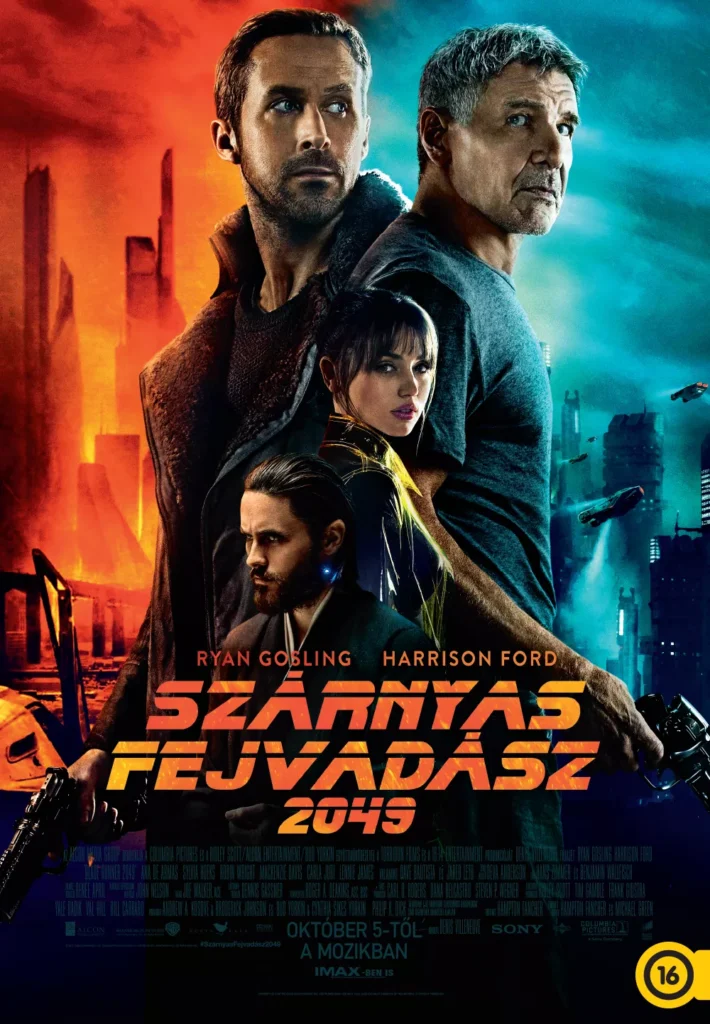
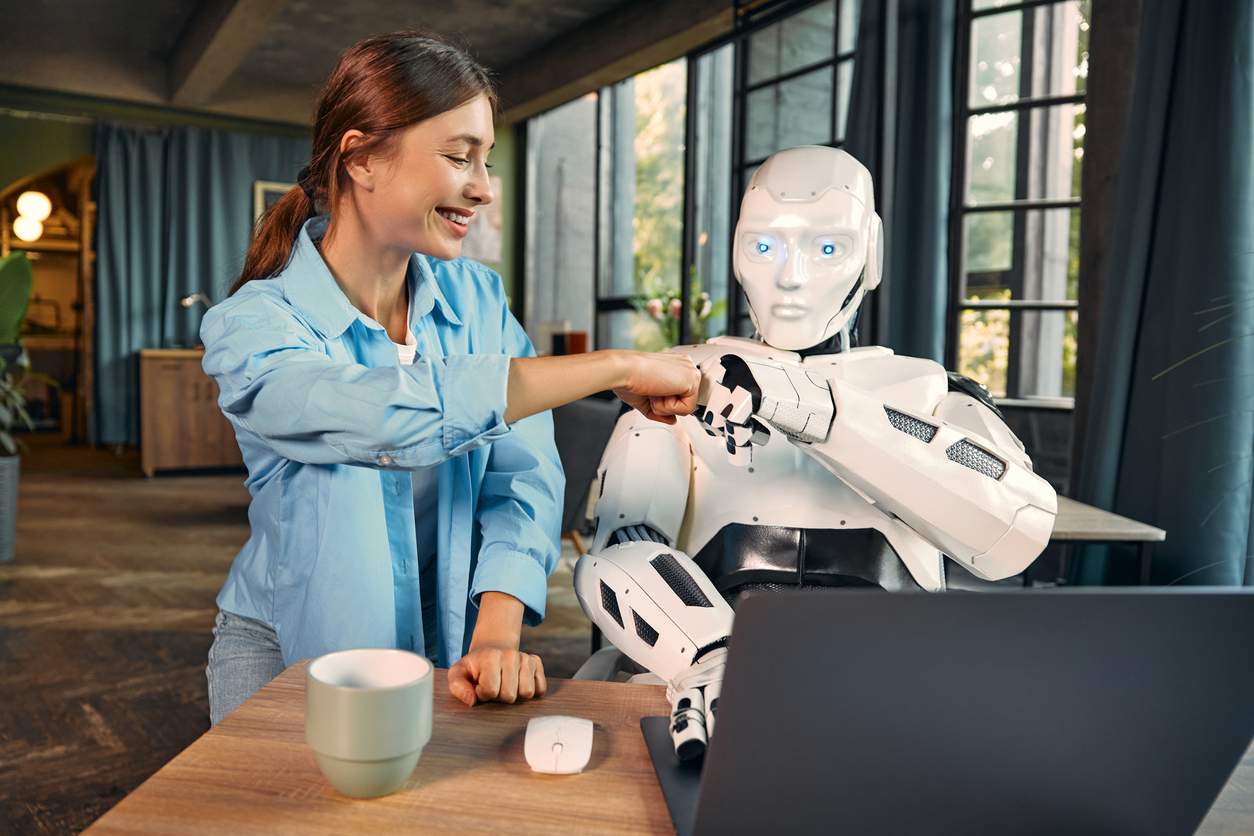
Ridley Scott’s classic, Blade Runner, focuses on the complex relationship between humans and artificial intelligence. It imagines a world where replicants—human-like machines—blend into society, challenging what it means to be alive and the authenticity of human connections. The film goes beyond technology, probing deep questions about human nature.
Given how fast technology evolves around us, it’s no surprise these ideas might be closer to reality than we think. With AI companies advancing rapidly and ethical debates heating up, the future Blade Runner envisions feels within reach.
Climate Change Impact: Mad Max
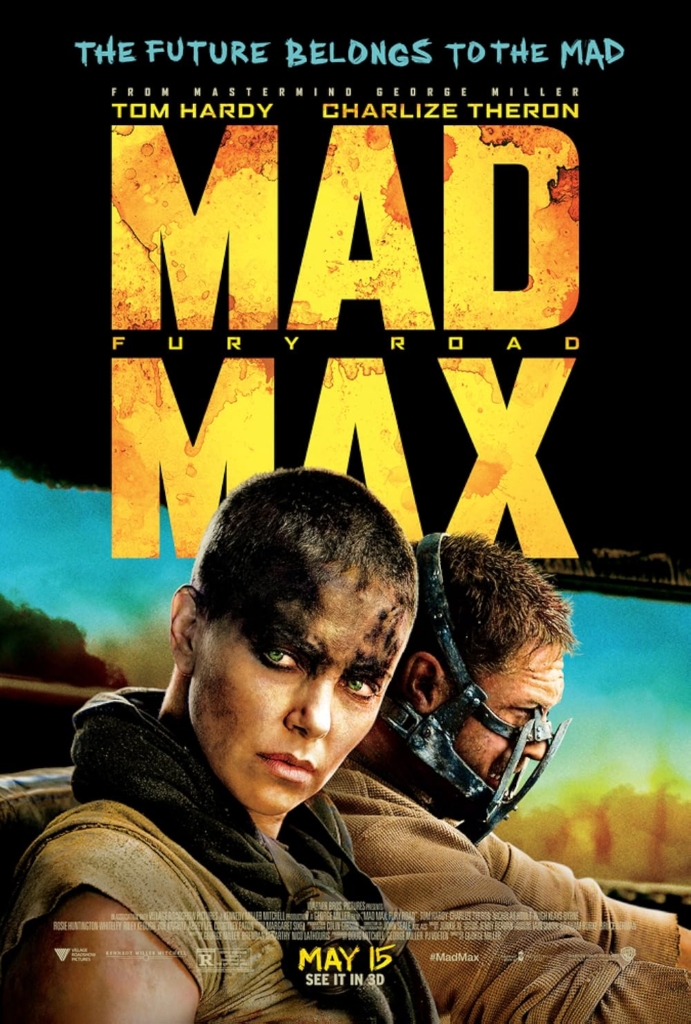
The Mad Max series paints a starkly realistic future where climate change turns resource battles into everyday survival struggles. George Miller’s films highlight environmental collapse and humanity’s fight to endure—topics that feel especially urgent today.
Though extreme, these films push us to consider how global warming and ongoing environmental decline could shape our daily lives. They remind us why sustainability and disaster prevention matter now more than ever.
Post-Apocalyptic Visions: The Road

The film adaptation of Cormac McCarthy’s novel, The Road, shows a world where humanity clings to life amid civilization’s ruins. Despite its dark tone and bleak outlook, it reveals hope through human love and the will to survive.
This apocalyptic vision feels especially relevant as societies face increasingly complex challenges—economic, political, and environmental. Understanding these scenarios might help us avoid a similar fate.
Virtual Reality and Perception Limits: The Matrix
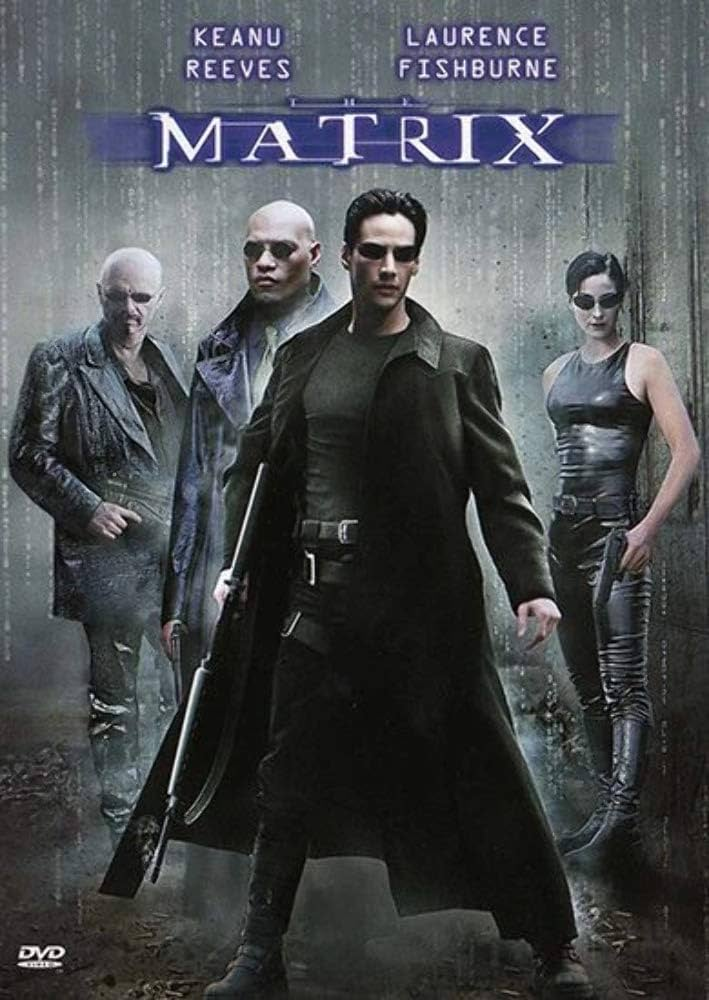
The Wachowski siblings’ The Matrix changed how we see the link between virtual reality and human consciousness. Its core idea—that our perceived reality might be a programmed illusion—feels less far-fetched today.
With virtual reality advancing and tech weaving deeper into daily life, The Matrix seems closer than anyone imagined. The film’s ongoing questions about ethics and freedom still spark important conversations.
Utopian Futures and Social Orders: Gattaca
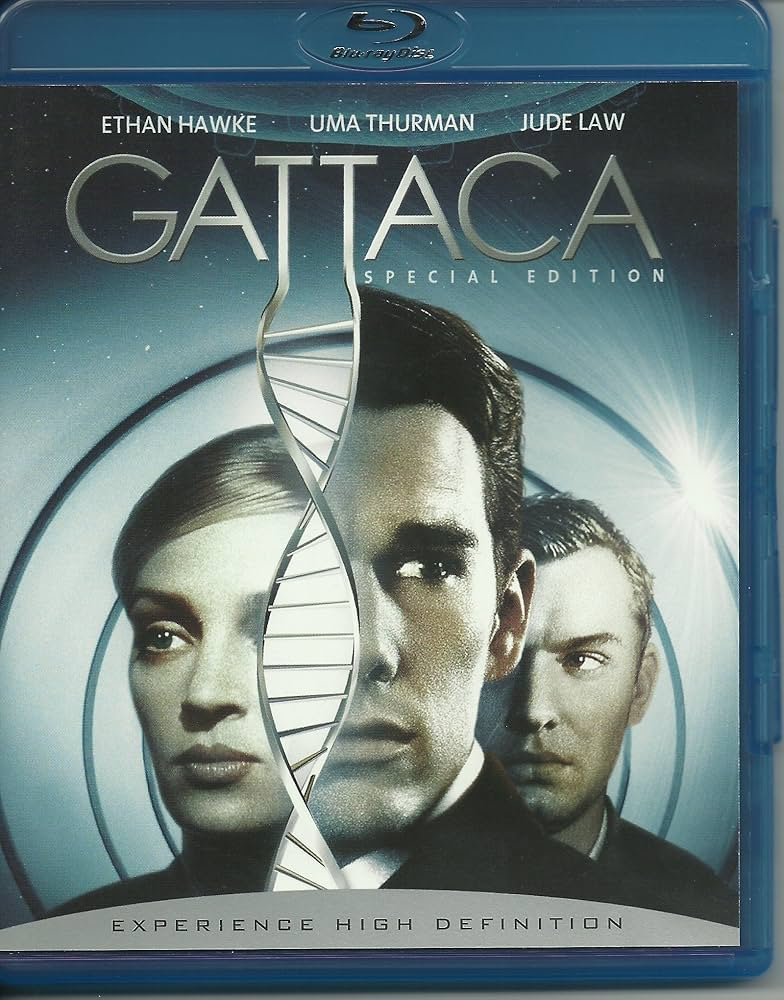
Andrew Niccol’s Gattaca imagines a utopian world where genetic heritage dictates social status. It vividly shows how tech innovations could shape inequality and discrimination.
With gene technology advancing rapidly, this vision might not be far off. Gattaca encourages us to actively consider the direction our society should take.
Constant Surveillance and Data Privacy: Enemy of the State
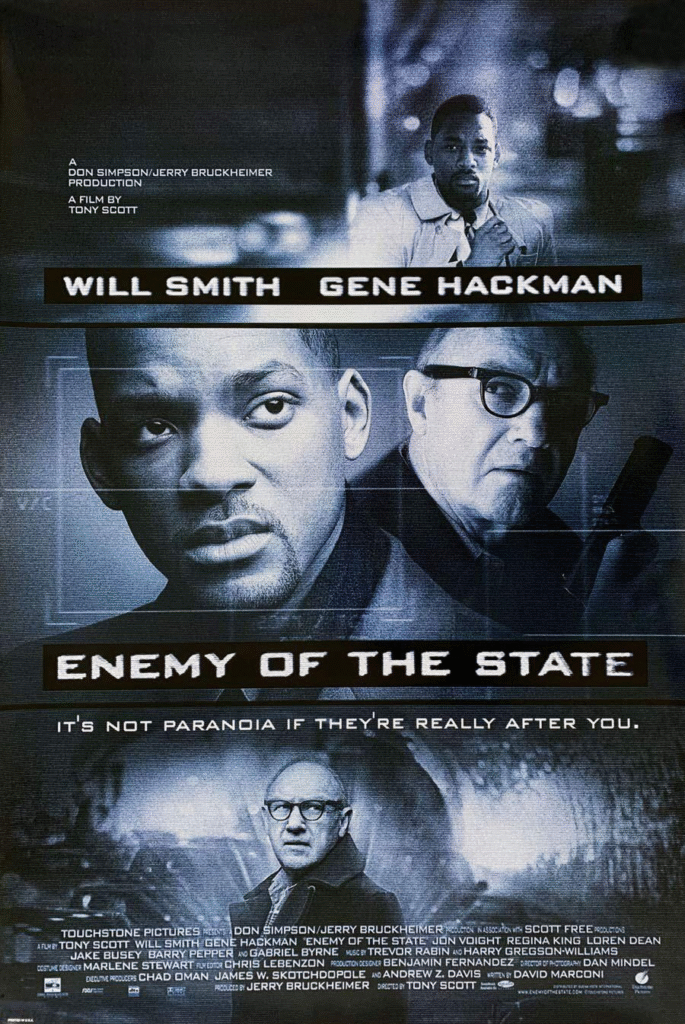
Tony Scott’s Enemy of the State depicts a society where technology lets the government monitor every citizen’s move. This scenario feels especially relevant today, as data privacy and civil liberties are hot topics.
With digital life expanding and data collection becoming routine, the issues raised by the film demand urgent attention. Protecting personal freedoms and data has never been more crucial.
Immortality and Technology: Transcendence
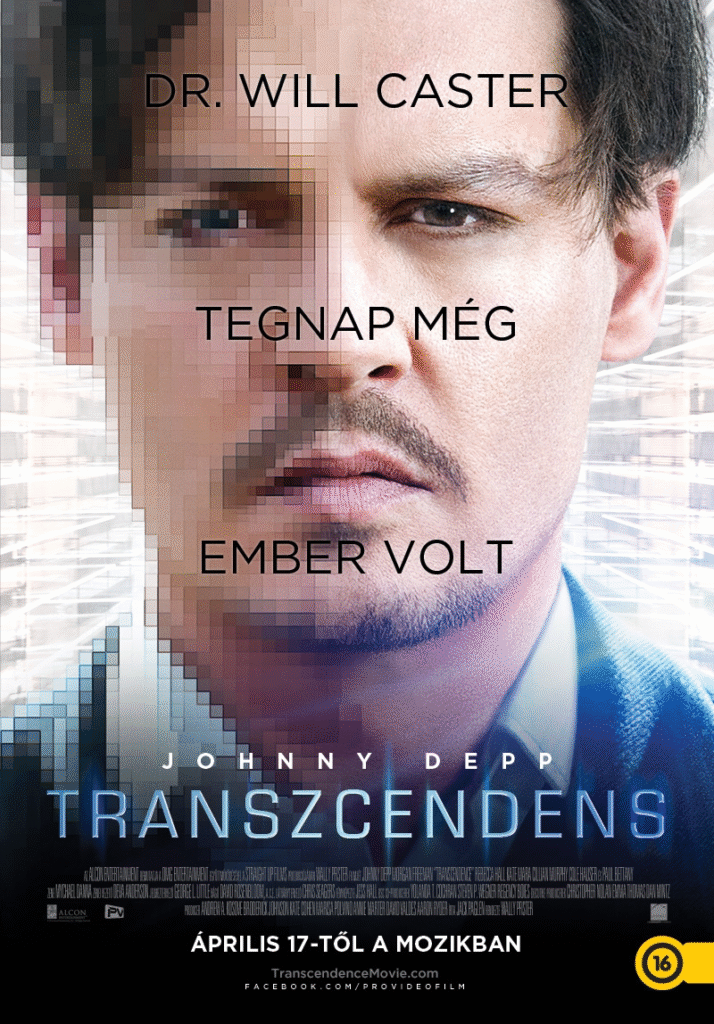
Wally Pfister’s Transcendence explores whether technology could unlock immortality and how that might change our relationship with time and each other.
While immortality still feels like sci-fi, breakthroughs in technology and biotech open doors once unimaginable. These advances invite us to rethink what it truly means to be human.