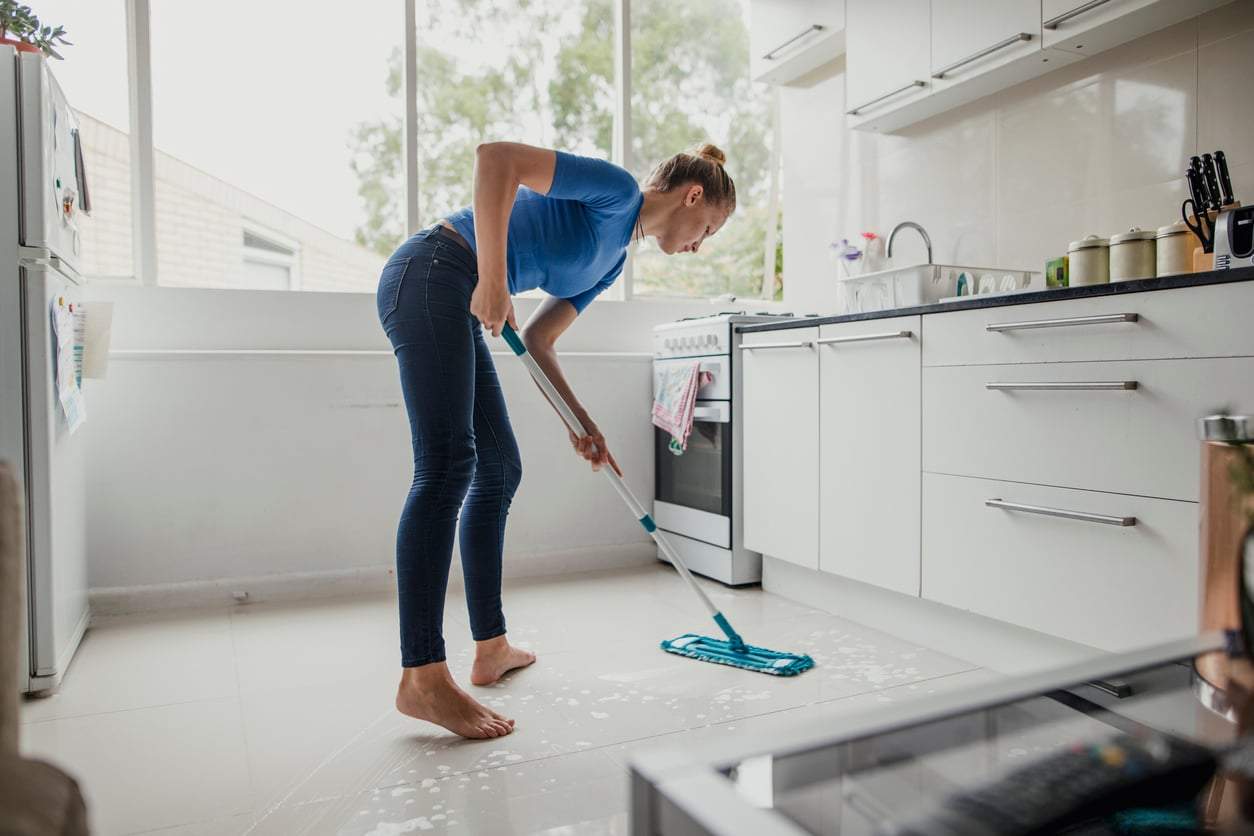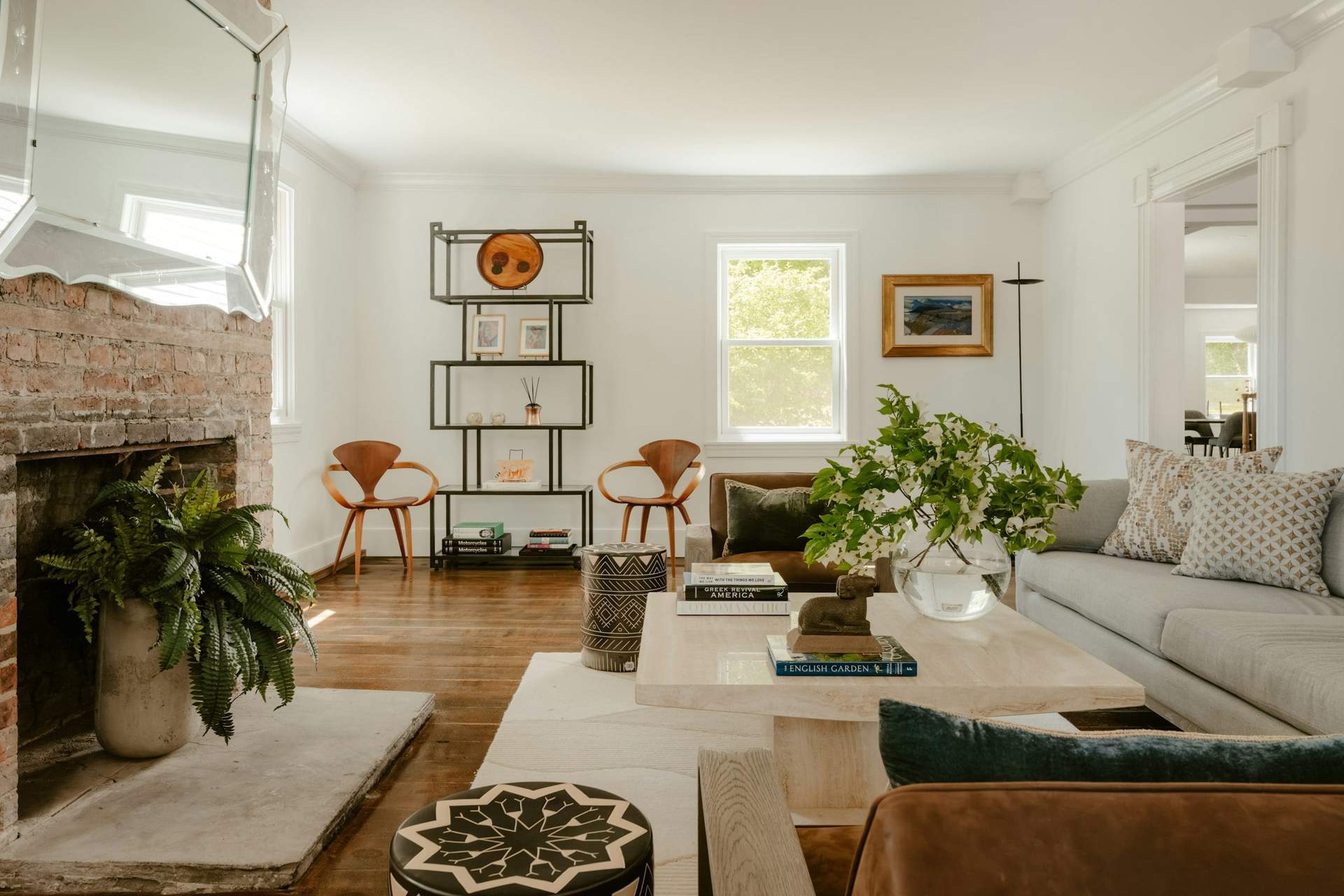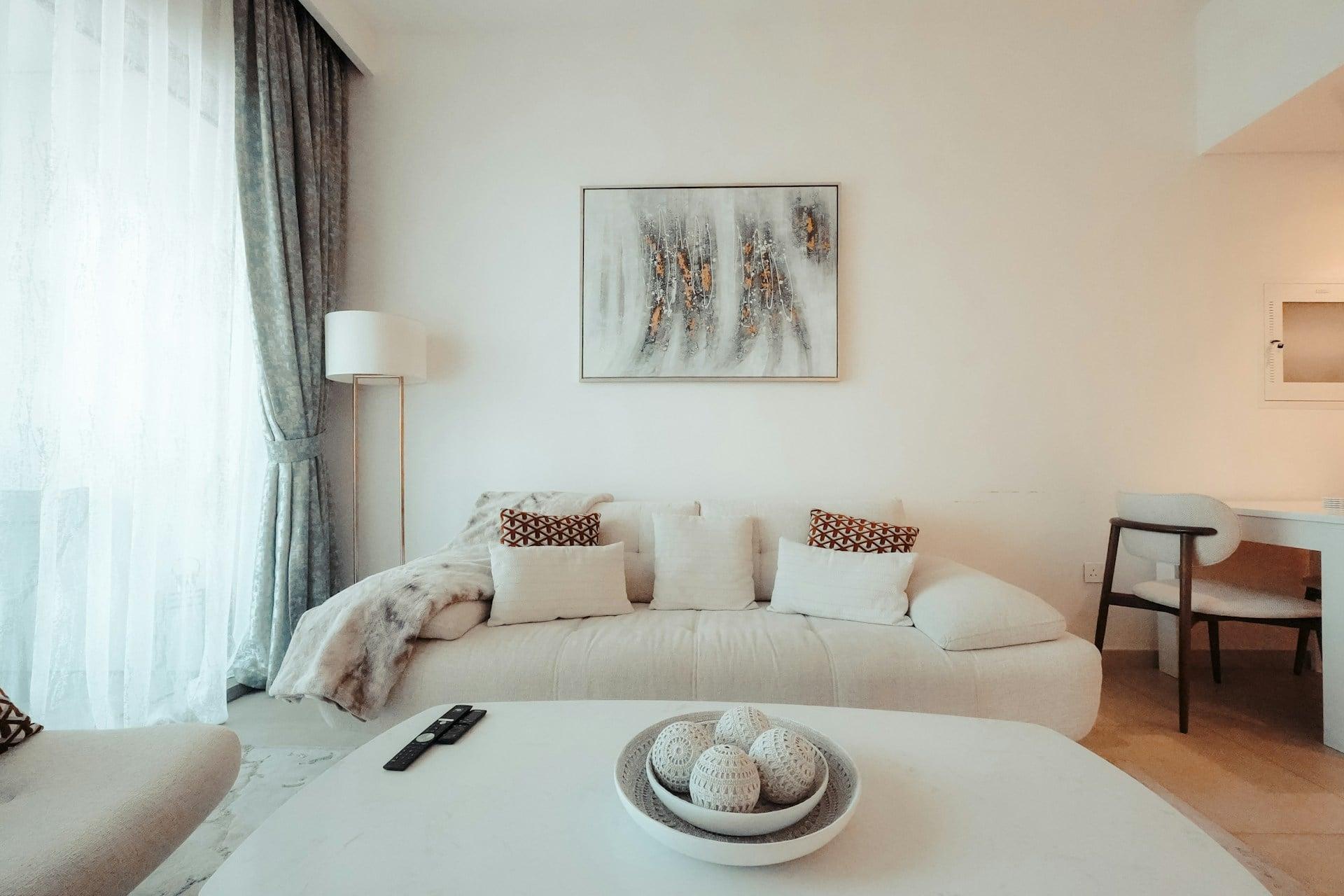
A spotless home feels great — but if you walk through the door and feel nothing, that's a problem. There's a real difference between a space that's clean and one that's cold. If your home looks like a showroom but never quite feels like yours, these seven signs might explain why.
No personal objects or memories on display
In an effort to keep things tidy, many people quietly remove everything that carries personal meaning. The result? A home full of generic, mass-produced objects that could belong to anyone.
Those small, seemingly insignificant items — a souvenir from a trip, a photo from a birthday, a gift from someone you love — are exactly what make a space feel inhabited. Without them, even the most beautifully designed room can feel hollow.
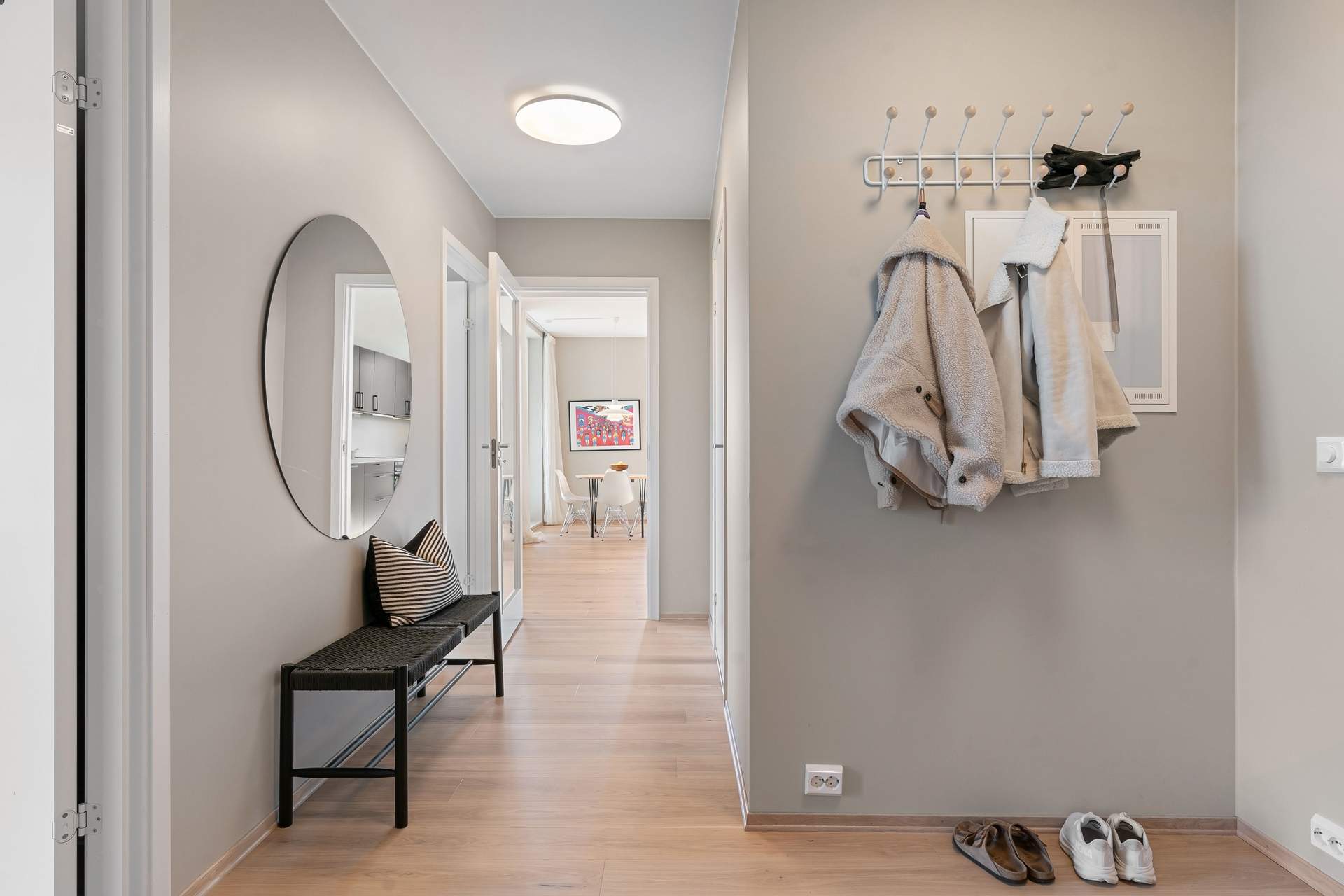
Everything is white or almost colorless
All-white interiors can look stunning in a magazine. In real life, living inside one for months on end is a different story. The absence of color drains warmth from a room and, over time, can subtly affect your mood without you even realizing it.
You don't need to repaint every wall — even a few carefully chosen accents, a colorful cushion, or a bold piece of art can completely shift the atmosphere of a space.
Minimalism has become a source of stress
Minimalism done well is genuinely freeing. But when it tips into obsession — when you find yourself anxious if a single object is out of place — it stops being a lifestyle and starts being a burden.
A little lived-in chaos is a good thing. A cozy corner that isn't perfectly styled tells the world that real people actually live here.
Letting go of perfection, even in small ways, is often the first step toward a home that actually feels like a refuge.
There are no plants or living things
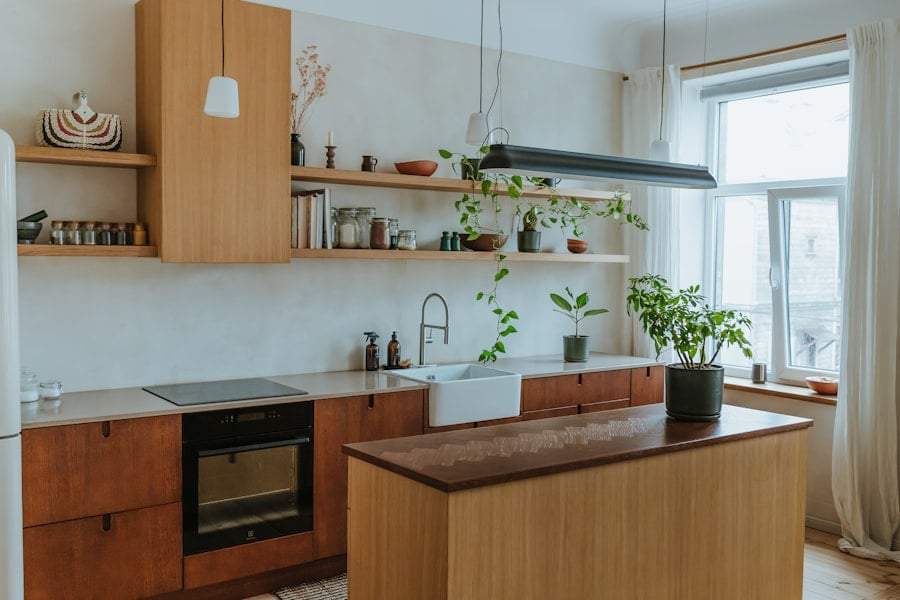
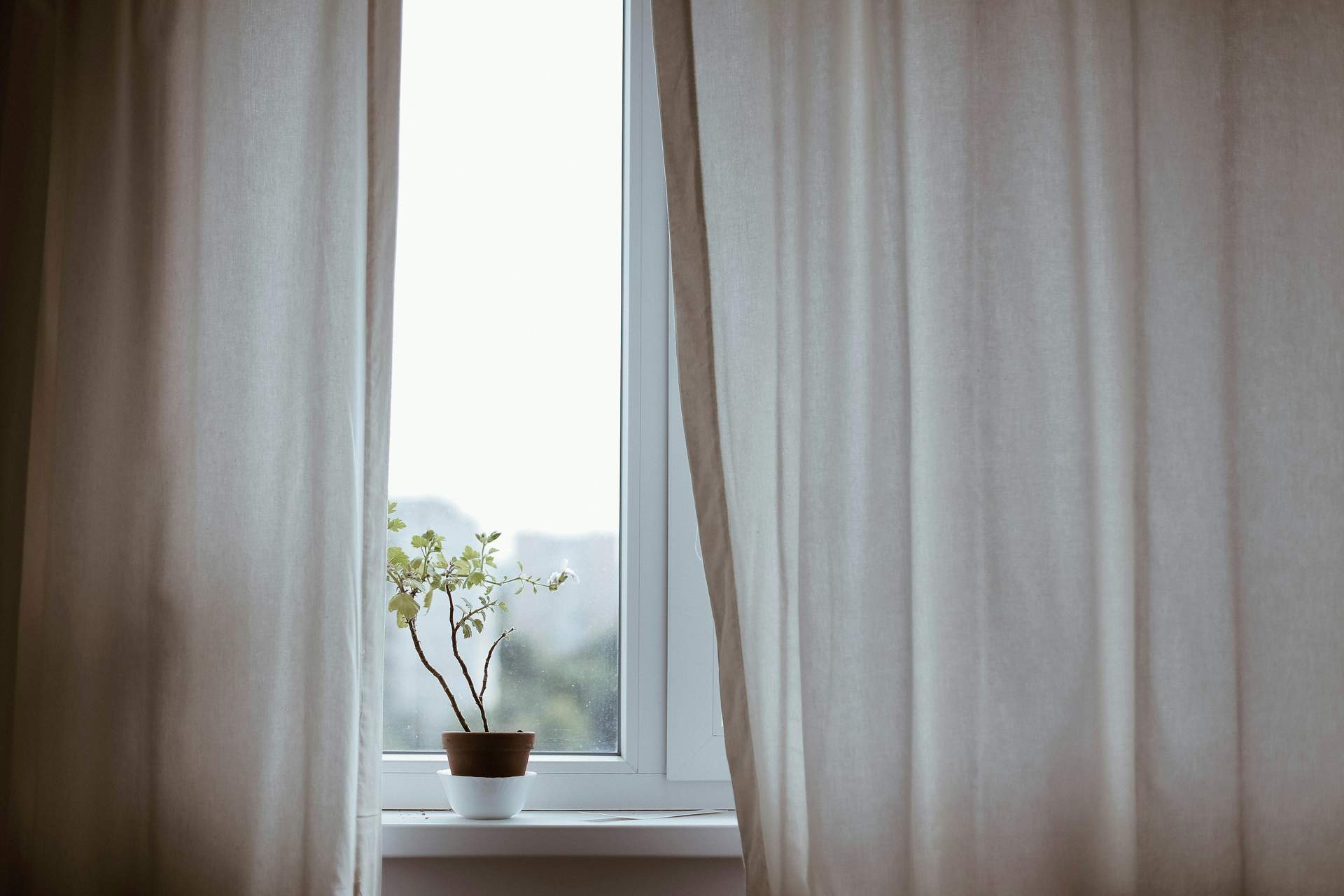
Few things transform a space as effortlessly as a living plant. Greenery adds oxygen, softens hard lines, brings a touch of nature indoors, and has been shown to reduce stress. A home without any plants or living elements can feel clinical — more waiting room than sanctuary.
You don't need a green thumb to start. Even a single low-maintenance plant on a windowsill makes a noticeable difference.
Every surface feels the same
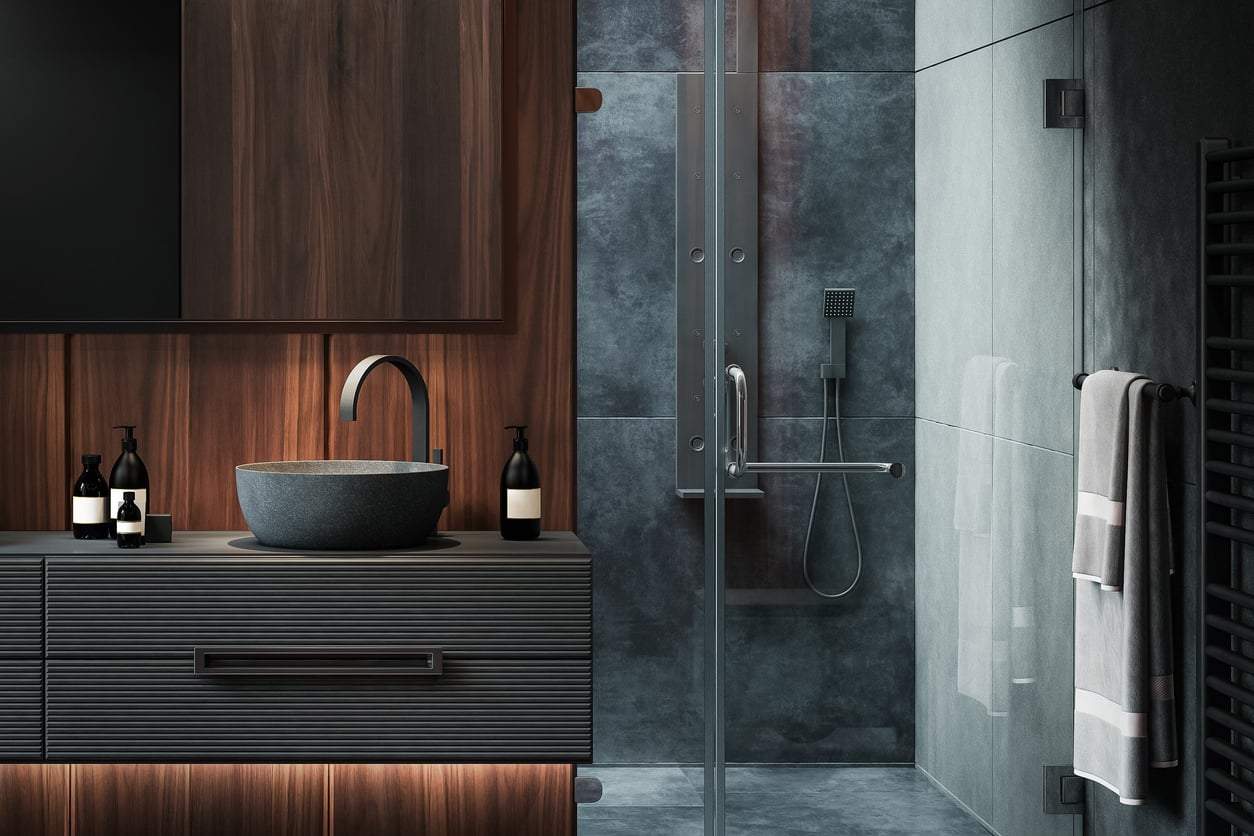
Texture is one of the most underrated elements of interior design. When every surface is smooth, flat, and uniform, a room loses its sensory depth — it looks fine but feels sterile to the touch and to the eye.
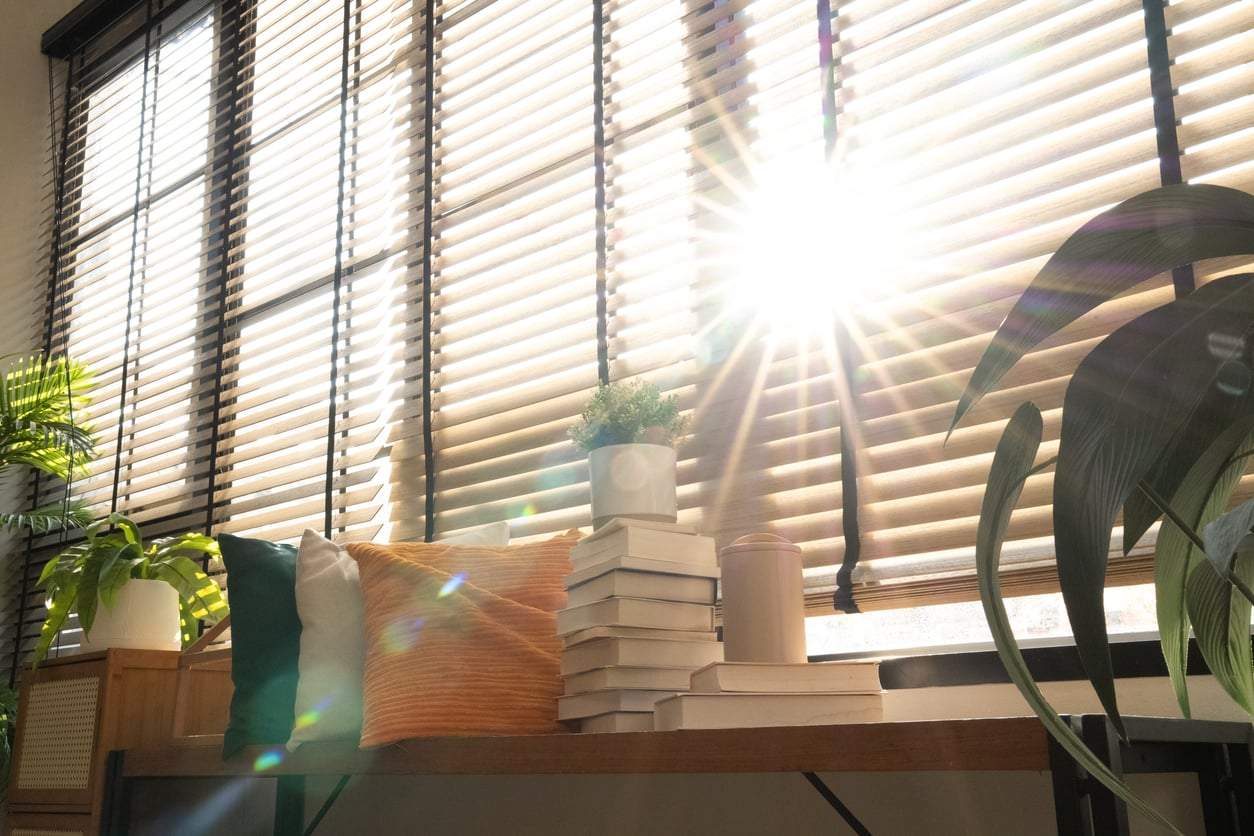
Layering different materials — a chunky knit throw, a soft rug, linen cushions, a wooden bowl — creates the kind of tactile richness that makes a space feel genuinely inviting rather than just visually neat.
The silence is too complete
Sound is a surprisingly powerful part of what makes a home feel alive. Walk into a completely silent apartment and notice how it feels — no background music, no hum of life, nothing. That silence can amplify the sense of emptiness rather than calm.
Ambient sound matters. A playlist playing softly in the background, the sound of rain through an open window, or even the gentle noise of cooking can shift a space from cold to comforting in an instant.
Your home has no scent at all
Scent is deeply tied to memory and emotion — and a completely odorless home can feel oddly disconnected. A well-chosen candle, a diffuser, or even fresh flowers can do more for the atmosphere of a room than almost any piece of furniture.
The right scent doesn't just smell good — it signals to your brain that you're somewhere safe, familiar, and yours. That's a powerful thing to come home to.
The good news? None of these fixes require a renovation or a big budget. Personal objects, a splash of color, a plant, a soft texture, a familiar scent — these small, intentional choices are what turn a place to sleep into a home you actually want to be in.