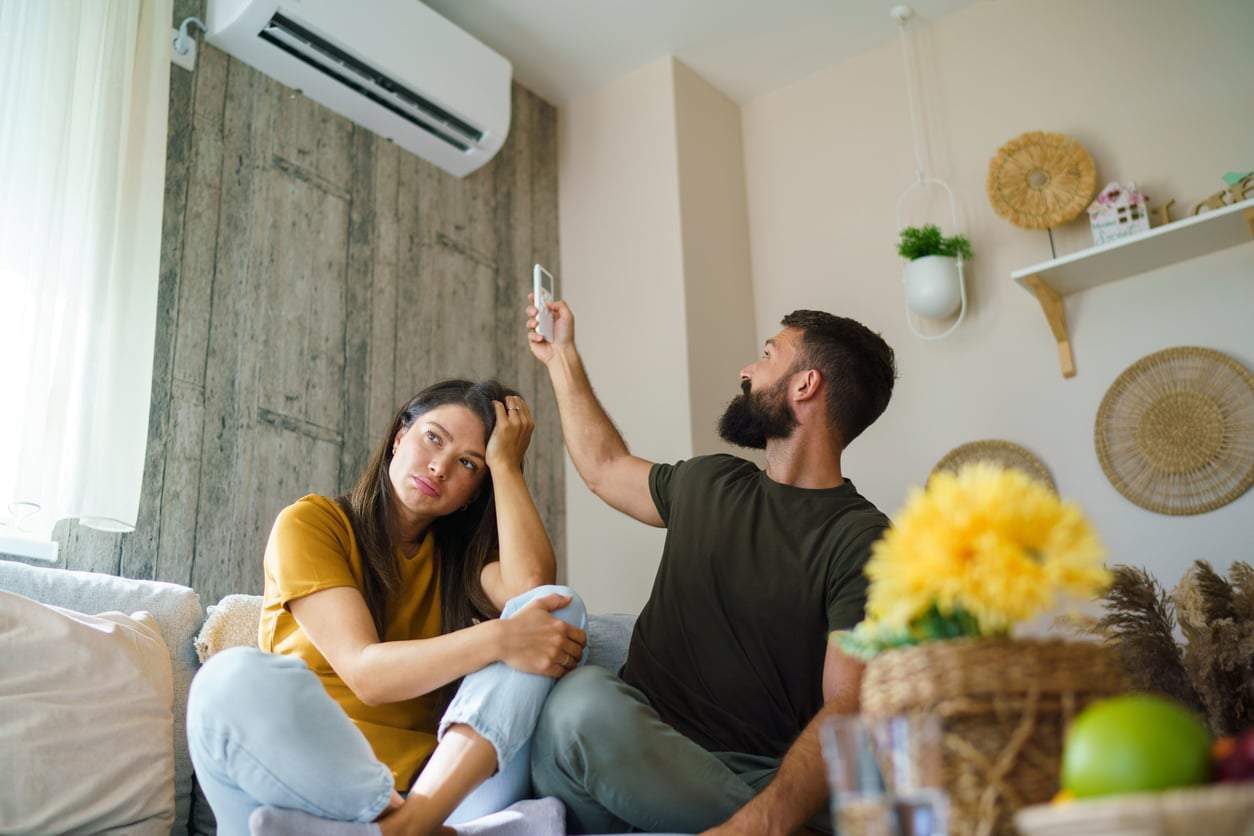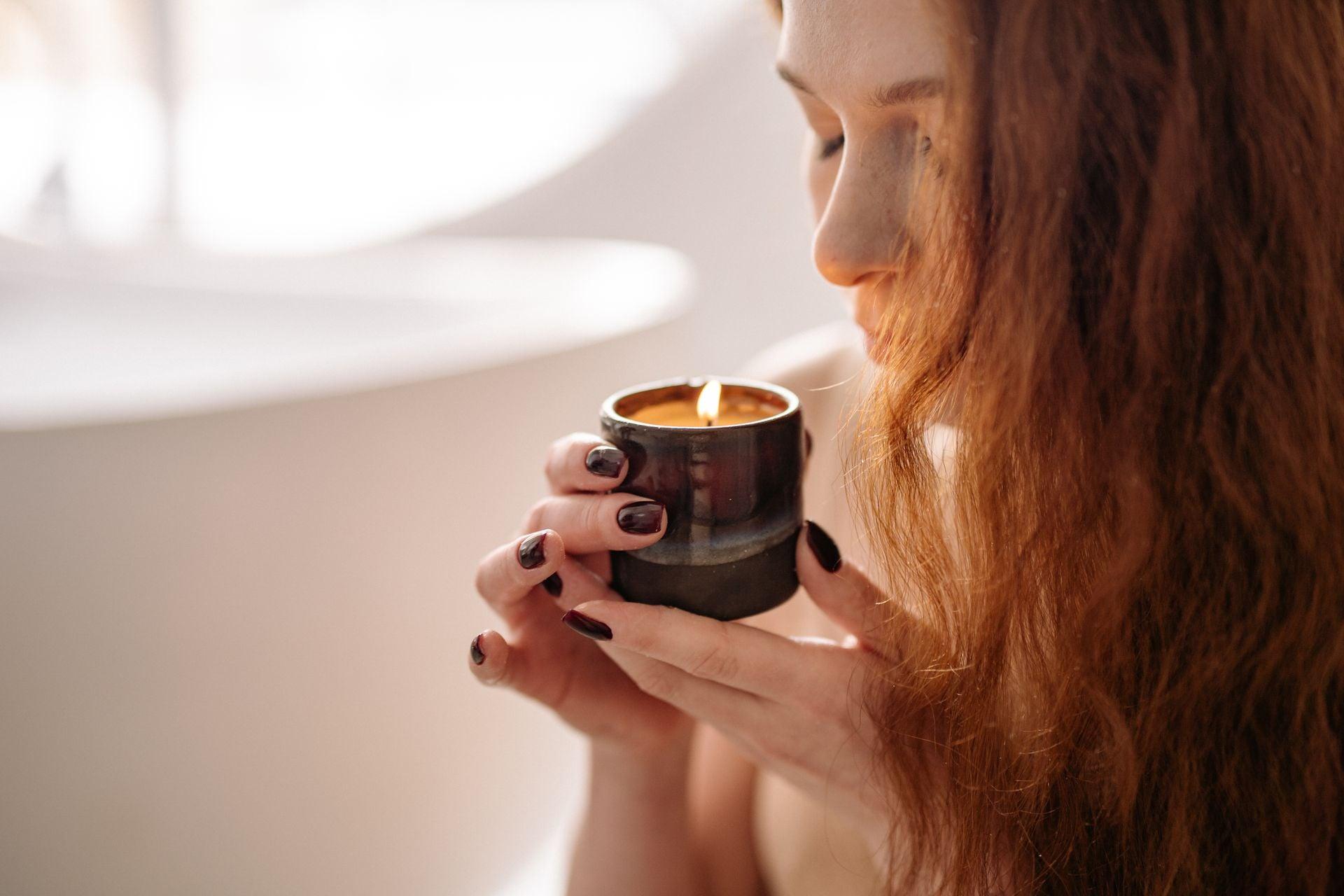
When the heat is relentless, most of us try every trick in the book to make our homes bearable. We close the blinds, switch on the fan, pour a cold drink, and do our best to keep the hot air out. But the Japanese have known for centuries that feeling cool isn't only about the actual temperature. You can gently "trick" your senses too — and one of the easiest ways is through scent.
In Japan there's a long-standing philosophy built around engaging every sense to amplify the feeling of coolness during the summer months. It includes the sound of running water, breathable fabrics, thoughtfully planned airflow through the home, and the use of scents that make the air feel lighter and fresher. And in this tradition, one scent stands above the rest: mint.
Why mint?
Mint doesn't actually lower the temperature of a room, yet it can genuinely make your surroundings feel cooler. The secret is menthol, which activates the so-called cold-sensing receptors found in your skin and the lining of your nose.
When you breathe in a minty scent, your brain stimulates the very same receptors that a cool breeze or a chilled object would trigger. As a result, your body registers a real sensation of coolness — even if the room hasn't dropped a single degree.
Several studies have shown that menthol can heighten the sensation of coolness by activating the body's cold-sensing receptors (TRPM8). The effect makes heat feel less oppressive, while the actual temperature of the room stays exactly the same.
Japanese mint is even more special than regular peppermint
In Japan, the go-to variety is hakka mint, grown mainly on the island of Hokkaido. It contains more menthol than traditional peppermint, so it delivers a more intense, cleaner cooling sensation.
Its scent is less sweet and more crisp — almost airy and refreshing. It's no surprise that it has held such a prized place in Japan's summer scent culture for centuries.
How to use mint around your home
The simplest method is diffusing an essential oil. A few drops of mint oil in a diffuser or aroma lamp can freshen up a room in minutes.
But there are more creative options too:
- add a few drops of mint oil to your fan's filter or outer casing;
- place incense sticks near an open window so the incoming air carries the fresh aroma inside;
- put a few drops on your curtains, or spritz a fabric spray onto your bedding;
- keep a minty scent source near your entrance so you're greeted by a cooler feeling the moment you walk in.
Just remember to always use essential oils as directed, and try to choose high-quality products.
It doesn't just cool — it helps with other summer annoyances too
Another perk of mint is that it naturally freshens the air, and many people find it makes stuffy, stale rooms far more pleasant. On top of that, mint oil can help keep certain insects at bay, which makes it especially popular in summer.
It won't replace a window screen or a proper insect repellent, but plenty of people use it as a complementary trick on terraces, balconies, or near open windows.
Other scents that make a space feel cooler
If mint isn't your thing, there are several other scents that can make your home feel fresher thanks to their psychological effect.
Eucalyptus
Eucalyptus doesn't activate the cold-sensing receptors as strongly as menthol, yet many people find it makes the air feel cleaner and easier to breathe. That's exactly why so many wellness centers and spas rely on this aroma.
Yuzu
The scent of Japanese yuzu citrus is fresh, lively, and refined all at once. It's less loud than lemon or orange, making it an elegant way to bring a summery mood into your home.
Hinoki cypress
Hinoki is one of Japan's most famous trees, with a scent that's gently woody, resinous, and deeply calming. It's a favorite in Japanese baths and wellness centers because it creates an atmosphere that feels both clean and harmonious.
Green tea
The scent of green tea works especially well in summer because it's light, clean, and never weighs the air down. Plenty of modern home fragrances and candles use this fresh, understated aroma.
Feeling cooler isn't only about scent
According to the Japanese approach, summer comfort comes from several senses working together. That's why, alongside scents, it's worth paying attention to your visual surroundings too.
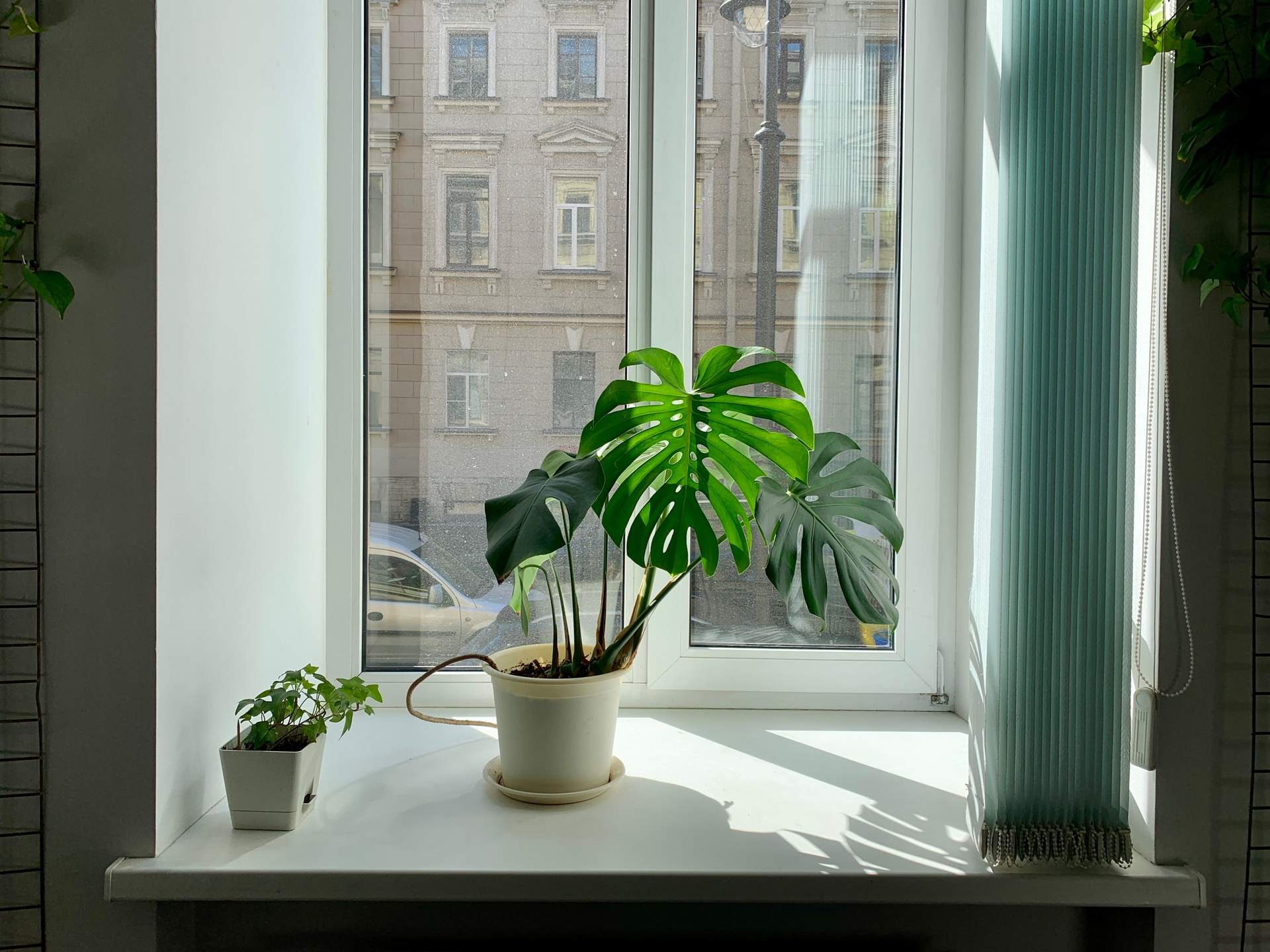
Light fabrics, breezy linens, glass and ceramic accents, the sight of water, and even houseplants can all help a home feel less stifling.
Research suggests that bluish and greenish tones can also strengthen the feeling of coolness, while too many dark or warm-toned surfaces can psychologically make a room feel hotter.
So the Japanese cooling scent trick isn't really a miracle cure — it's a clever sensory hack. It doesn't chill the air; it simply helps your home feel more pleasant, fresher, and easier to bear, even on the hottest summer days.
Does mint actually lower the room temperature?
No. Mint doesn't change the actual temperature at all. It works by activating the cold-sensing receptors in your skin and nose, so your body registers a cooler sensation even though the room stays the same.
What's the easiest way to use mint at home?
The simplest method is diffusing mint essential oil in a diffuser or aroma lamp. You can also add a few drops to your fan, curtains, or bedding for a fresh, cooling effect.
Why is Japanese hakka mint better than regular peppermint?
Hakka mint, grown mainly on Hokkaido, has a higher menthol content than traditional peppermint. That gives it a more intense, cleaner, and crisper cooling sensation.
Which other scents can make a home feel cooler?
Eucalyptus, yuzu, hinoki cypress, and green tea are all great alternatives. They make the air feel lighter, fresher, and cleaner thanks to their refreshing psychological effect.