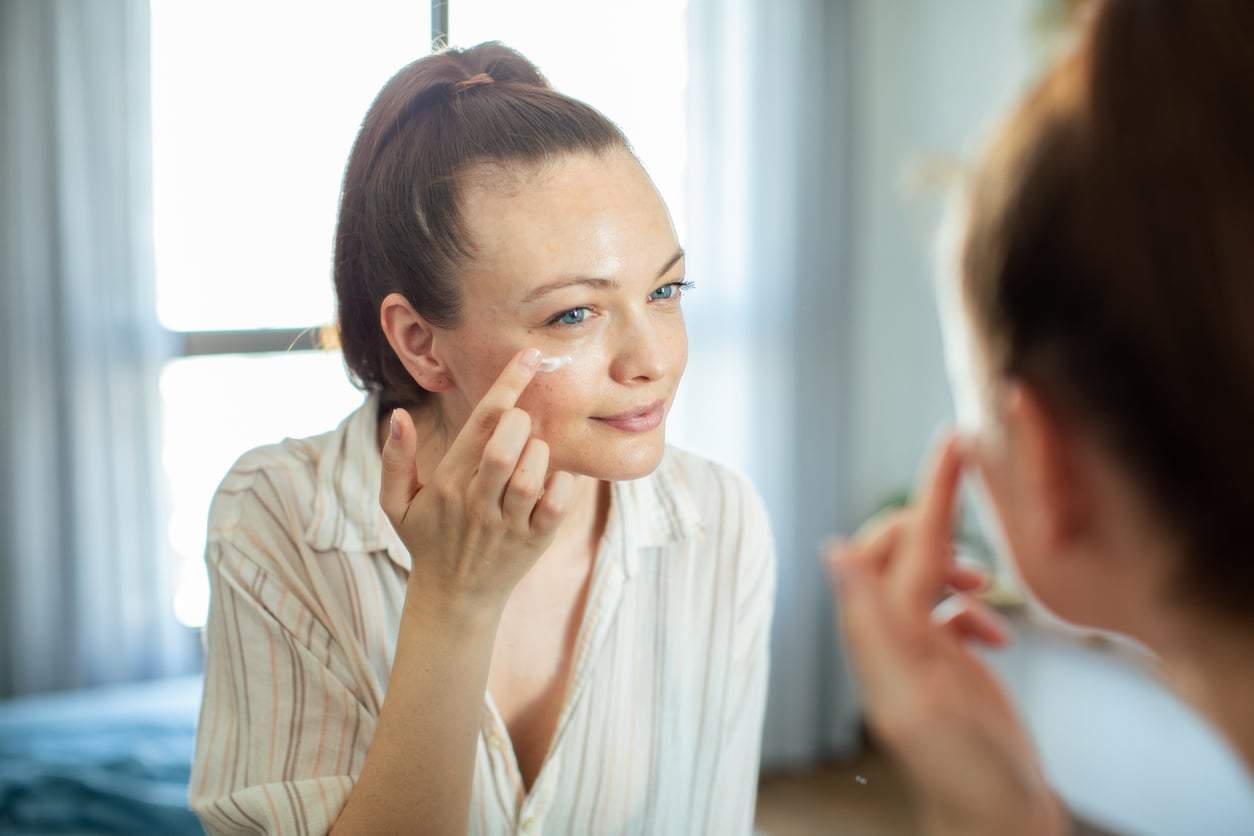
Your skin is too oily by noon, or tight and flaky no matter how much moisturizer you apply. Sound familiar? The frustrating truth is that the culprit is often not your skin type — it's your routine. Small, easy-to-miss habits can quietly push your skin out of balance, and fixing them doesn't require a complete overhaul. It just requires knowing what to look for.
Using the wrong cleanser
One of the most common mistakes is reaching for a cleanser that simply isn't right for your skin. A product that's too harsh strips away natural oils and disrupts the skin barrier, while one that's too gentle leaves behind excess sebum and daily buildup.
Both scenarios lead to the same result: clogged pores and an unbalanced complexion. The fix is straightforward — choose a cleanser formulated for your actual skin type, whether that's oily, dry, or combination, and stick with it consistently.
Skipping moisturizer on oily skin
This is one of the most persistent myths in skincare: that oily skin doesn't need hydration. In reality, when your skin is deprived of moisture, it compensates by producing even more oil. The result is a shinier, more congested complexion — the opposite of what you want.
For dry skin, using the wrong moisturizer can be equally damaging, worsening flakiness and irritation over time. Every skin type needs hydration. The key is finding the right formula — lightweight gels for oily skin, richer creams for dry — and using it every single day.
Over-exfoliating
Exfoliation is genuinely useful, but more is not better. Scrubbing too often — or using acids too frequently — damages the skin's protective barrier, leaving it red, reactive, and vulnerable.
Paradoxically, over-exfoliation can trigger both excess oiliness and extreme dryness, depending on how your skin responds to the stress. For most people, once a week is plenty. Always let your skin's reaction guide the frequency, not the instructions on the packaging.
A diet that's working against your skin
What you eat shows up on your face — eventually. A diet high in sugar and ultra-processed foods promotes inflammation, which can manifest as breakouts, excess oil, and a dull, uneven skin tone.
On the other hand, a diet rich in fresh vegetables, fruit, and antioxidant-packed foods actively supports your skin's ability to repair and regulate itself. It's one of the most underrated skincare tools available — and it costs less than any serum.
Stress and poor sleep
This combination is one of the most damaging things you can do to your skin, and it's often invisible until the damage is already done. Elevated stress hormones increase sebum production, which leads to breakouts and shine. Meanwhile, a lack of sleep impairs the skin's natural overnight repair cycle, leaving it looking dull, puffy, and uneven.
Managing stress and prioritizing quality sleep aren't just wellness buzzwords — they're genuinely essential parts of any effective skincare routine.
Using makeup that clogs your pores
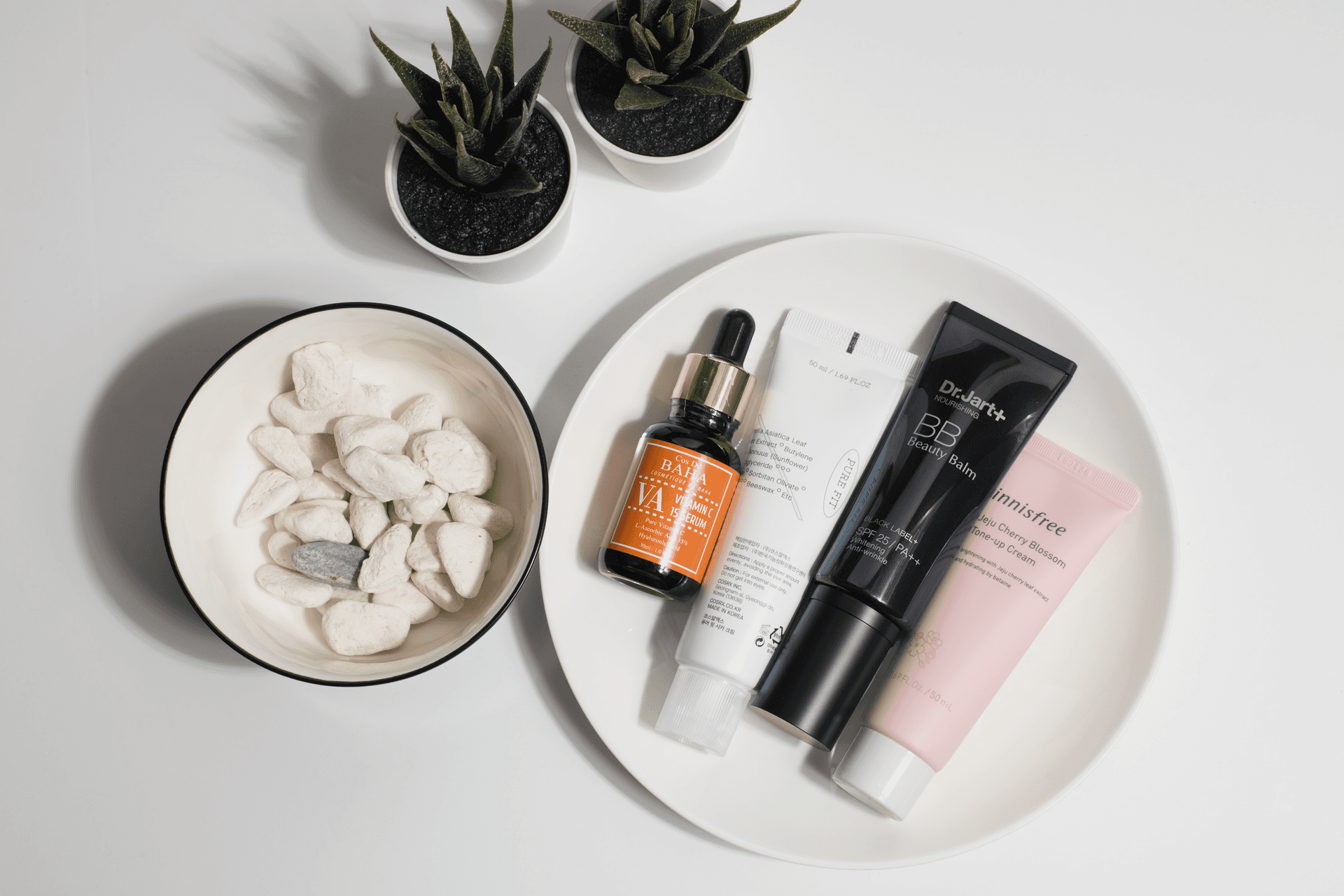
Not all foundations and powders are created equal. Products containing comedogenic ingredients — those known to block pores — can silently worsen oiliness, trigger breakouts, and throw your skin off balance, no matter how carefully you cleanse.
Choosing makeup formulated for your skin type, and checking ingredient lists for known pore-cloggers, makes a real difference. Look for labels that say non-comedogenic, especially if your skin tends to break out easily.
An inconsistent skincare routine
Consistency is the foundation of healthy skin. When cleansing, toning, and moisturizing happen randomly — some mornings, skipped evenings, occasional double-cleansing — the skin never gets a chance to stabilize.
A simple, dedicated morning and evening routine helps maintain the skin's natural protective barrier and keeps its functions running smoothly. It doesn't need to be complicated. It just needs to be regular.
Your skin is one of the clearest reflections of your overall health. By becoming aware of these common mistakes and gradually correcting them, you give your skin the consistency it needs to find its balance — and the result is a calmer, clearer complexion that actually behaves the way you want it to.