Your skin does its best repair work while you sleep — but only if you give it the right conditions. The good news? A few small, consistent habits each evening can make a surprisingly big difference in how your skin looks and feels when you wake up.
1. Always cleanse before bed
This one is non-negotiable. Throughout the day, your skin collects pollution, excess oil, sunscreen, makeup, and bacteria. Going to bed without removing all of that is one of the fastest ways to clog pores, trigger breakouts, and speed up skin aging.
Uncleansed skin overnight doesn't just stay dirty — it actively works against your complexion while you sleep.
After cleansing, follow up with a toner or facial mist to help restore your skin's natural pH balance. When it comes to choosing a cleanser, your skin type matters. If you're oily or acne-prone, look for a gentle, non-stripping formula that helps regulate sebum. If your skin tends to be dry, opt for something richer and more nourishing that won't leave your face feeling tight.
2. Layer on a serum or moisturizer
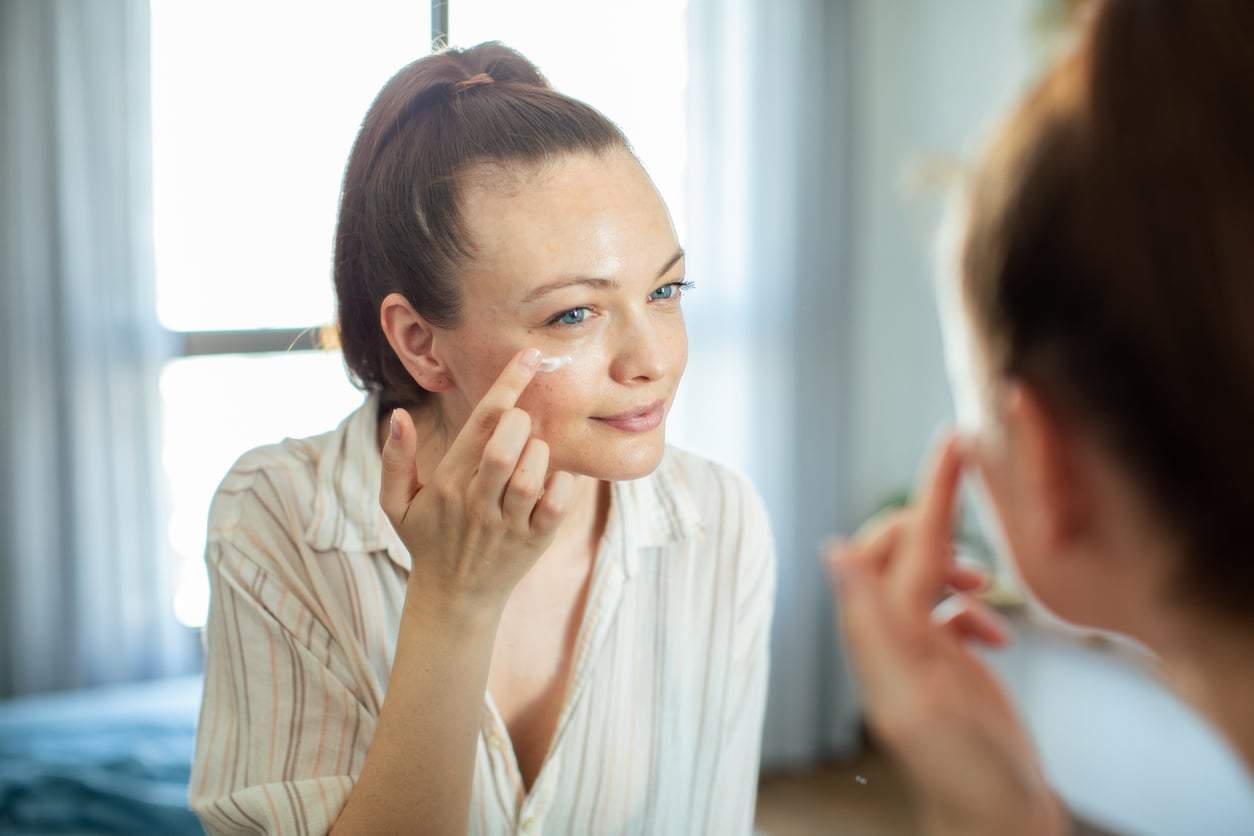
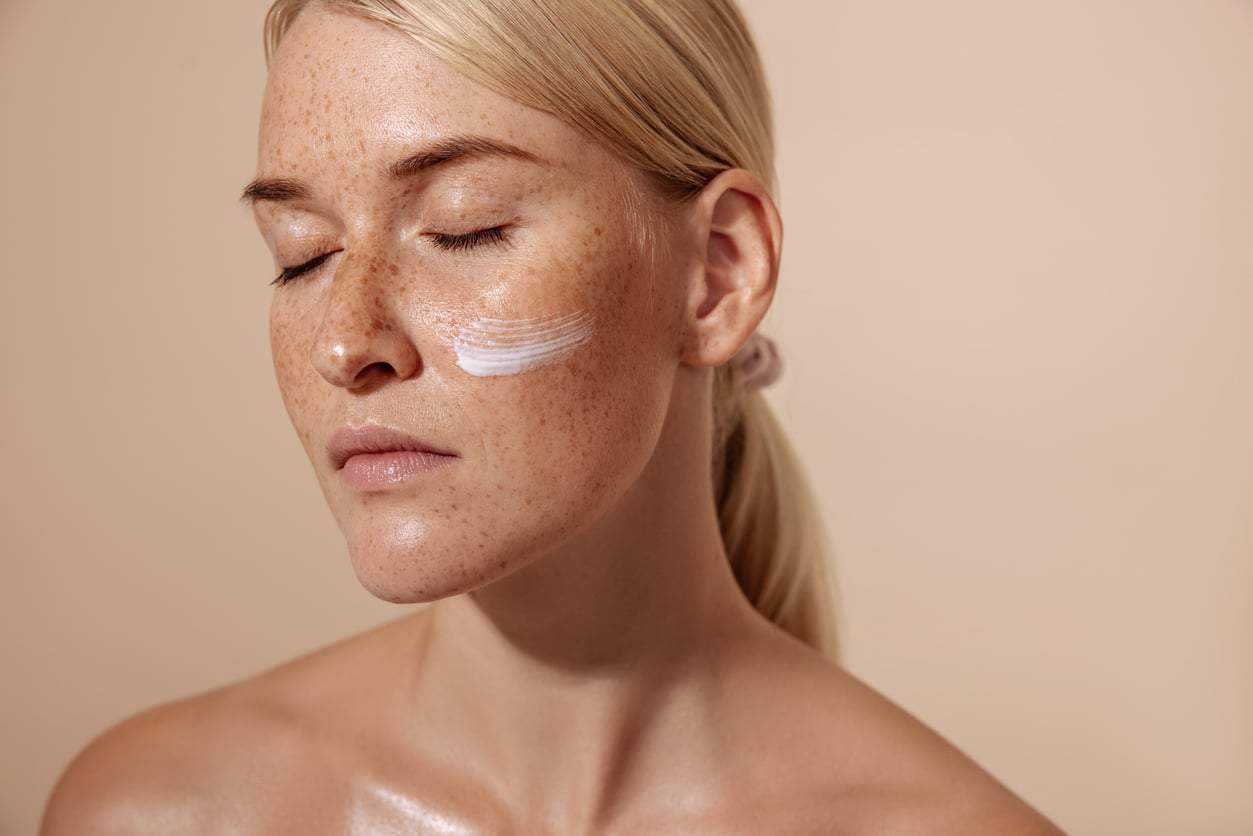
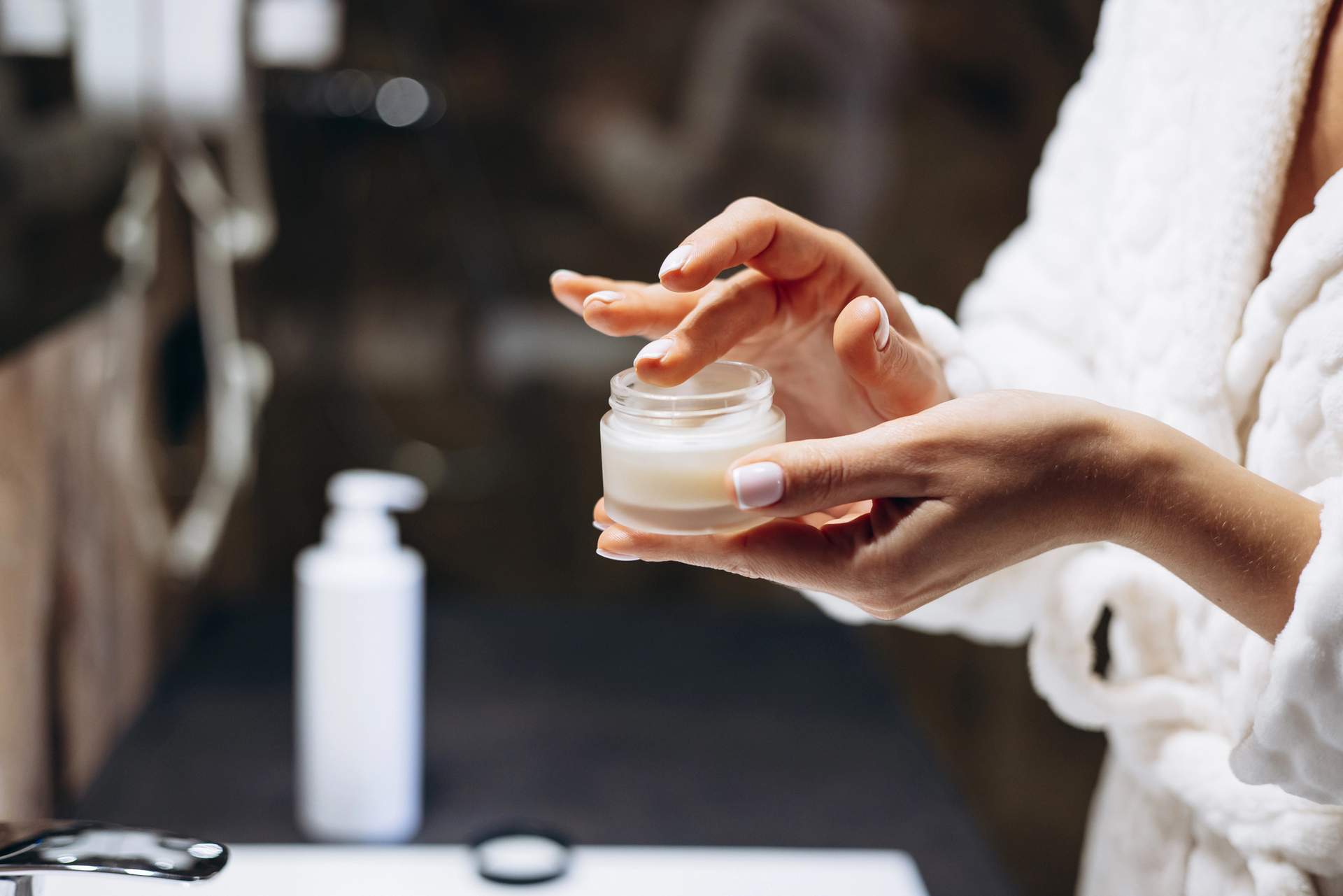
Once your skin is clean, it's primed and ready to absorb. This is the ideal moment to apply a high-quality serum or night moisturizer — and it's also when these products work hardest, since skin cell regeneration peaks during sleep.
Serums penetrate deeper than standard creams, delivering more concentrated active ingredients where your skin actually needs them. If your skin is dry or dull, look for formulas rich in hyaluronic acid and antioxidants. For oily or combination skin, lightweight, non-comedogenic serums are your best bet — hydration without the heaviness.
3. Use a face mask once a week
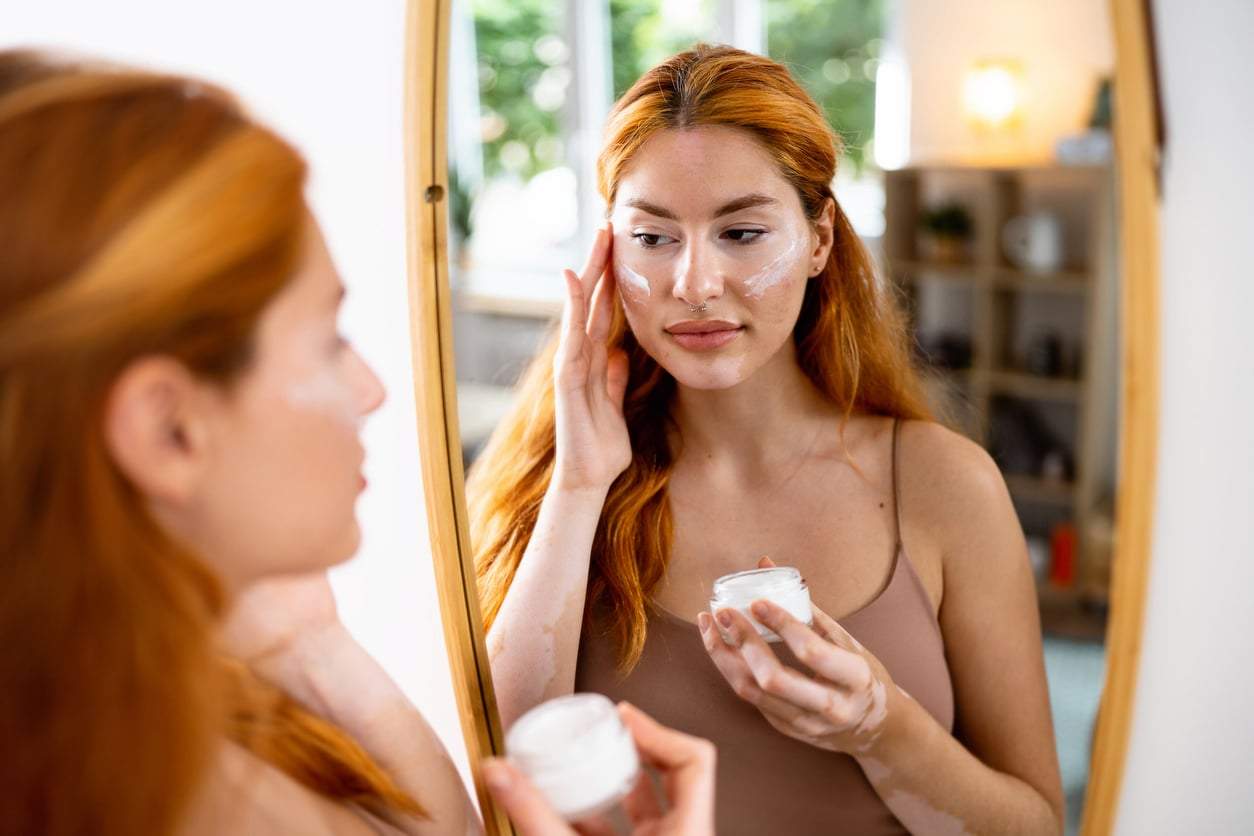
A weekly face mask isn't just a pampering ritual — it's a targeted treatment that can visibly improve your skin's texture and clarity over time. The key is matching the mask to what your skin needs most that week.
Feeling dry and tight? A rich, hydrating mask applied in the evening will soak in beautifully while you wind down. Dealing with congestion or oiliness? A clay or activated charcoal mask will help draw out impurities and refresh clogged pores. Think of it as a weekly reset for your complexion.
4. Optimize your sleep environment
The space you sleep in has a direct impact on your skin. During the night, your body is in full repair mode — and a clean, well-balanced environment supports that process rather than working against it.
A bedroom humidifier can help maintain optimal moisture levels in the air, which reduces overnight skin dehydration — especially important in winter or air-conditioned spaces. And don't overlook your bedding: changing your pillowcases regularly is one of the simplest ways to keep your skin environment genuinely clean. Fabric that's been slept on for days accumulates oil, bacteria, and product residue — all of which transfer directly onto your face.
5. Wind down and manage stress
There's a well-established link between stress and skin. Elevated cortisol levels can trigger inflammation, excess oil production, and breakouts — which means that how you feel at bedtime shows up on your face.
Building even a short wind-down ritual into your evenings can make a real difference. Meditation, deep breathing exercises, or a warm bath with a few drops of essential oil are all effective ways to lower tension before sleep. Over time, this kind of inner calm becomes visible on the outside too.
The best part about an evening skincare routine is that it doesn't have to be complicated or expensive. Small, consistent steps — done regularly — add up to real, lasting results. Start with one or two of these habits and build from there.