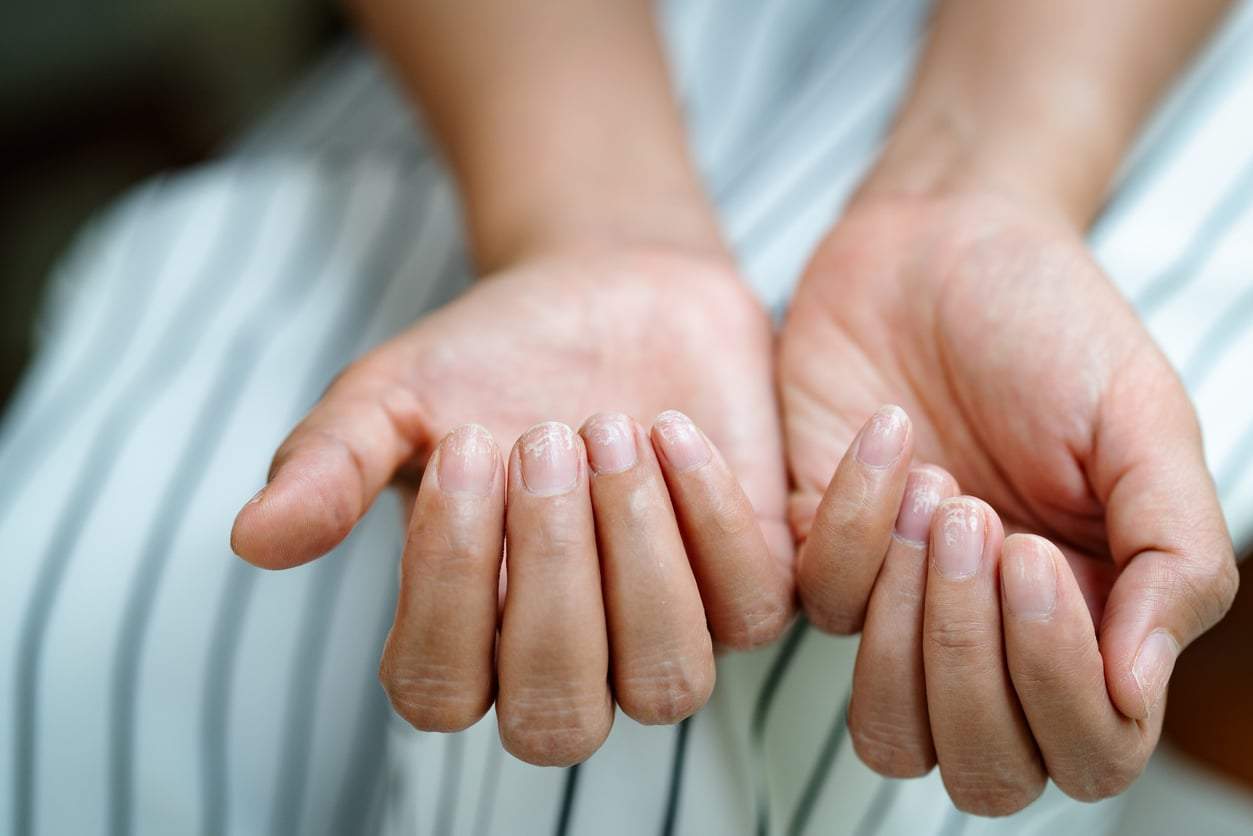
You might know someone who’s almost always chilly. No matter the weather, their hands and feet are cold, and they often shiver even indoors in a warm room. Many people just accept being "cold-sensitive," but there can be various causes behind it. Sometimes it’s harmless, but other times the body might be signaling an underlying issue.
Some People Are Naturally More Sensitive to Cold
Sometimes, without any clear health problems, someone might just feel cold more often. Several factors can play a role. One common reason is lower muscle mass, since muscles generate heat. People with less muscle may feel colder more easily. In cold environments, the body tries to preserve heat around vital organs, so blood flow to extremities like the hands and feet can decrease, making them feel even colder.
Research shows women often feel the cold more, and sensitivity can increase with age due to changes in muscle mass, circulation, and metabolism.
Lack of Sleep Can Make You Feel Colder
Your body runs on an internal clock called the circadian rhythm, which controls when you feel sleepy and alert. When it senses bedtime approaching, your body temperature naturally drops. If you’re not getting enough sleep regularly, your body might act like it needs rest even during the day. This can make you feel cold more often, even when the environment doesn’t call for it.

Poor Circulation Could Be the Cause
Circulation delivers blood and oxygen throughout your body. When circulation is weak, some areas—especially hands and feet—get less blood and cool down easily. Factors like smoking, inactivity, or excess weight can affect circulation. Moving regularly and living healthily often helps improve this.
Rapid Weight Loss Can Make You Feel Cold
It might surprise you, but losing weight quickly can make you feel colder. The fat layer under your skin acts like natural insulation, helping keep your body warm. When this layer shrinks, your body cools down faster. Also, drastically cutting calories can slow your metabolism, which can increase that chilly feeling.

Vitamin Deficiency and Anemia
Missing certain nutrients can also make you feel cold. For example, vitamin B12 is crucial for your nervous system and blood production. If your body doesn’t get enough, symptoms like cold hands and feet can appear. Anemia—when you don’t have enough healthy red blood cells—can cause similar issues. It reduces oxygen delivery, leading to fatigue and feeling cold.
Thyroid Issues Could Be Behind It
The thyroid is a small gland in your neck that produces hormones controlling metabolism. If the thyroid is underactive, your body uses less energy and your temperature can drop. This often makes people feel cold almost all the time, even when others find the temperature comfortable.
When to See a Doctor?
Feeling cold often is usually harmless and just part of your unique makeup. But if you notice other symptoms alongside the coldness—like ongoing fatigue, dizziness, or numbness—it’s a good idea to check with a doctor. A professional can help figure out whether it’s just your body’s natural sensitivity or if there’s an underlying health issue.