A recent study by Talker Research revealed that 8 out of 10 people feel too tired to prepare fresh, wholesome meals after work. While this survey reflects American data, the trend is becoming clear worldwide, including here in Hungary. It’s no surprise that fatigue and packed schedules take a toll on our diets, ultimately impacting our weight and overall health.
The Challenges of Fatigue and Healthy Eating
The study found that 77% of people admit there are days when they’re simply too tired to cook. After a busy, stressful day at work, most aren’t eager to start preparing meals, often opting for convenience foods instead.
The research surveyed 2,000 Americans about their eating habits, painting a concerning picture: one in five said they were so exhausted while cooking that they actually fell asleep waiting for their food to finish. While extreme, this highlights the level of burnout many face daily.
Weekdays Are the Toughest
The study also showed most people find weekdays the hardest for maintaining a healthy lifestyle and cooking, but weekends aren’t always a break either — 38% say every day of the week is equally busy, just for different reasons.
Interestingly, Monday is the toughest day to cook homemade meals: 35% say it’s the hardest, followed by Wednesday and Friday tied at 29% each.
This might seem odd since many rely on weekend leftovers early in the week. So what’s behind these high numbers? It could be that weekends are spent on “well-deserved rest” and ordering takeout — leaving the fridge empty and no ingredients to pack or cook come Monday.

How Lack of Time Affects Our Diet
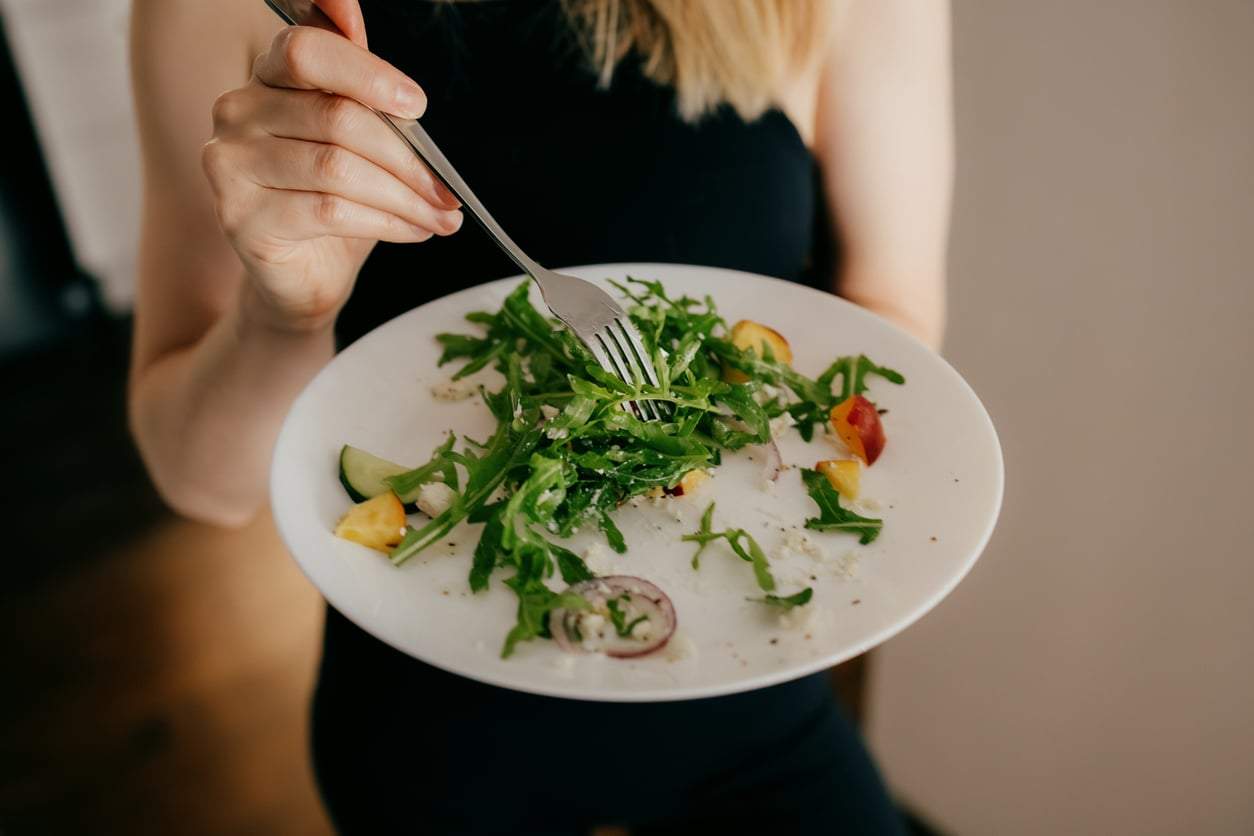
Time pressure and fatigue directly influence what we eat. Forty percent of respondents admitted their busy schedules affect their diet, and 57% said this has a noticeable negative impact on their health. With so much going on, many turn to quick, easy-to-grab foods that tend to be less healthy than a simple veggie-packed durum pasta.
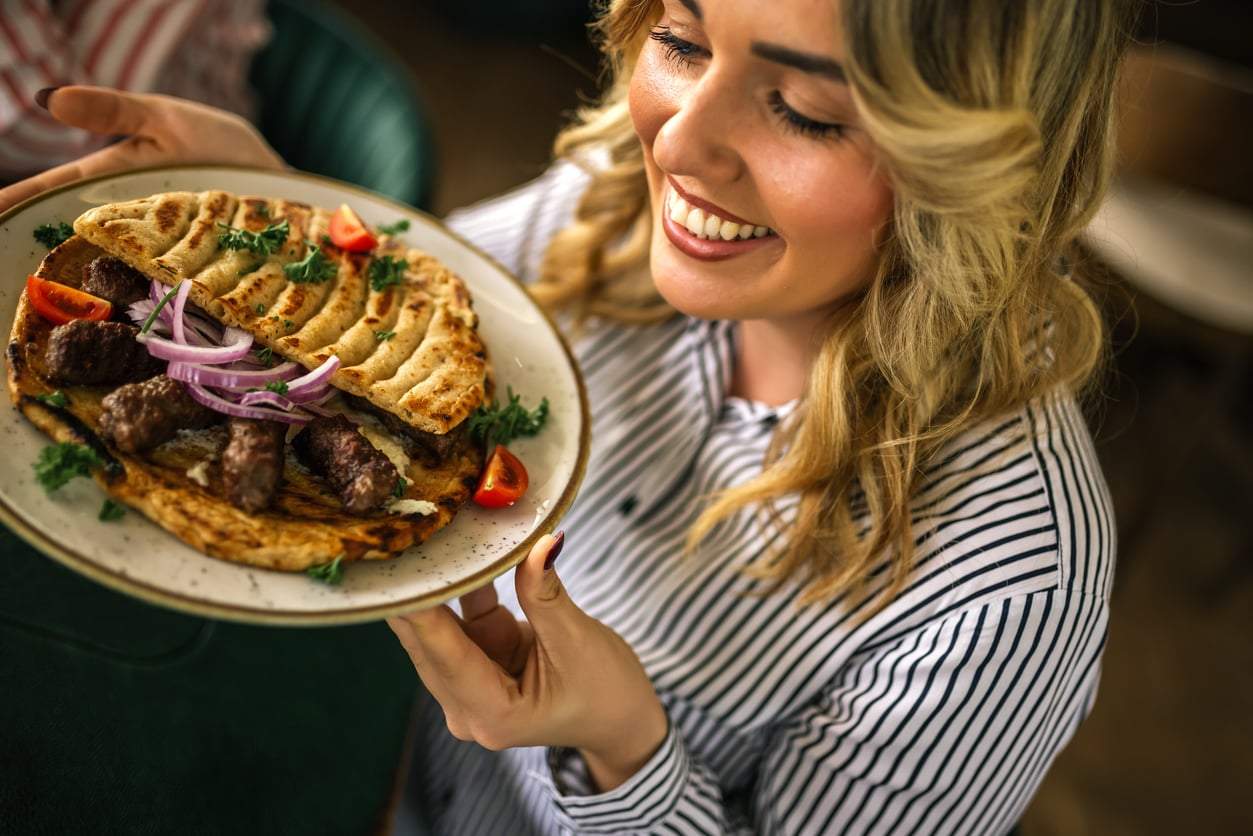
Forty-two percent choose sandwiches when they don’t have time to cook, 37% opt for fast food, and 33% prefer microwave meals. This shows quick fixes often win over nutritious, quality options.
Although 78% say healthy eating is important, 19% admit to eating fast food at least once a day. This trend is also visible in Hungary, where fast food chains and pre-packaged meals are increasingly popular, especially among young people and busy workers.
More Barriers to Healthy Eating
One of the biggest obstacles to healthy eating is rising prices, according to the study. Forty-one percent named financial strain as their main challenge, while 26% pointed to lack of time. Another 19% struggle to find quality ingredients or feel unsure about what to cook or choose.
This last point resonates locally too: many complain that fresh, quality ingredients are expensive or simply unavailable nearby. Cooking healthy meals without routine takes time, which can discourage people from regularly cooking at home.
Is there a solution? The survey also revealed that 74% would be interested in healthier eating if it were more convenient. This means many understand the importance of a healthy diet but still face practical challenges putting it into action.
Here in Hungary, demand is growing for quick, healthy alternatives that don’t take much time but still nourish. This is a positive direction: making healthy eating easier could be key to reducing reliance on fast food and processed meals.