Some places demand that you earn them. The long-haul flights, the choppy sea crossings, the roads that barely deserve the name — all of it fades the moment you arrive somewhere truly untouched. No signal. No crowds. Just the world as it was before we got too busy to notice it.
Christopher Gioitta, founder and CEO of Parea Travel, puts it simply: remoteness isn't just about distance on a map. Many destinations are logistically challenging to reach — and that's precisely what makes them extraordinary.
Greg Pearson, founder and CEO of Focus Point International, goes a step further. In truly remote places, he says, it's no longer infrastructure that calls the shots — it's the weather, the wilderness, and your own resilience. These journeys don't just show you new places. They change you.
Gioitta, Pearson, and fellow travel experts shared their picks with Travel + Leisure — the nine most isolated destinations on Earth that are as awe-inspiring as they are unforgettable.
Antarctica — where the world ends and nature rules
No destination on Earth is quite as remote or as pristine as Antarctica. It's the only continent with no permanent human population, and getting there means battling extreme weather and some of the most unforgiving seas on the planet.
Expedition expert Kevin Jackson considers Antarctica the gold standard of remote travel. Most visitors arrive by ship; others fly in from South America to bypass the notoriously rough Drake Passage entirely.
The journey is long and expensive — but the reward is unlike anything else. Towering blue icebergs, penguin colonies stretching to the horizon, humpback whales breaching in silence. It's the kind of quiet that the modern world has almost entirely forgotten how to offer.
Ladakh, India — the hidden world of the Himalayas
Often called "Little Tibet," Ladakh earns that nickname effortlessly. Snow-capped peaks, Buddhist monasteries clinging to cliffsides, and turquoise mountain lakes create a landscape that feels closer to another world than another country.
Greg Pearson highlights altitude as one of Ladakh's defining challenges. Much of the region sits above 3,300 metres, making acclimatisation essential. Travellers frequently underestimate how quickly the weather — or their own body — can turn on them up here.
The regional hub is Leh, a base for exploring ancient monasteries and dramatic mountain passes. Ladakh is not just visually stunning — it's a deeply spiritual experience that stays with you long after you've returned home.
Bwindi Impenetrable Forest, Uganda — face to face with mountain gorillas
Bwindi Impenetrable National Park shelters one of the world's most ancient ecosystems — and nearly half of the entire mountain gorilla population on Earth. This is as wild and as vital as wilderness gets.
Travel expert Luca Franco describes gorilla trekking here as more than just an activity. It's a moment of reckoning — a reminder of nature's raw power and fragility, experienced up close and on nature's own terms.
Permits are required and numbers are strictly limited. Experienced guides lead small groups through dense jungle, and the trek can be physically demanding. But when a gorilla family appears just metres away, nothing else matters.
Torres del Paine, Chile — the wild beauty of Patagonia
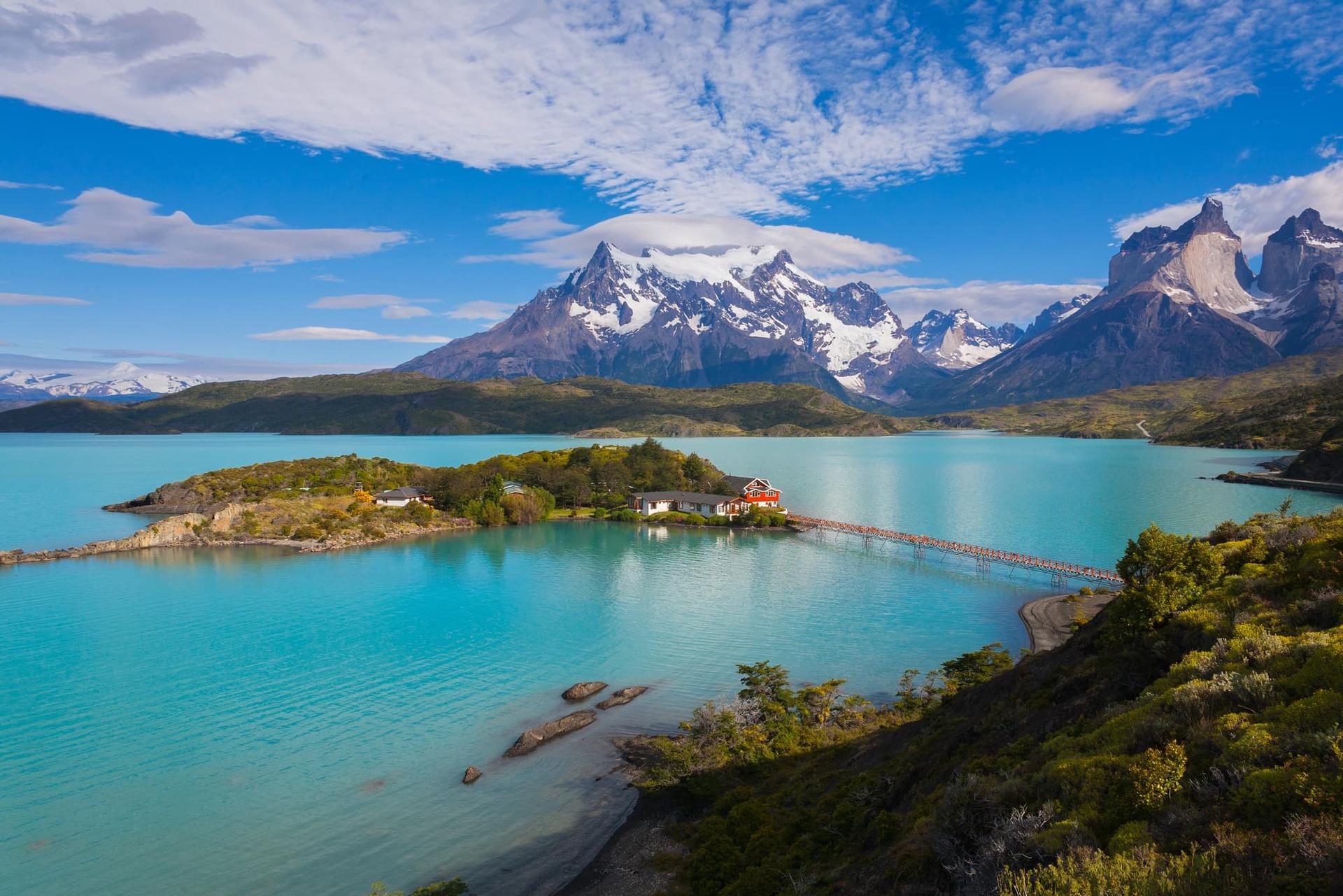
Torres del Paine National Park is one of the world's great hiking destinations — and one of its most dramatic. Granite spires, glacial lakes in impossible shades of turquoise, and weather that shifts from sunshine to storm in minutes create a landscape that feels almost theatrical.
Greg Pearson is direct about Patagonia: nature makes the rules here. Winds can be ferocious, trails can become dangerous with little warning, and the sheer scale of the wilderness can feel humbling even to seasoned travellers.
The payoff? Pumas padding across open ground, Andean condors riding thermals overhead, and guanacos grazing against a backdrop of peaks that look like they were designed for a film set.
Wrangell-St. Elias National Park, Alaska — America's last true wilderness
The largest national park in the United States, Wrangell-St. Elias is a place of staggering scale. Vast glaciers, untouched mountain ranges, and a silence so complete it can feel disorienting to those used to city life.
Kevin Jackson says this is one of the few places in the world where the feeling of true isolation is completely real. Some sections of the park are only accessible by bush plane — small aircraft that can land on gravel bars and open tundra deep in the wilderness.
In summer, the midnight sun and blooming tundra transform the landscape into something extraordinary. Civilisation doesn't just feel far away here — it genuinely is.
Easter Island, Chile — the mystery of the moai
Rapa Nui is one of the most famous and most isolated islands on Earth. This volcanic speck in the middle of the Pacific Ocean sits more than 3,200 kilometres from the nearest coastline of South America — making it one of the most remote inhabited places anywhere on the planet.
The island's legendary moai statues — carved by the indigenous Rapanui people centuries ago — have made it world-famous. Because the journey is so long, many travellers combine a visit with a broader trip through Chile.
Easter Island is mystical, spiritual, and strikingly beautiful in a way that photographs simply cannot capture. You have to stand in front of those stone giants yourself to understand what all the fuss is about.
Norfolk Island, Australia — a time warp in the South Pacific
A tiny island in the southern Pacific, Norfolk Island carries a layered and sometimes dark history — it once served as a British penal colony. Today, its historical ruins and rugged coastline make it one of the region's most quietly compelling destinations.
Christopher Gioitta notes that Norfolk Island's isolation is very real: only a handful of flights arrive each week, and sea conditions are frequently unpredictable. Getting here takes genuine commitment.
Visitors find dramatic sea cliffs, rare bird species found nowhere else on Earth, and a pace of life so unhurried it feels like the rest of the world agreed to leave this place alone.
Skeleton Coast, Namibia — where the desert meets the ocean
The name alone should tell you something. Along Namibia's Skeleton Coast, the Namib Desert collides with the Atlantic Ocean in a landscape dominated by shipwrecks, rolling fog banks, and endless sand dunes. It is one of the most hauntingly beautiful places on Earth.
Greg Pearson calls it one of the rawest and most dramatic landscapes in the world. Infrastructure is minimal, distances are vast, and conditions can shift without warning. This is not a destination for the unprepared.
Most visitors explore the region through organised safari or fly-in tours. Those who make the effort are rewarded with seal colonies, desert-adapted elephants, and a silence so profound it borders on the surreal.
Mystery Island, Vanuatu — an uninhabited paradise in the Pacific
The name alone sets the imagination running. Mystery Island is part of the Vanuatu archipelago in the South Pacific — and its defining characteristic is that nobody lives here. No hotels, no infrastructure, no noise.
Christopher Gioitta says most visitors arrive by cruise ship, and many describe stepping ashore as feeling like walking onto the set of a castaway film — except it's completely real.
White sand, swaying palms, and water in a shade of turquoise that seems almost digitally enhanced. Mystery Island is the rare place that actually lives up to the fantasy of an untouched tropical paradise.
Why more of us are craving the truly remote
The world's most isolated destinations aren't about comfort or convenience. They're about stepping away from the relentless noise of being permanently online — and remembering what it feels like to be somewhere that doesn't care about your notifications.
That's probably why these trips become the ones we never stop talking about. They don't just show us new corners of the world. They show us something about ourselves that the everyday tends to keep hidden.